In Berlin, elected residents take part in running the former Tempelhof airport
“
The last planes left Tempelhof at the end of October 2008. Six years later, Berliners adopted by referendum a law that preserves the airfield’s 303 hectares. Since 2016, a committee of elected citizens, the Feldkoordination, has met every month in public with the city administration and the park’s manager to follow and steer how the site changes.
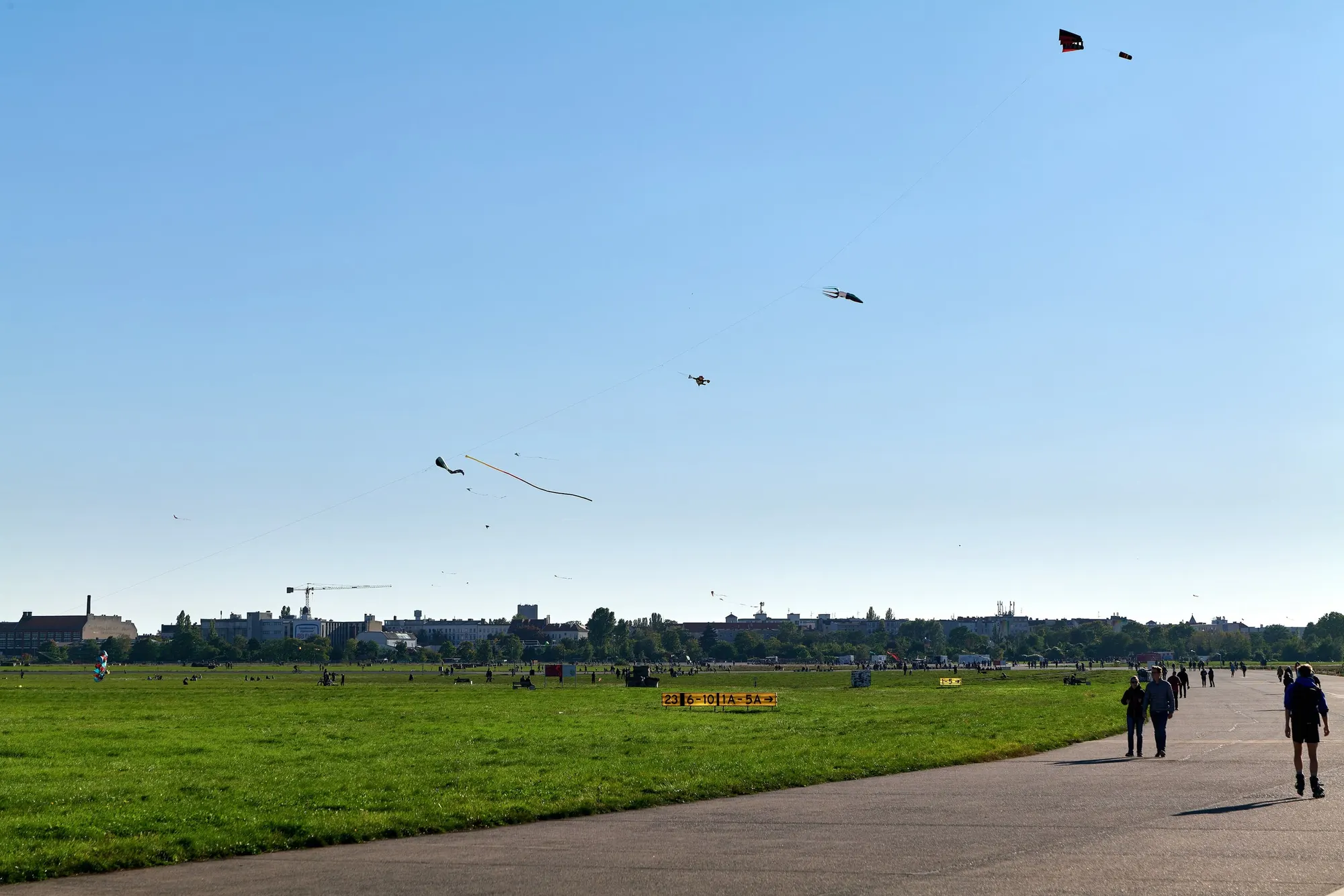
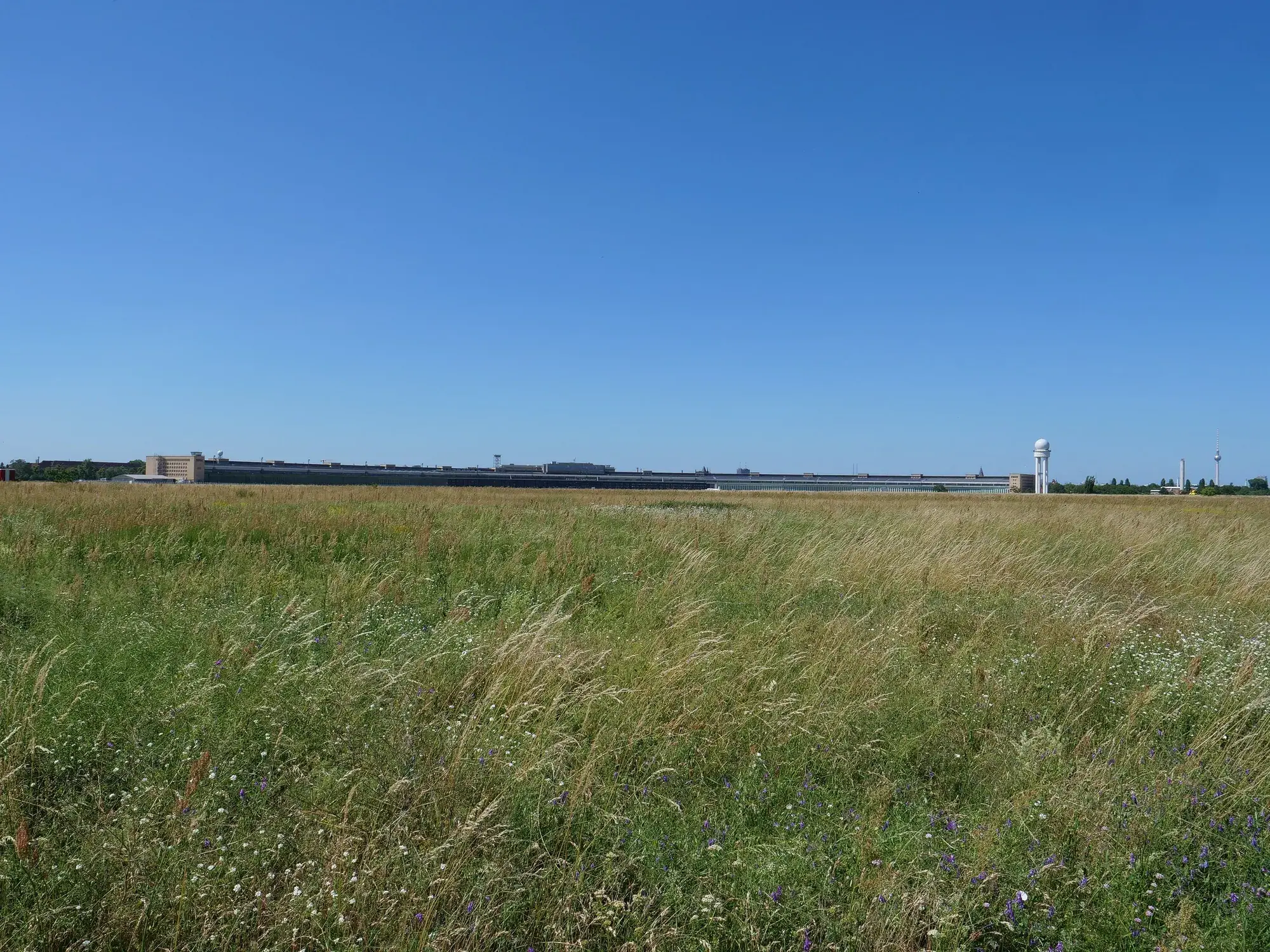
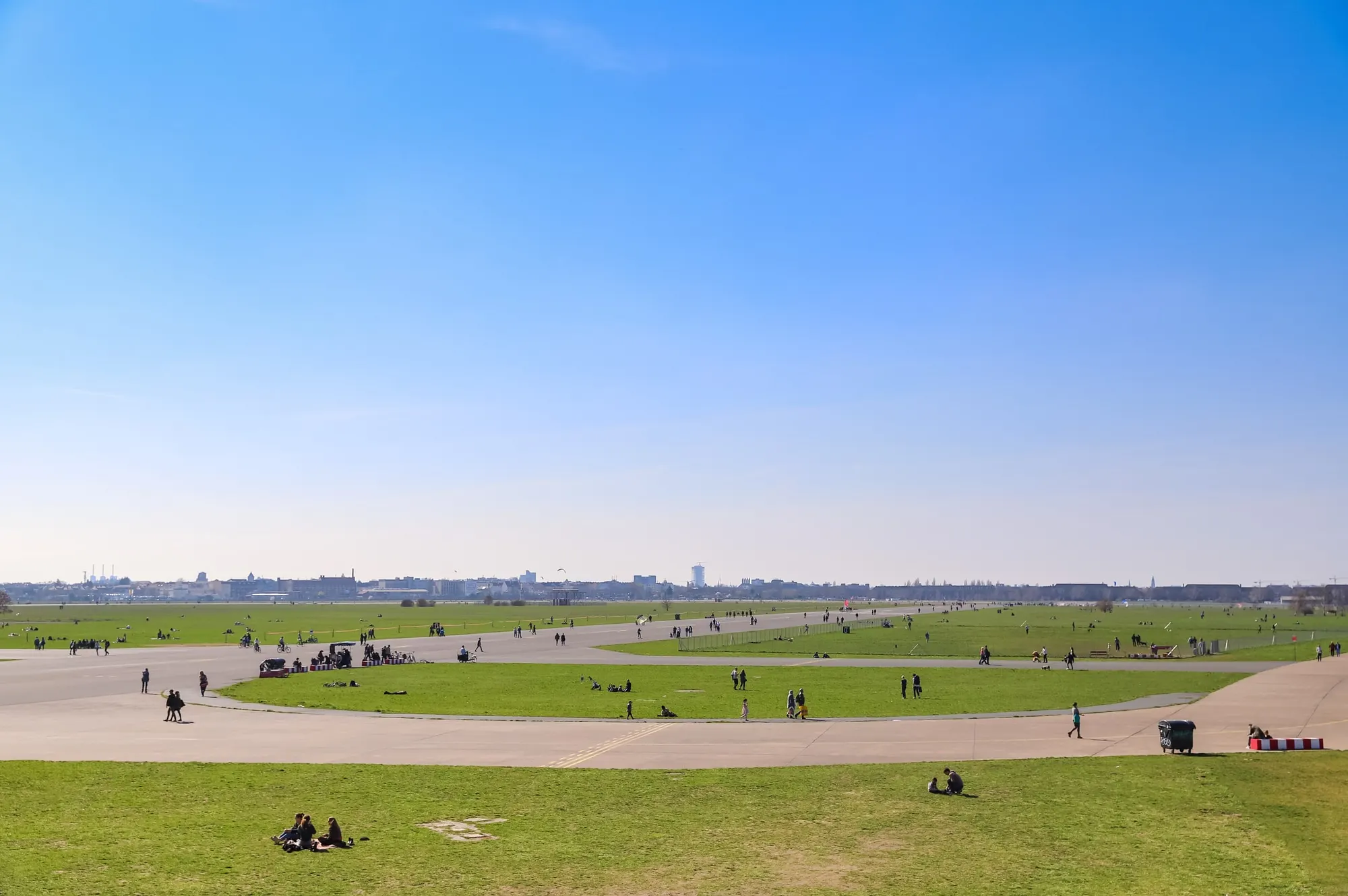
The field opened to the public in 2010, two years after the airport closed, and the state of Berlin handed its upkeep to its company Grün Berlin. On the old runways people skate, cycle or kiteboard; in the meadows they picnic or watch birds. From 2011, residents set up artistic, gardening and social projects there. One question has divided the city ever since: should the edges of the field be built on?
A citizens’ initiative gathered enough signatures to put its own law to the vote. On 25 May 2014, the day of the European elections, 64.3% of valid votes approved it, or 29.7% of registered voters, above Berlin’s 25% quorum. The counter-proposal put forward by the Berlin parliament on the same day was rejected. The law on preserving Tempelhofer Feld came into force in June 2014: it rules out new buildings on the field and provides for managing it with residents’ participation.
Writing that participation took two years. The development and maintenance plan, drafted with residents, was adopted by the Senate in May 2016. It rests on three bodies. The Feldforum, open to everyone, meets at least once a year and votes on recommendations. The Feldkoordination has ten citizens elected for three years by the Feldforum, three of them substitutes, two representatives of the administration in charge of nature and two from Grün Berlin. It meets monthly in public session and works by consensus. Thematic workshops then take up the files one by one.

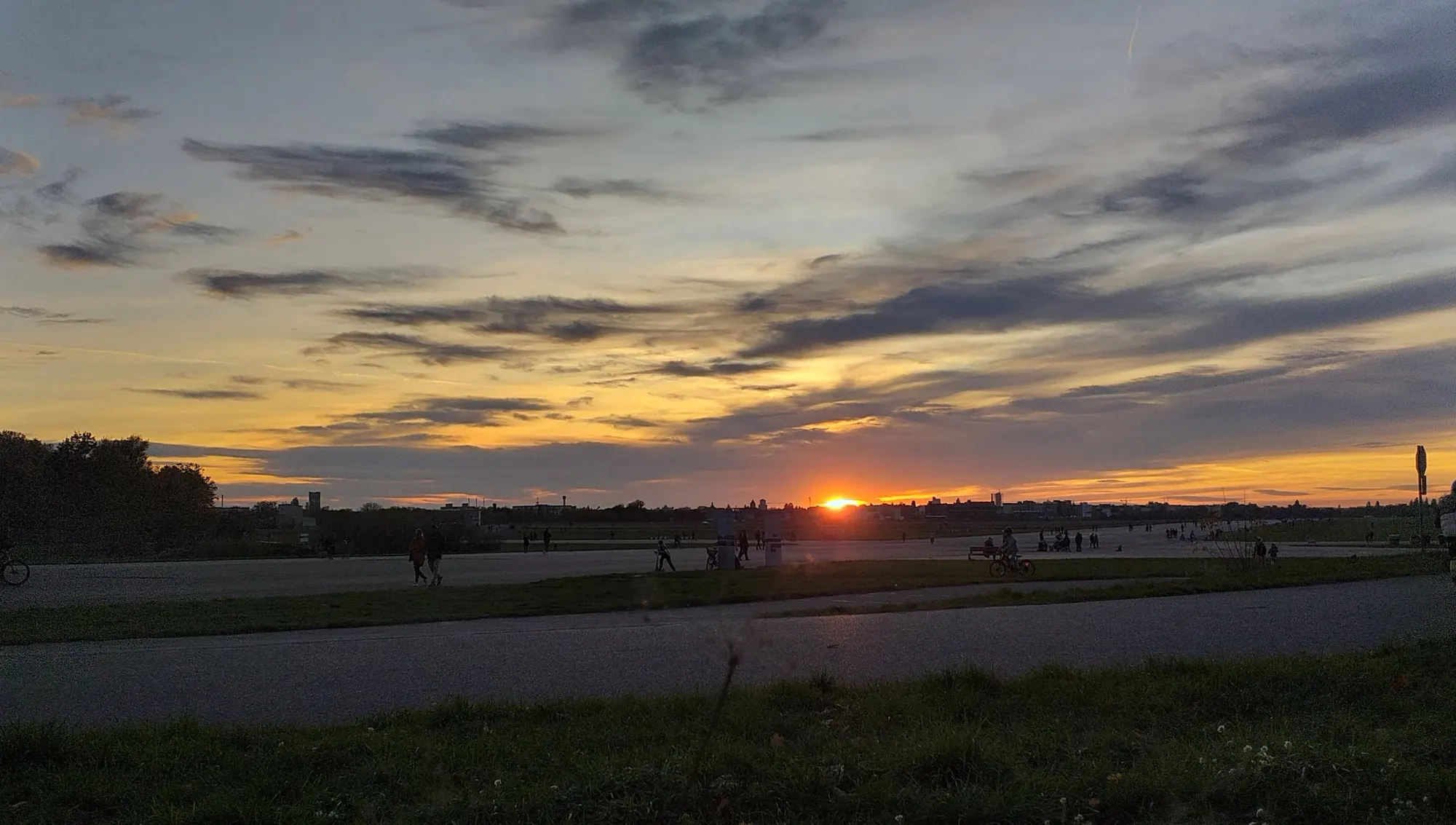
The model has its limits. In October 2025, the fourth Feldkoordination election, open to all Berliners over 16, drew 14 candidates and 290 voters. Members are volunteers, and one of them, Jule Hanske, acknowledged in 2023 that everything moves more slowly than she would like. Nor has the housing question gone away. In 2024 the Senate wrote to 20,000 Berliners drawn by lot to form dialogue workshops of up to 275 people over three weekends, with no power to decide whether to build. Their recommendations fed an international ideas competition: 164 entries, six joint winners. On the dialogue website, one participant, Benjamin, comes away with mixed feelings, having hoped for sensible construction and affordable housing.
For a team, Tempelhof is a case of shared governance of a commons. The Feldkoordination’s monthly sessions are public, on registration with its office; some take place in the field’s information pavilion. The Feldforum of 12 September 2026, in the Cabuwazi circus tent, focused mainly on nature protection and the Tempelhofer Damm area, and voted on eight recommendations. The park’s calendar offers guided tours on nature and urban ecology, and the field hosts 26 volunteer projects. According to the poster marking ten years of the law, about 200,000 people come each week and the field holds 227 skylark territories, half of Berlin’s total.
A law adopted by referendum on 25 May 2014, with 64.3% of valid votes, preserves the 303 hectares of the former Tempelhof airport and rules out new buildings there. Since 2016, ten elected citizens have sat with the administration and Grün Berlin on the Feldkoordination, which meets monthly in public. The field receives about 200,000 visits a week and holds 227 skylark territories, half of Berlin’s total.
Photos: dronepicr, Wikimedia Commons (CC BY 2.0: 1) ; Leonhard Lenz, Wikimedia Commons (CC0: 2 3 5) ; Jana Weinholtz, Wikimedia Commons (CC BY-SA 4.0: 4).
Would you like to meet these people with your team? in:Expeditions designs tailor-made learning expeditions around places like this one.
 Or design it yourself with Agent A\lex →What is a learning expedition? →Learning expedition: Berlin, the Impossible is Temporary →