aspern Seestadt builds a town on Vienna’s old airfield
“
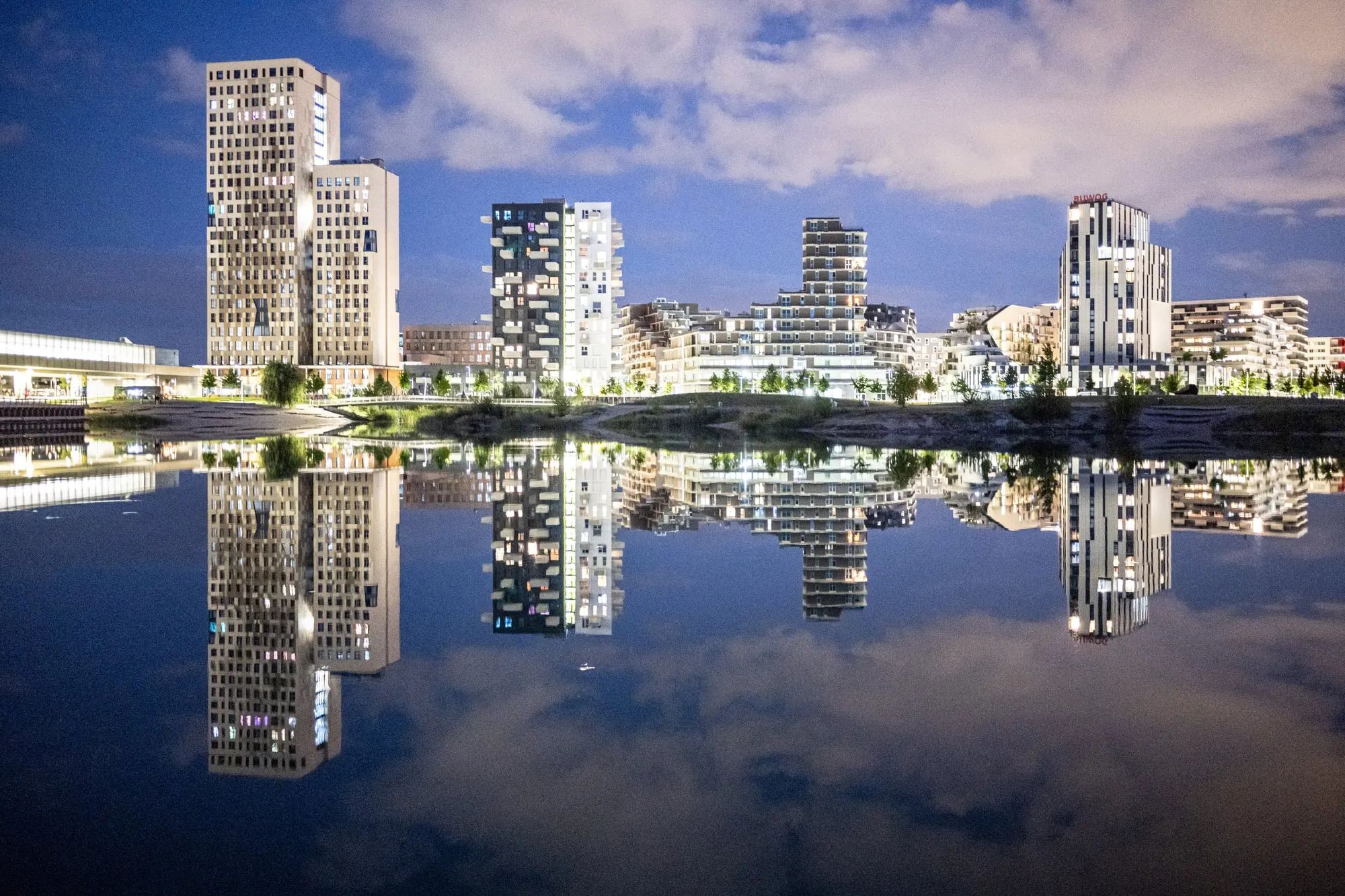
In the north-east of Vienna, on the former Aspern airfield, the city has been building a district for more than 25,000 residents and 20,000 jobs since 2010. Over 12,000 people already live there. The concrete of the old runways has become the concrete of the streets, and the earth dug out for the lake at its centre was reused as building material on site.
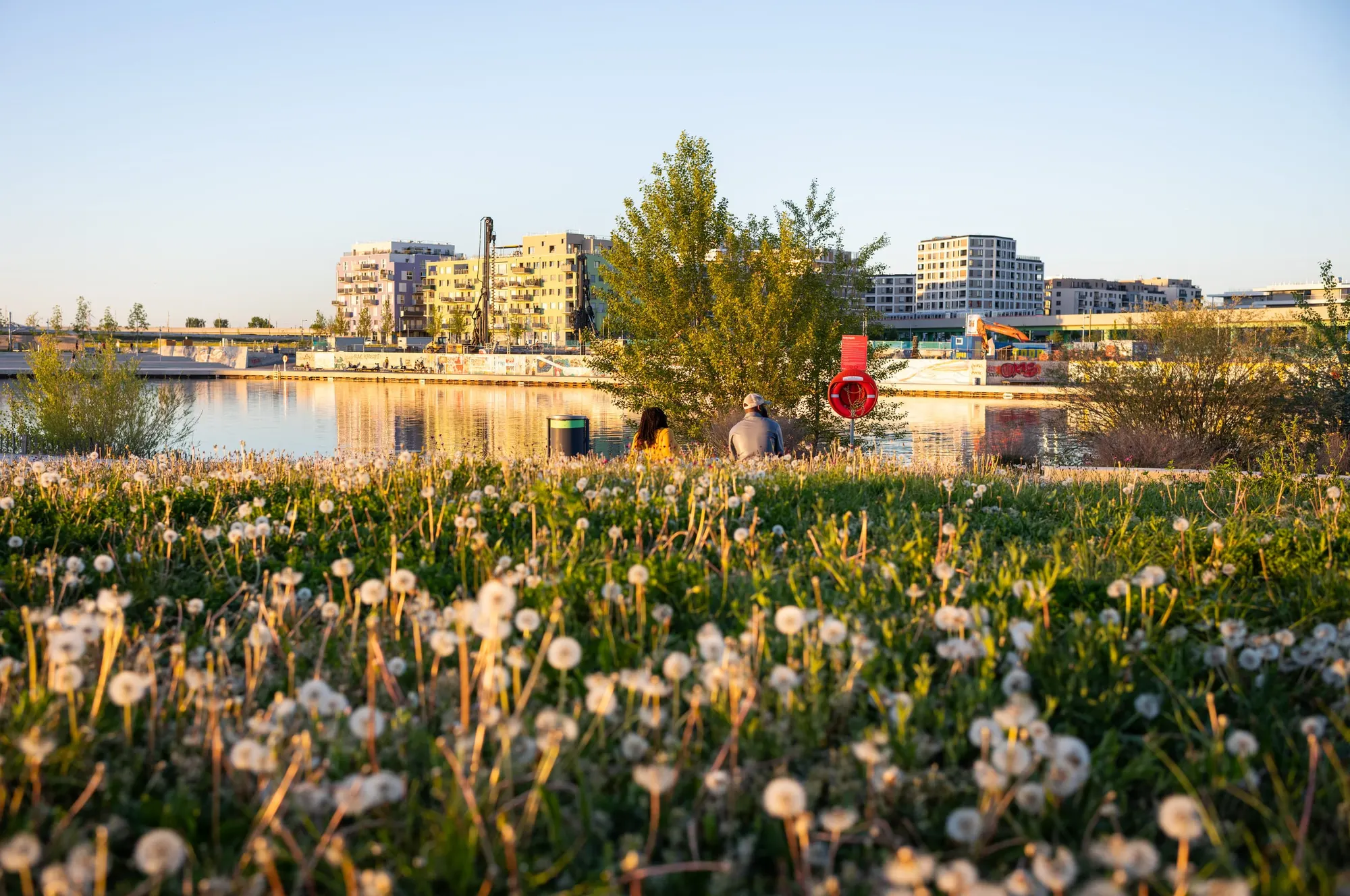
Aspern airfield, opened in 1912, saw its last plane take off on 30 April 1977. The district replacing it follows a masterplan adopted in 2007 and has been rising since 2010, on 240 hectares, half of which stays open space. The development company Wien 3420 aspern Development AG runs the project. When work ends, in the 2030s, aspern Seestadt is due to have more than 11,500 homes, over 25,000 residents and over 20,000 jobs and training places. In June 2026, more than 12,000 people lived there, in some 5,000 homes, and over 600 companies employed more than 6,000 people.
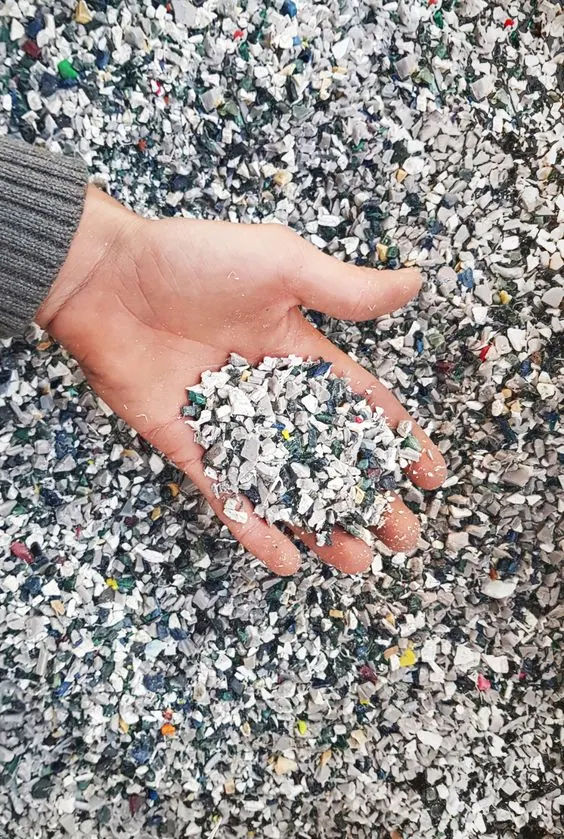
The building site recycles what it finds. The concrete of the airfield’s old runways was recycled to build the roads and paths. The 5-hectare lake dug at the centre of the district left about 600,000 tonnes of spoil, processed at the site’s logistics centre to be used as building material on the spot. According to the development company, this short loop had avoided 7.95 million lorry kilometres and about 8,990 tonnes of CO2 by the end of August 2026. Each resident now uses 65 m² of land, against about 121.6 m² on average in Vienna.
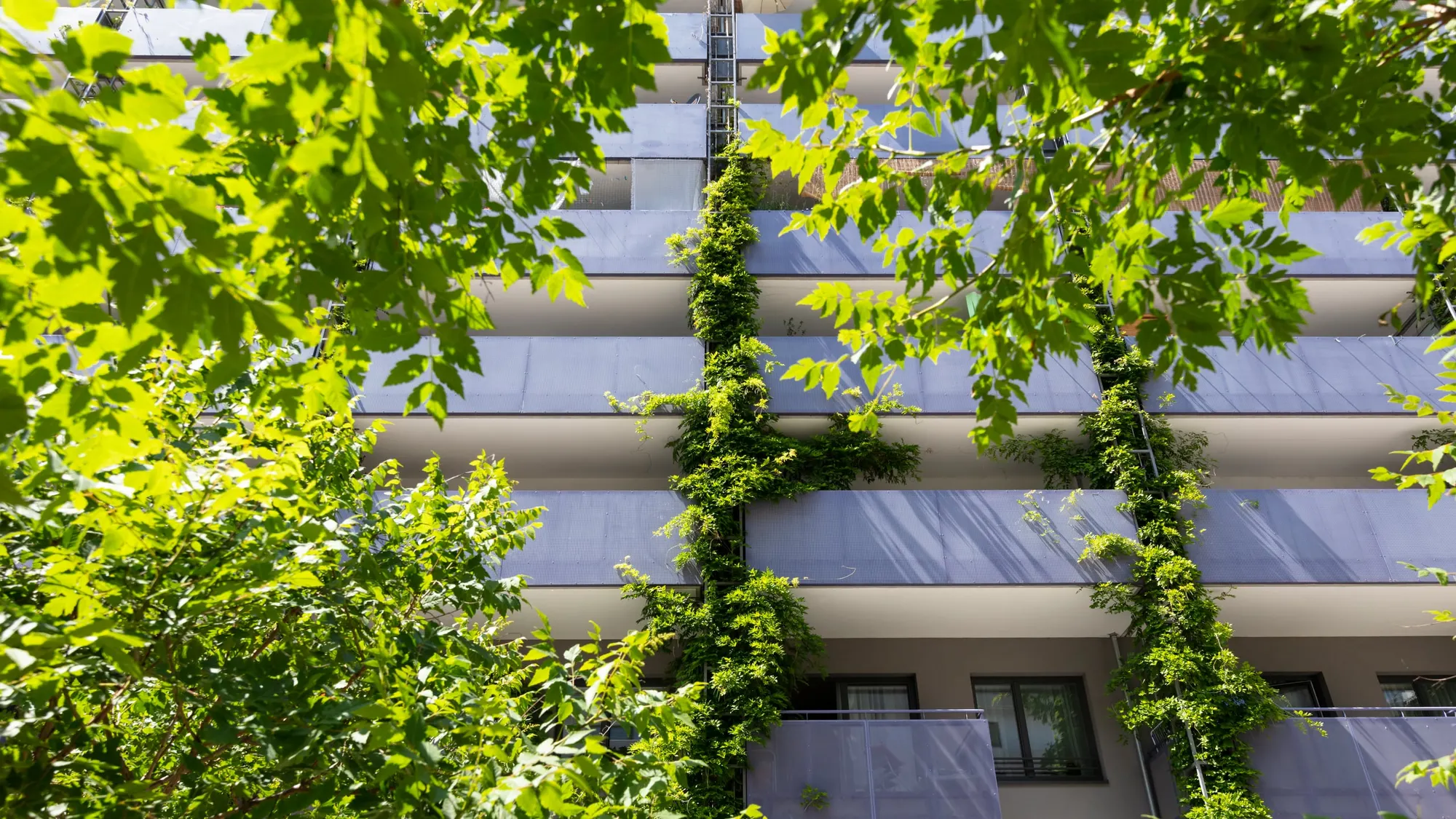
Rainwater stays in the district. In the Am Seebogen quarter, the Seestadt used the sponge city principle for the first time: rainwater runs into gravel basins linked underground instead of the sewers, and the street trees draw on it. Their roots have more room, and they are expected to live longer and give more shade than ordinary street trees. Eventually two thirds of the district will manage their rainwater this way. Every building must score 800 points out of 1,000 on the scale of the Austrian Sustainable Building Council (ÖGNB), up from 750 at the start.

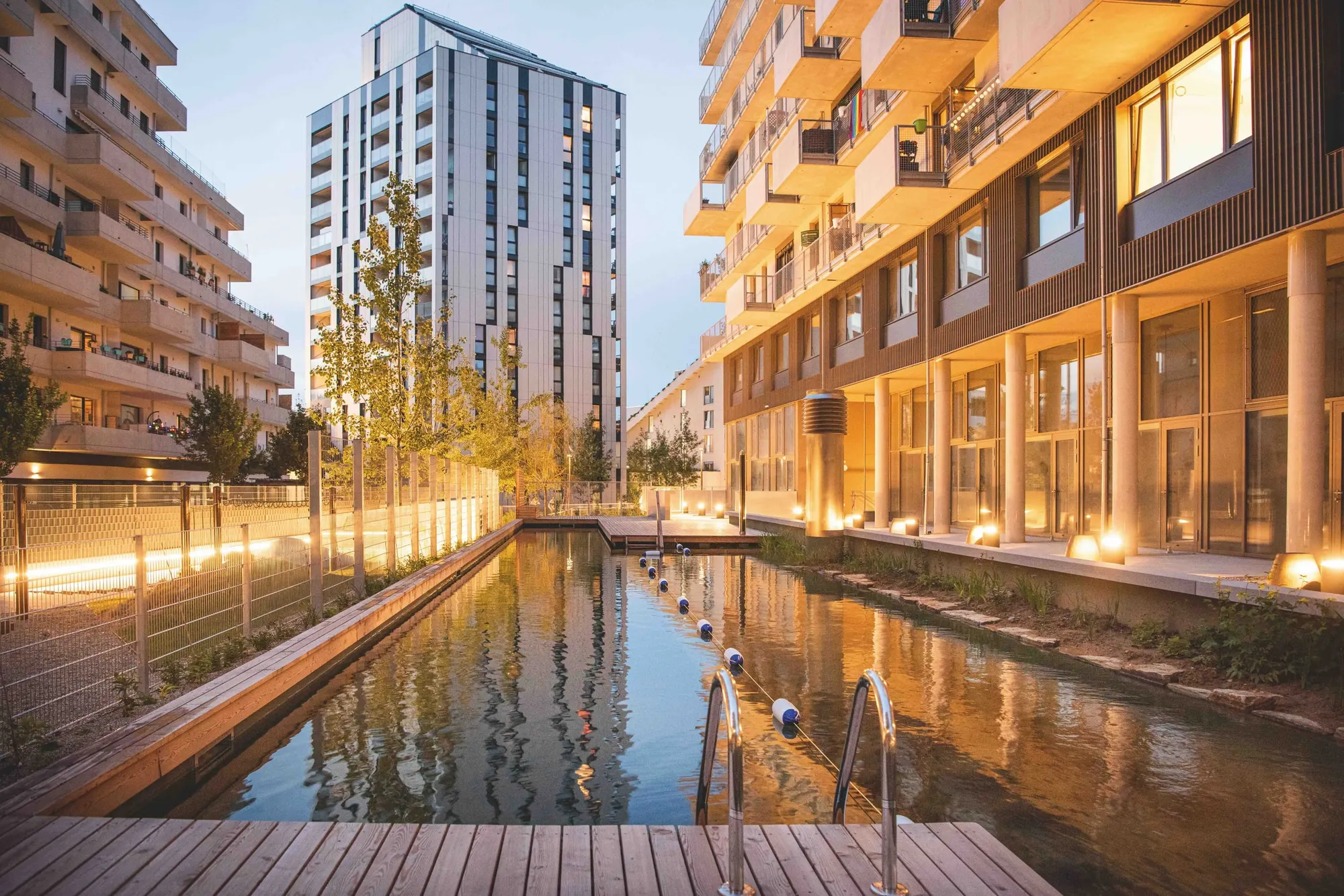
People get around mostly without cars. The U2 metro line has served the district since October 2013; trips are 46.6% on foot or by bike, 31.7% by public transport and 21.7% by car, and the district has 242 private cars per 1,000 residents. Work follows the homes: a 7,500 m² Gewerbehof has housed craft businesses and small manufacturers since late 2022, and the social enterprise wienwork employs almost 500 people in the district. In September 2026 the development company put four plots up for sale for about 400 homes, each with a set theme, including the circular townhouse and housing for all generations.
Wien 3420 offers groups free guided tours, Monday to Friday between 9 am and 2 pm, by appointment, lasting about 90 minutes and in English on request; they are booked by email or through a form. The information point on Wangari-Maathai-Platz has a free exhibition on the district’s history and future. Some 10,000 visitors come each year, from over fifty countries.
On the former Aspern airfield, Vienna has been building a 240-hectare district for more than 25,000 residents since 2010, half of it open space. The runway concrete and 600,000 tonnes of lake spoil were reused on site, avoiding 7.95 million lorry kilometres. 78% of trips are made without a car.
Photos: © Luiza Puiu, aspern Seestadt / Wien 3420 (1 3 4 5) ; © Daniel Hawelka, aspern Seestadt / Wien 3420 (2).
Would you like to meet these people with your team? in:Expeditions designs tailor-made learning expeditions around places like this one.
 Or design it yourself with Agent A\lex →What is a learning expedition? →Learning expedition: Vienna, the landlord city →