Zollverein opens its coking plant, station by station
“
The Zollverein colliery in Essen closed on 23 December 1986, its coking plant in 1993. On 20 September 2026 the foundation that runs the site opened the last two stations of the coking plant trail: visitors now walk seven metres up, through cut-open ovens where 10,000 tonnes of coal were baked every day.
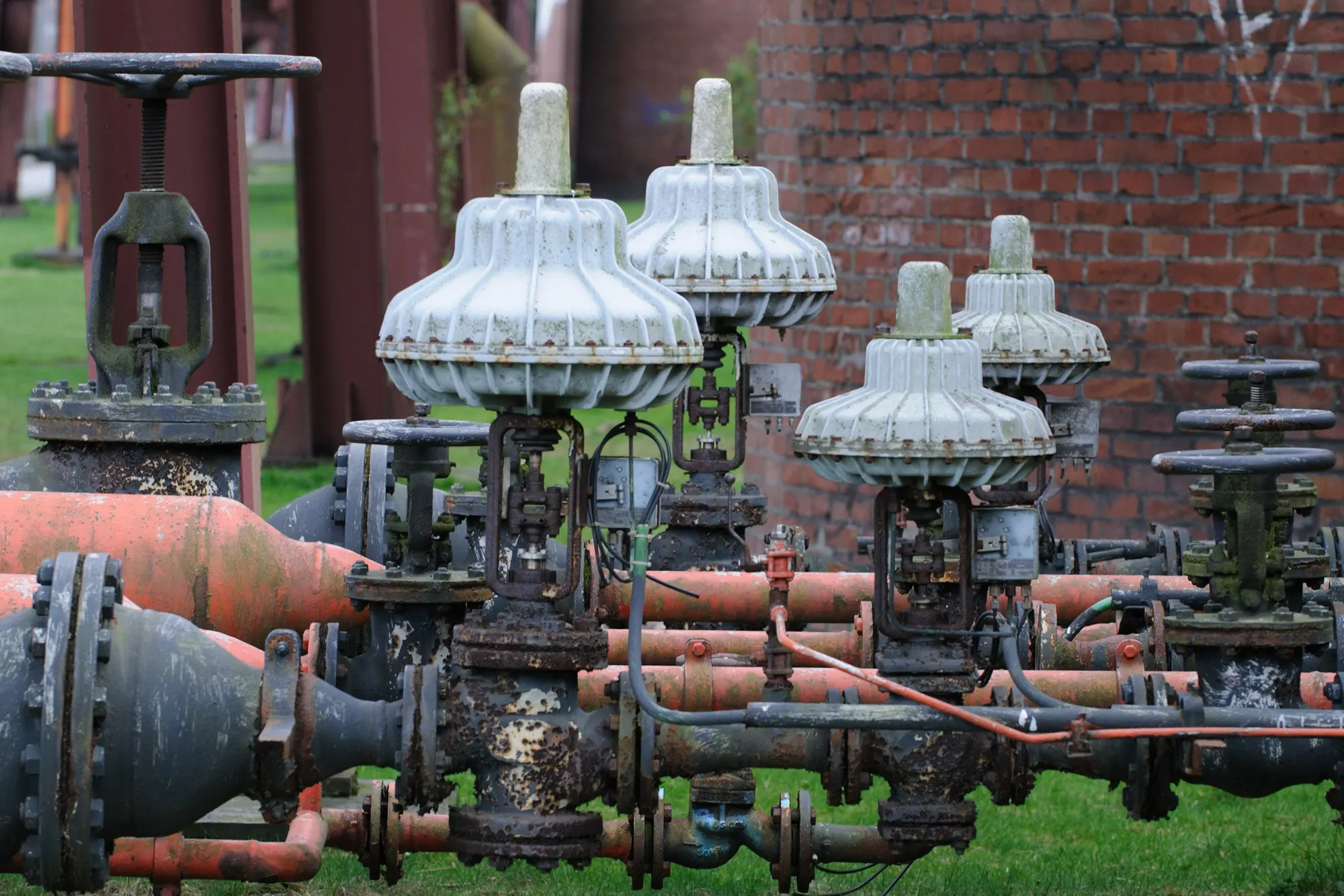
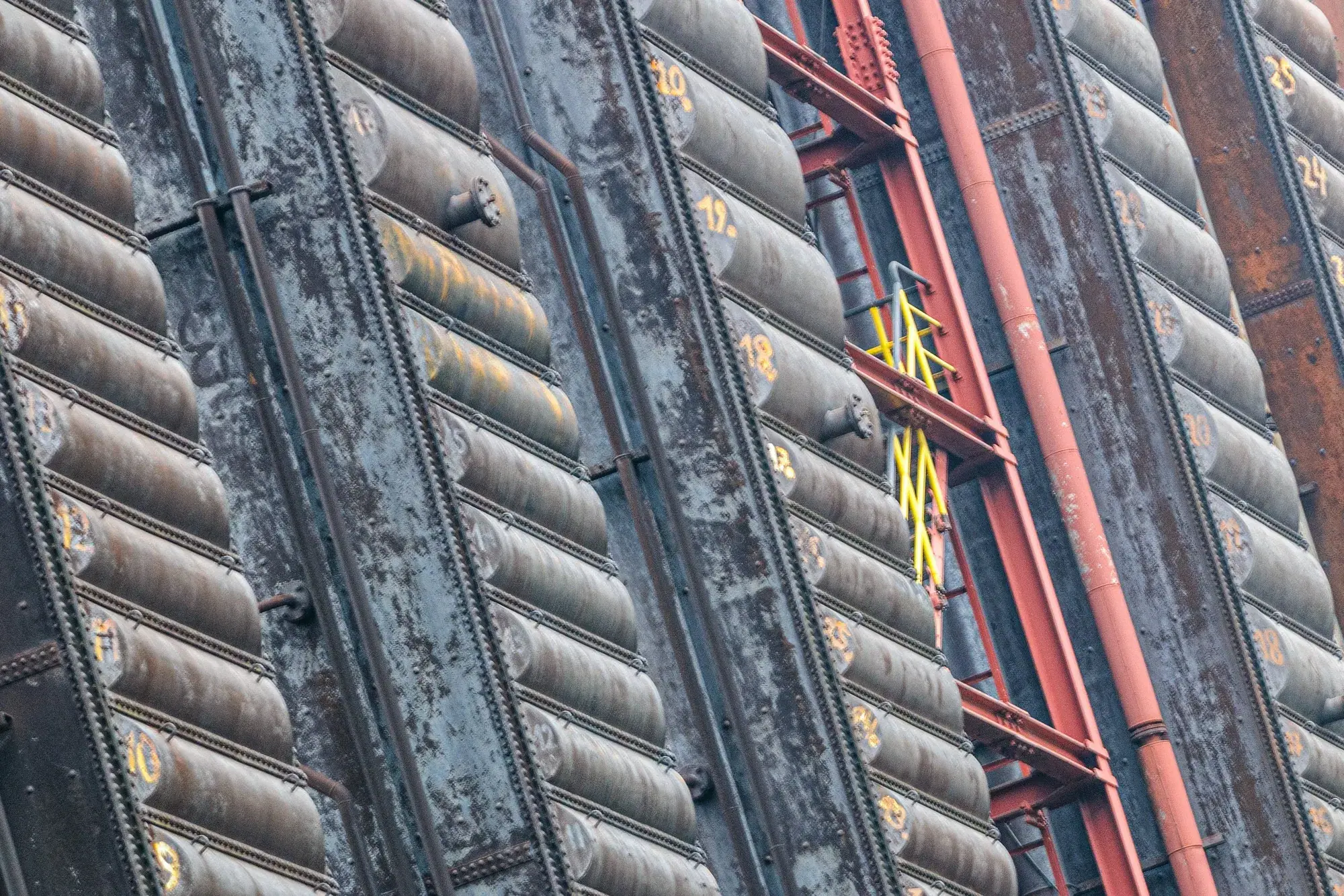
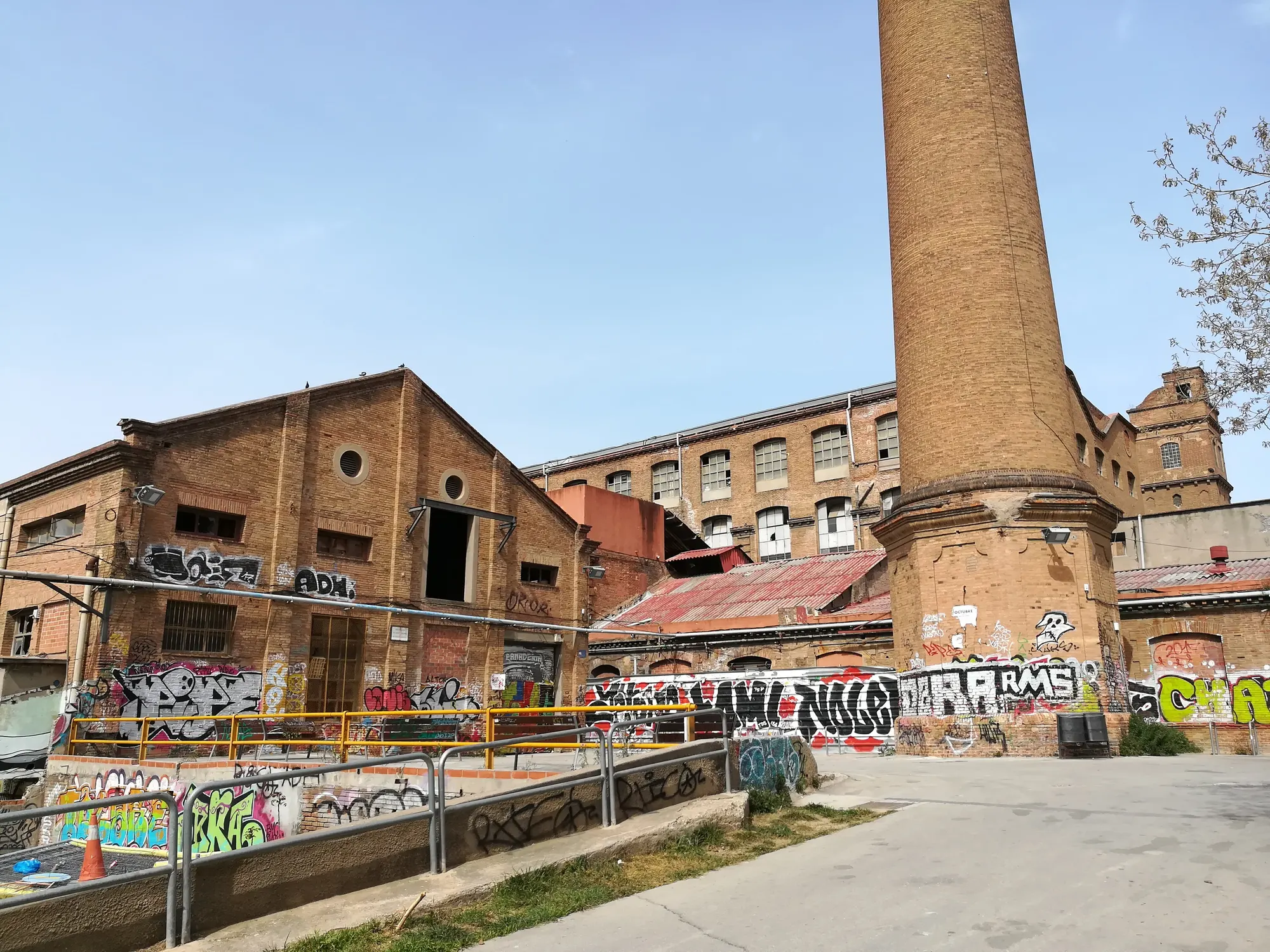
Zollverein was the last of some 290 collieries in Essen, once the largest mining city in Europe. Between 1847 and 1986 up to 8,000 miners worked there in shifts, and 240 million tonnes of coal came out of it. Shaft XII, opened in 1932 to plans by Fritz Schupp and Martin Kremmer, was considered the most productive mine in the world. Its first buildings were protected even before the closure, and a ministerial decree listed Shaft XII in December 1986. The coking plant, built from 1957 to 1961 in the same style, and Shaft 1/2/8 were listed in turn before the World Heritage inscription. UNESCO added the complex to the World Heritage List on 14 December 2001.
Keeping 100 hectares of installations was not enough: they needed a use. Refurbishment began in 1989 under IBA Emscher Park, a programme of the state of North Rhine-Westphalia that ran until 1999. In 1998 the City of Essen and the state set up the non-profit Zollverein Foundation, which owns the surface buildings. In 2002 the architect Rem Koolhaas and OMA drew up the master plan that still governs every project. The site has 96 buildings, more than 200 plants and machines, 2.7 km of conveyor bridges and 13.2 km of pipes. The Ruhr Museum has occupied the former coal washing plant since 2010, the design faculty of the Folkwang University of the Arts teaches there, about sixty creative companies are based on the site and more than 70 in the Triple Z start-up centre at Shaft 4/5/11.
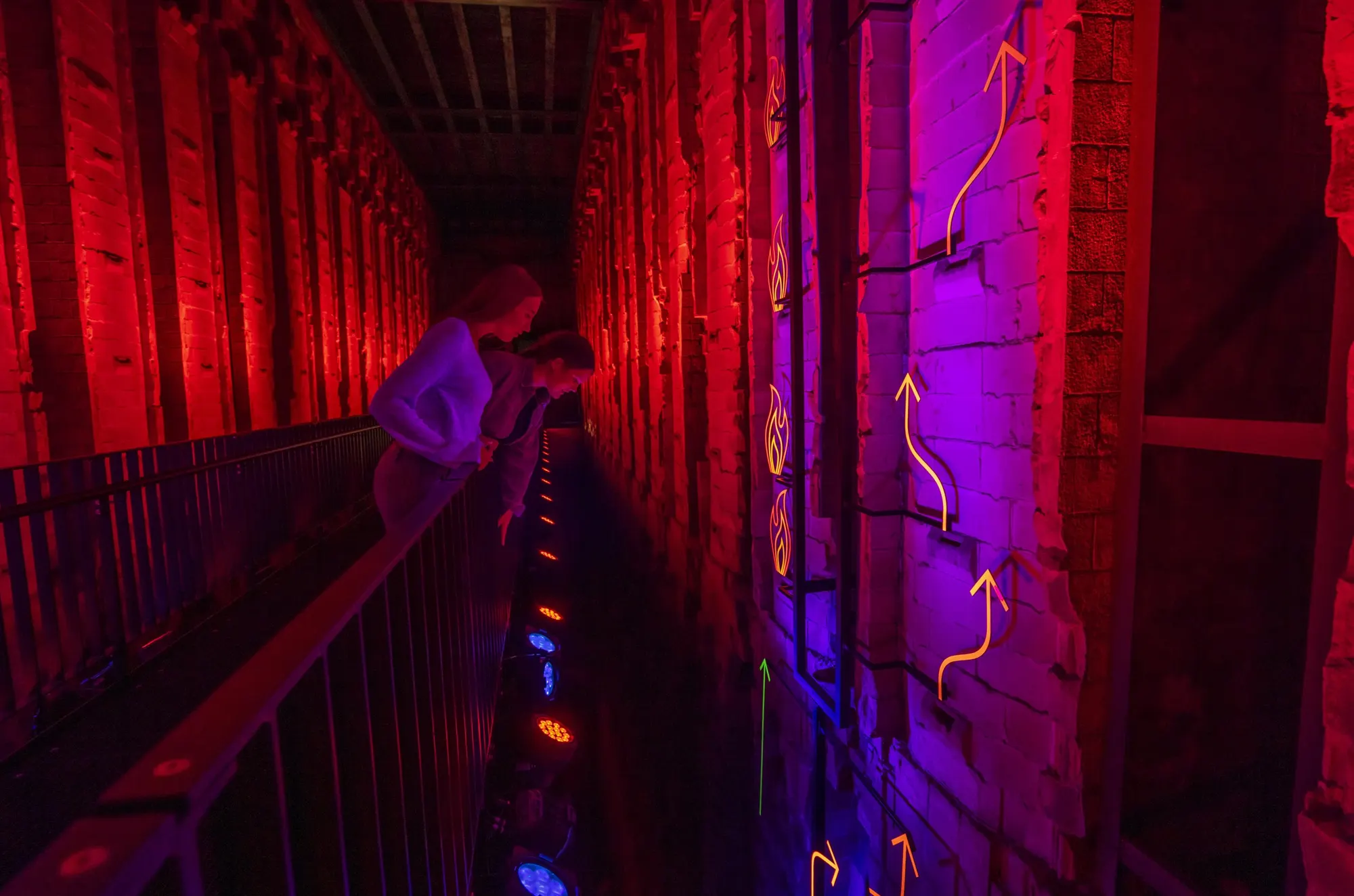
The coking plant was the largest central coking plant in Europe: 304 ovens heated to around 1,250 °C turned about 10,000 tonnes of coal into 8,600 tonnes of coke every day. The foundation describes it as the only coking plant fully preserved in its original state and permanently open to the public. To explain how it worked, it opened ten stations over six years, from “Löschen” (quenching) in 2020 to “Umweltschutz” (environmental protection) and “Beheizen” (heating) on 20 September 2026. In “Beheizen” a walkway of about thirty metres crosses the cut-open ovens of battery 9, and a light installation traces the path of flames and flue gases. The exhibition design is by jangled nerves, the architecture by New Architekten of Cologne.

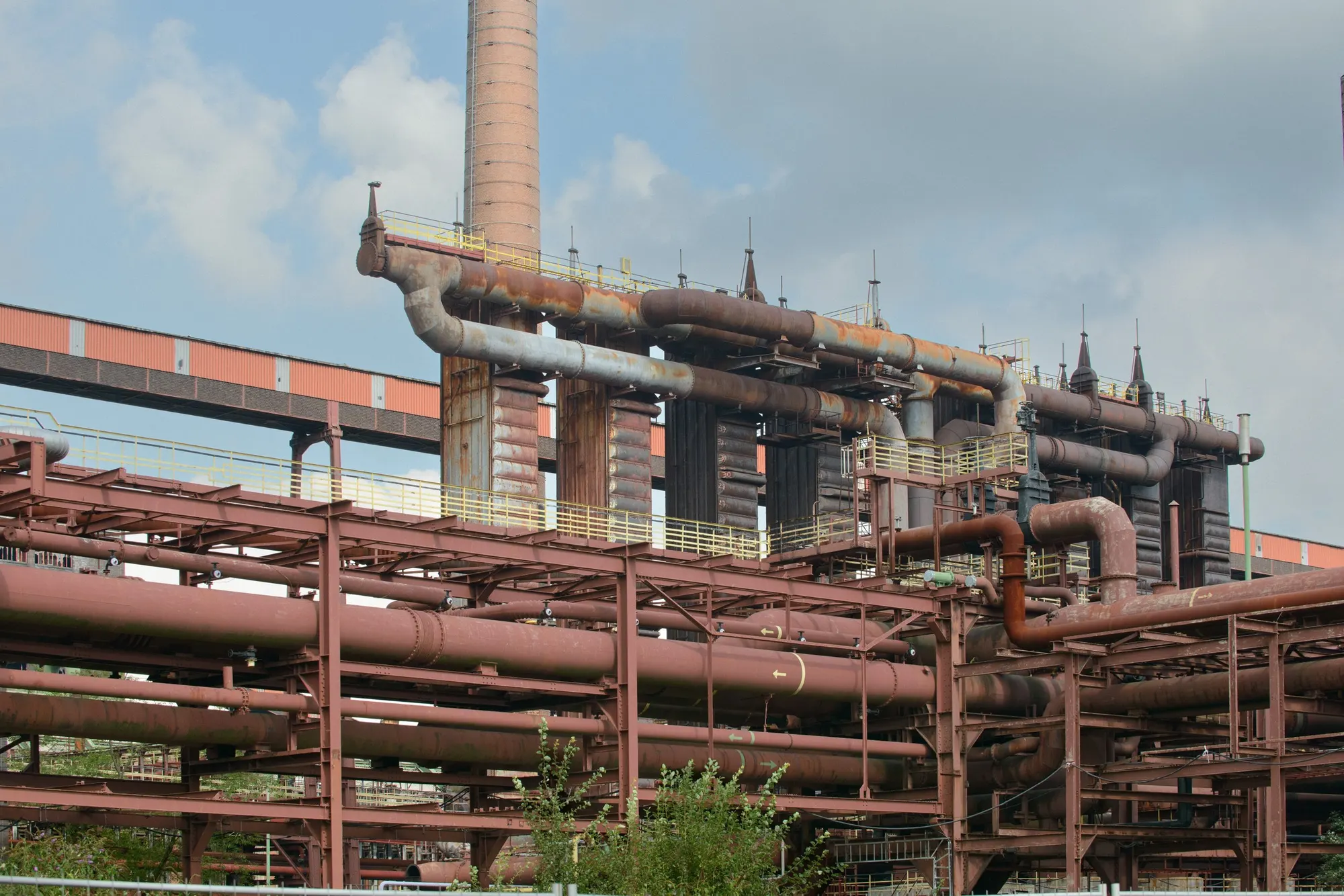
The “Umweltschutz” station tells the conflict that came with production. The coking plant started in 1961, just as air pollution in the Ruhr became a public issue. Archive films, quotes and emission data show the tensions between the plant, its neighbours and tightening standards, then the techniques that cut emissions over the decades; a smell station recreates, with no harmful substance, an odour of the coking plant. Funding comes from the RAG Foundation as main sponsor, the Landschaftsverband Rheinland, the NRW Foundation, the Friends of Zollverein association and the opta data foundation. Stefanie Reichart, member of the foundation’s executive board, wants the trail to cover the coke workers’ working conditions as much as the technology.
Zollverein receives about 1.7 million visits a year and has more than forty rooms for seminars and conferences. Guided tours can be booked for a group on a date of its choice through the visitor service (besucherdienst@zollverein.de, +49 201 246810): the coking plant tour “Von Kohle, Koks und harter Arbeit”, the “Zukunftsstandort Zollverein” tour on the site’s conversion, the English tour “On Coal and Miners”, or a ride around the site with a former miner or coke worker. In 2026 a private combined tour of the colliery starts at 200 euros for up to twenty people. For a team working on an industrial conversion, the site shows on the ground the trade-offs between conservation, new uses and funding, forty years after the closure.
Closed in 1986, the Zollverein colliery was listed the same year and became a World Heritage Site in 2001. The foundation set up in 1998 by the City of Essen and the state welcomes about 1.7 million visits a year, some sixty creative companies and more than 70 start-ups. The coking plant trail, completed on 20 September 2026, has ten stations opened over six years.
Photos: © Jochen Tack, im Auftrag der Stiftung Zollverein, Stiftung Zollverein / Jochen Tack (1) ; Freddo213, Wikimedia Commons (CC BY 4.0: 2 3 4 5).
Would you like to meet these people with your team? in:Expeditions designs tailor-made learning expeditions around places like this one.
 Or design it yourself with Agent A\lex →What is a learning expedition? →