La Bordeta takes over Can Batlló
“
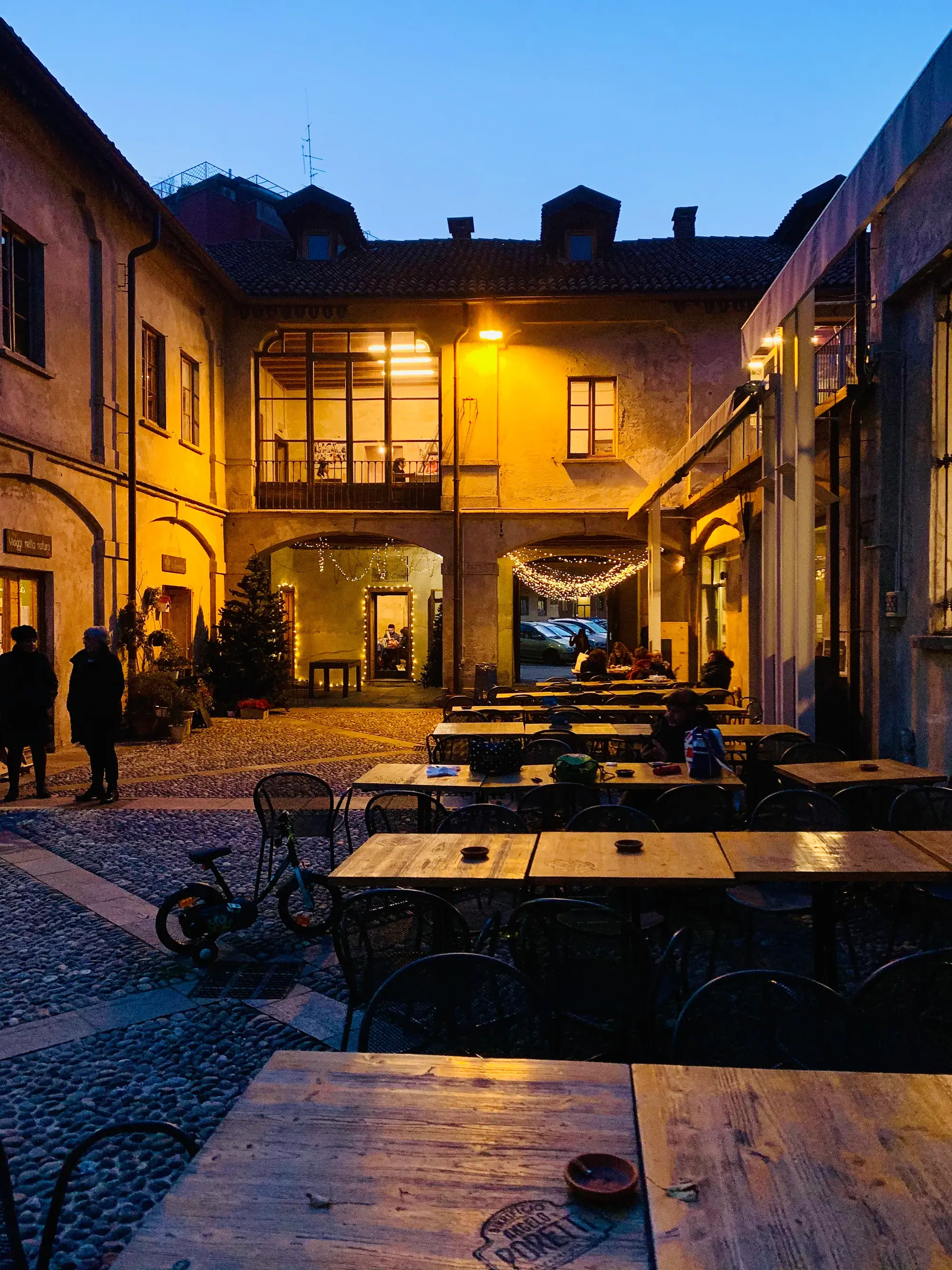
In 1976 Barcelona’s master plan promised the La Bordeta neighbourhood a park and public facilities on the site of the old Can Batlló textile mill. Thirty-five years later nothing had happened. The neighbours set a date: on 11 June 2011 they would go in. A few days before, the city handed them a first building. Today they run more than 13,000 m².
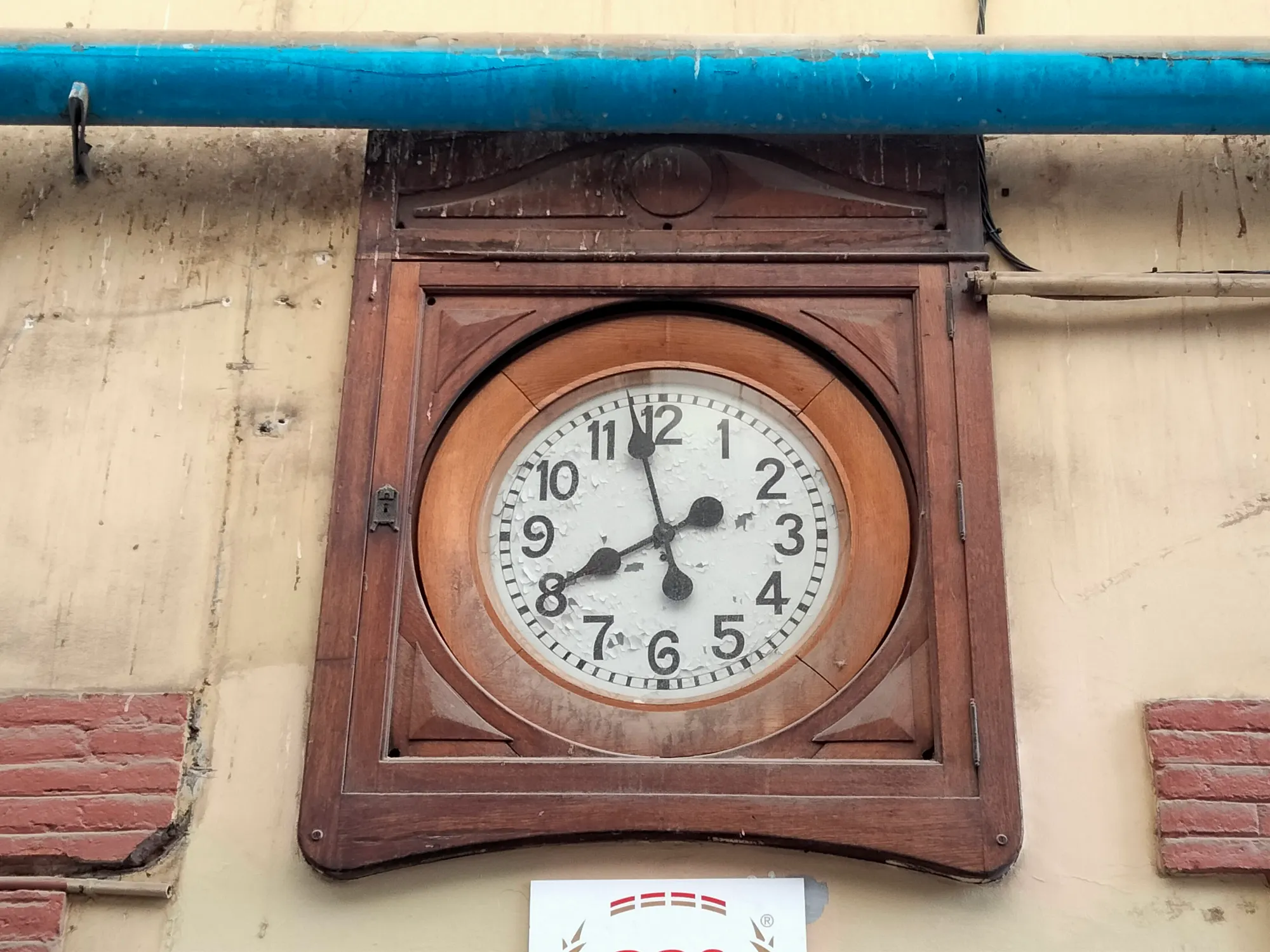
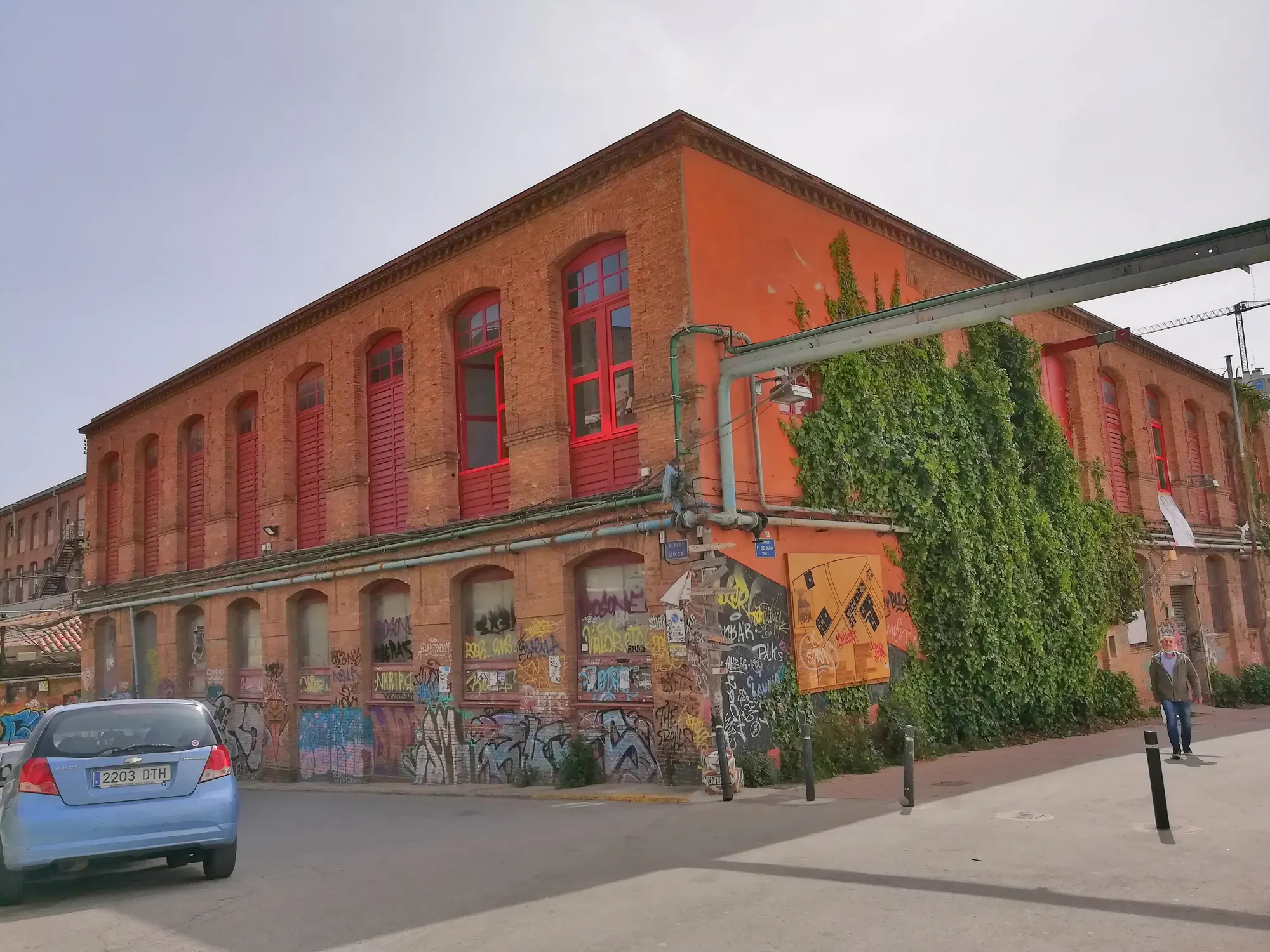
In 1878 the industrialist Joan Batlló bought land in La Bordeta, in today’s Sants-Montjuïc district, along the Infanta canal. He built a mill where raw cotton went in and dyed cloth came out, with every stage of textile making on site. Thousands of local people worked there. In 1976 the metropolitan master plan set the site aside for a park and neighbourhood facilities. Deadline after deadline passed without action.
In 2009 the platform “Can Batlló és pel barri” (Can Batlló belongs to the neighbourhood) revived the campaign and issued an ultimatum: if the diggers were not on site by June 2011, residents would go in themselves. The district councillor laughed, the platform recalls. The countdown rallied associations and neighbours just as the 15-M movement was occupying the city’s squares. Less than a week before the deadline, the city handed over one building, the Bloc Onze. On 11 June 2011, “there were about 2,500 people, the whole neighbourhood, and people were crying,” recalls Josep Maria Domingo, president of the Sants Social Centre.
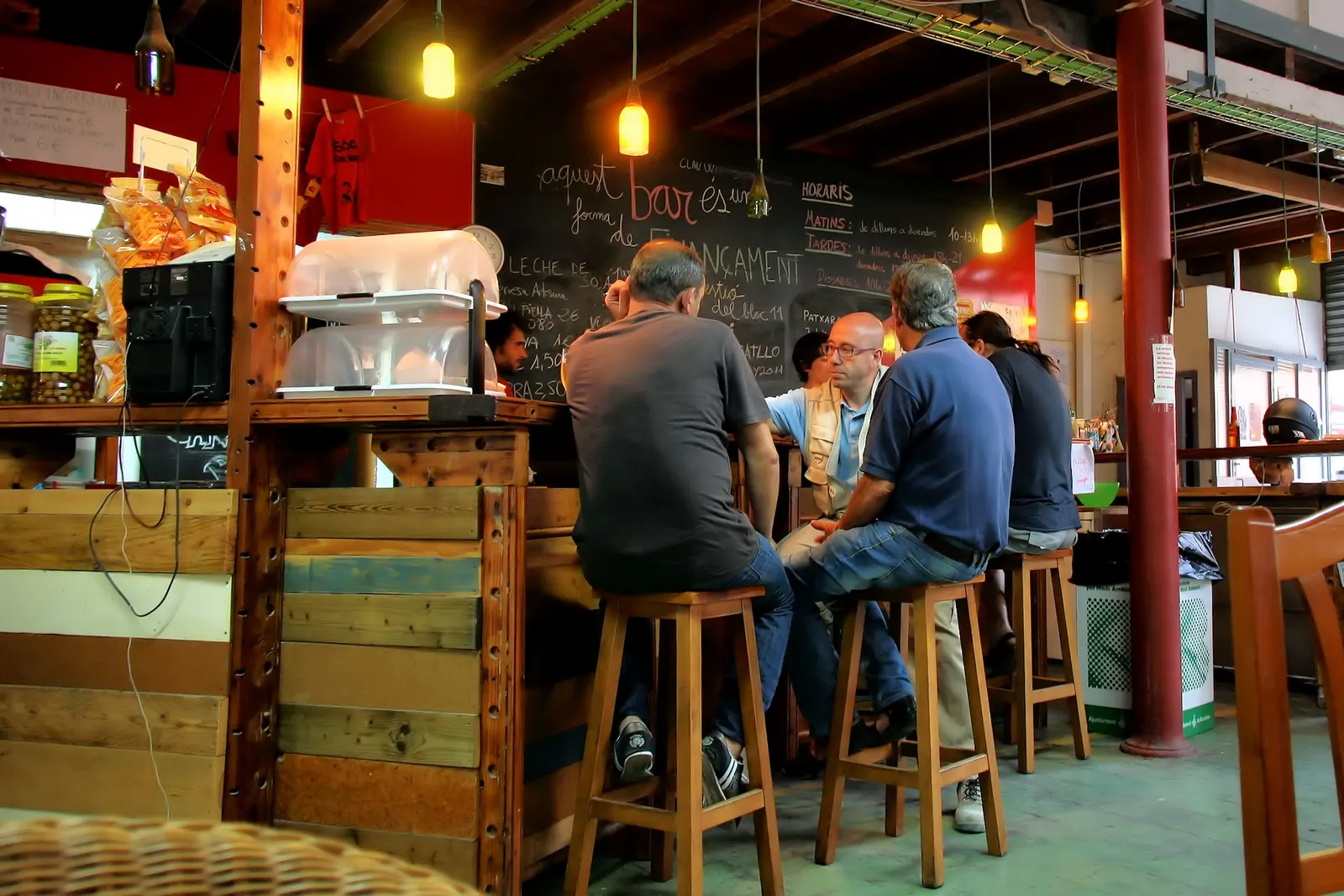
The Bloc Onze was full of rubbish, with no water or electricity. Restoring it through collective work days took more than two years. The Josep Pons people’s library opened first, stocked with donated books, more than 15,000 by 2013. A bar, an auditorium, a climbing wall and workshop rooms followed. In April 2013 the campaign “In spring, we knock down the wall” won the partial demolition of the perimeter wall, and the street that now crosses the site is called carrer Onze de Juny de 2011.

More buildings followed: a carpentry shop, a collective print shop, a documentation centre, a family space, and 300 m² of shared vegetable and flower gardens. On municipal land granted for 75 years, the La Borda cooperative built 28 homes held in right of use, designed by the architects’ cooperative Lacol and completed in 2018. In 2022 the building won the European Union’s Mies van der Rohe Award for emerging architecture. The cooperative incubator Coòpolis grew out of the same movement.
In December 2018 the city approved a concession of more than 13,000 m² to the association that runs the site; the agreement was signed in 2019, for fifty years according to the municipal broadcaster Betevé. The city had done its sums: providing these services itself would cost it €1.43 million a year, while it had invested only €1.1 million since 2011. In 2017, 48,000 people took part in 849 activities, with 82,185 hours of volunteer work. Residents still complain about slow progress on promised renovations: in 2020, 39 of the 42 projects were still waiting for a permanent home.
For a team, the Bloc Onze is at carrer de la Constitució 19, inside the mill grounds that border the Gran Via de les Corts Catalanes. It opens Monday to Friday in the morning and evening, and on Saturdays from noon to 9 pm. Enquiries go through the association’s secretariat.
Since 11 June 2011, the residents of La Bordeta have won the right to run more than 13,000 m² of the former mill, under a concession approved in 2018 and signed in 2019. The city estimates that providing these services itself would cost €1.43 million a year; it had invested €1.1 million between 2011 and 2018. In 2017, 849 activities drew 48,000 participants and 82,185 hours of volunteer work. The site hosts 42 projects and seven committees; the La Borda cooperative has housed 28 households there since 2018 and won the Mies van der Rohe Award for emerging architecture in 2022.
Photos: Canaan, Wikimedia Commons (CC BY-SA 4.0: 1) ; Enric, Wikimedia Commons (CC BY-SA 4.0: 2 4 5) ; Jorge Franganillo, Wikimedia Commons (CC BY 2.0: 3).
Would you like to meet these people with your team? in:Expeditions designs tailor-made learning expeditions around places like this one.
 Or design it yourself with Agent A\lex →What is a learning expedition? →Learning expedition: Catalonia, the new autonomies →