Tallinn keeps public transport free for its residents, thirteen years after the referendum
“
On 1 January 2013 Tallinn made its buses, trams and trolleybuses free for every registered resident, after a referendum in which 75% of voters said yes. The bet was also fiscal: to get thousands of people who lived in the city, but paid their income tax elsewhere, onto its register. Thirteen years later the rule still holds, although the state brought back fares on county buses in early 2024.
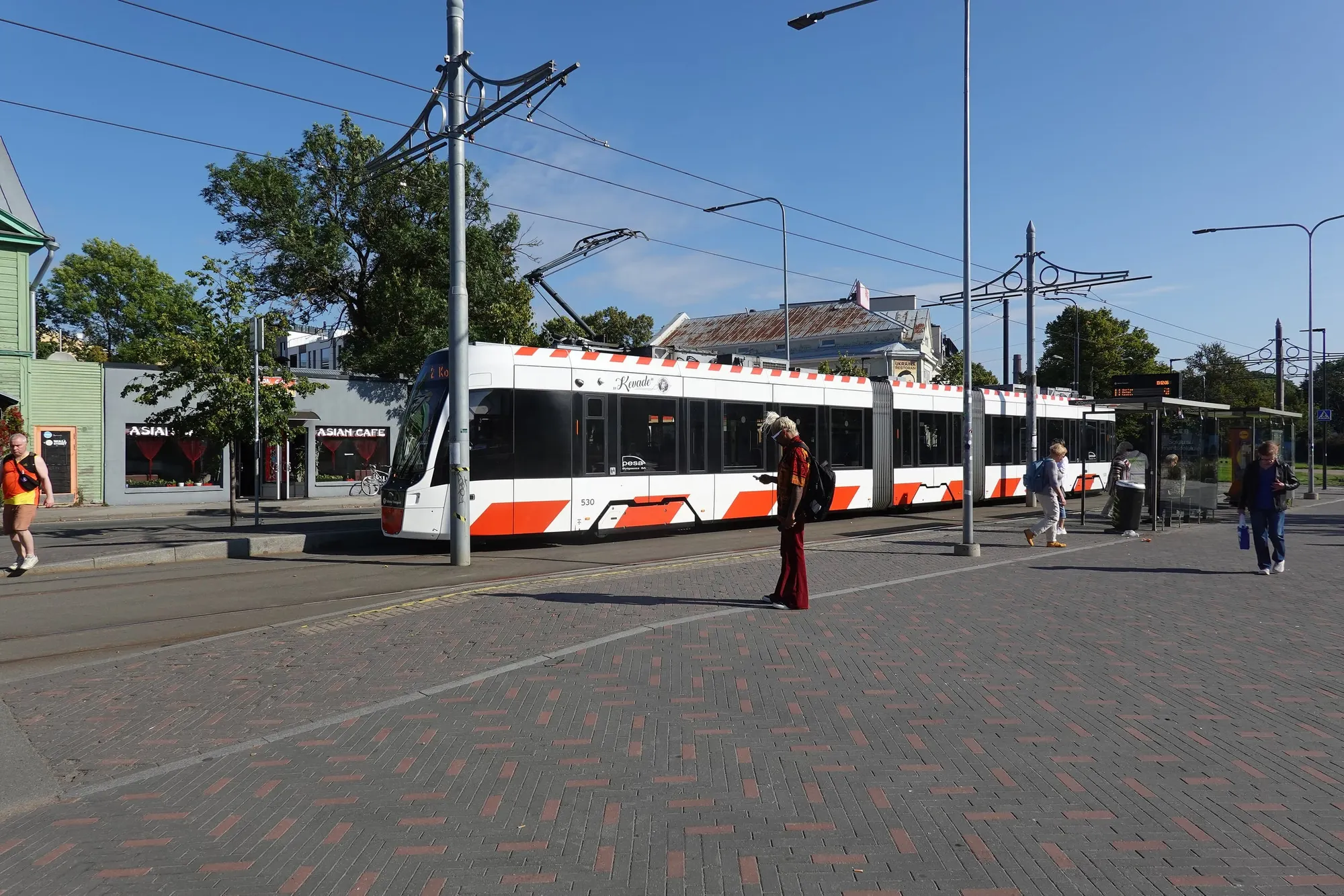
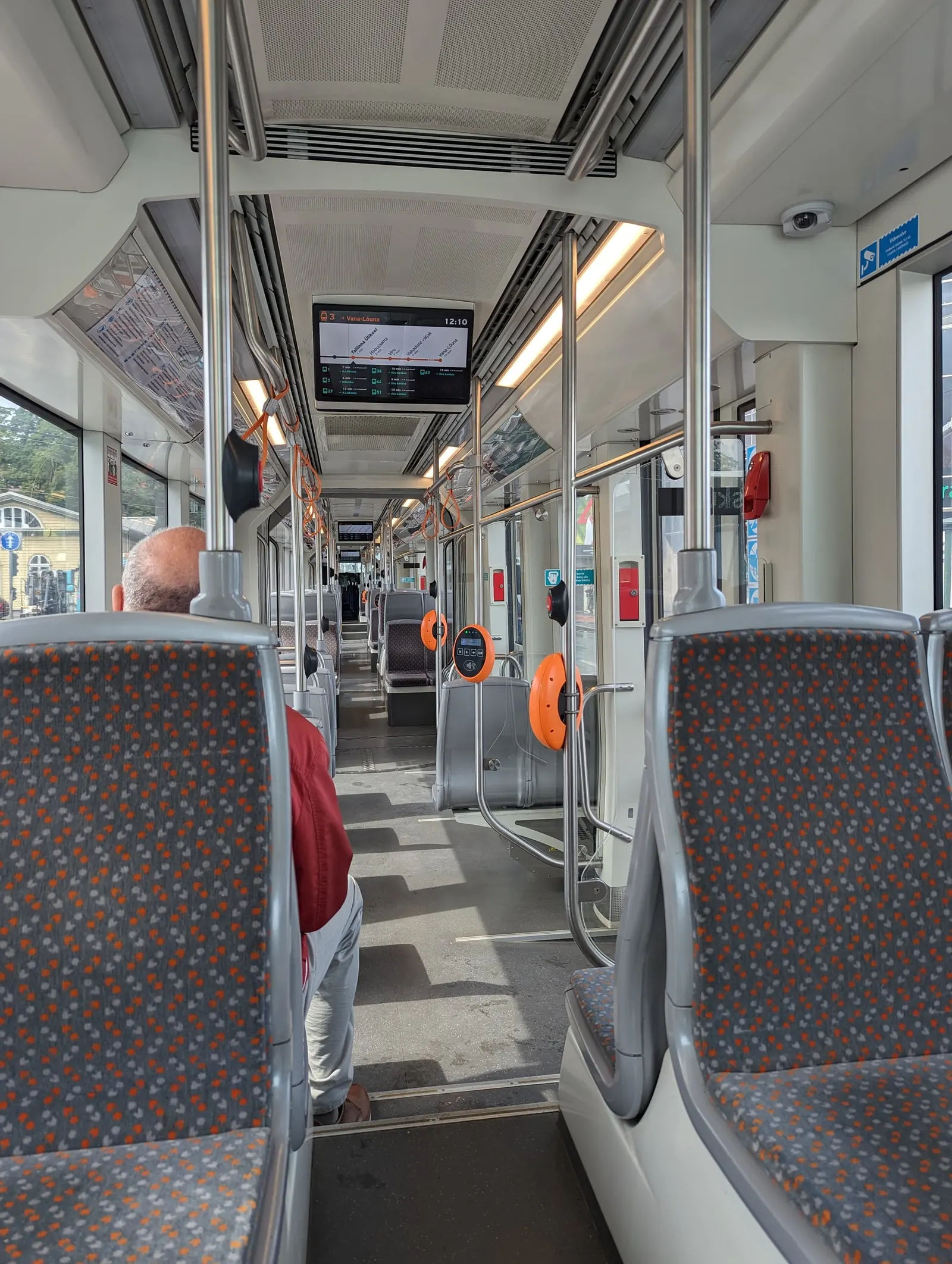
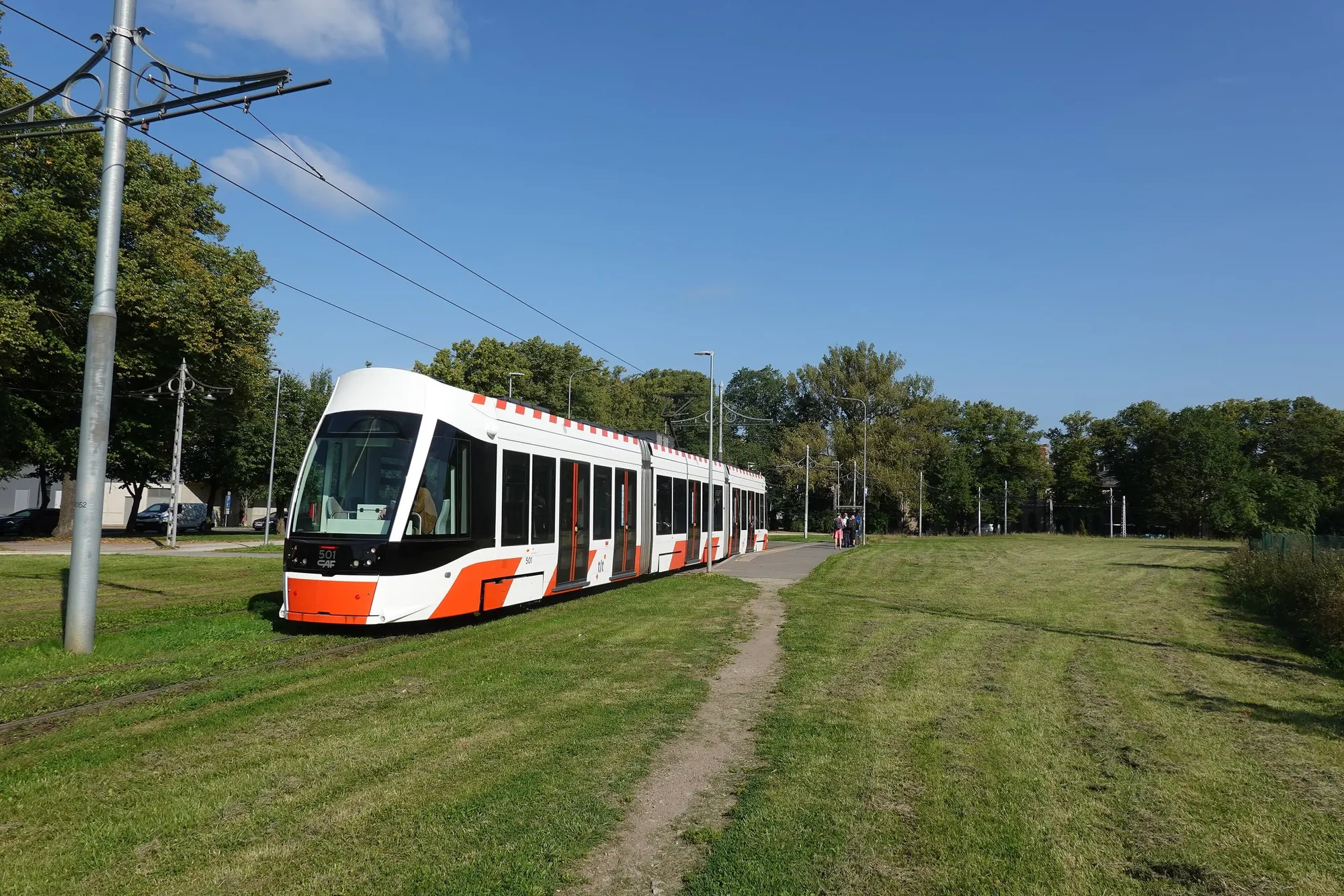
In 2012 Tallinn’s network ran 5 tram lines, 8 trolleybus lines and 57 bus lines, and carried 40% of all trips in a city of about 420,000 people. Its share had been falling since independence in 1991, while the number of cars per 1,000 residents had more than doubled, to 456. Tickets covered only a third of operating costs, a ride cost 1 euro, and 36% of users already travelled without paying: children, older people, some professions. In the city’s 2010 satisfaction survey, price was the most common complaint, cited by 49% of respondents. The city called a referendum: 75% of voters backed free travel on a 20% turnout, and the city council adopted it.
The arithmetic rests on Estonian taxation: part of personal income tax goes to the municipality where a person is registered. Many students and newcomers lived in Tallinn without registering; the city put them at 25,000 to 30,000. Ticket sales brought in 12 million euros in 2012, and each registered resident contributes about 1,000 euros a year in municipal tax, so 12,000 new registrations would cover the loss. The personalised travel card, tied to the population register, links the two. In May 2013 the city reported 9,000 more residents within a year, close to 9 million euros in extra revenue by its own calculation, and 15% less traffic.
Researchers measured something else. The study by Oded Cats and co-authors, published in 2017 in the journal Transportation, compares a survey of 1,500 households carried out for the city just before free fares and almost a year later. Public transport use rose by 14%, less than elsewhere, because the network was already dense and cheap. Some of the new riders used to walk: the share of walking trips fell by 40%. The share of car users dropped by 5%, but kilometres driven rose by 31%, as residents went further afield to shop and for leisure. Among low-income and unemployed residents, the public transport share grew by more than 20%, with no measurable effect on employment. The registration goal was met, with a downside the study points out: the tax Tallinn gains is lost by the municipalities people came from, in a capital that accounts for 33% of the population and 50% of the country’s GDP.

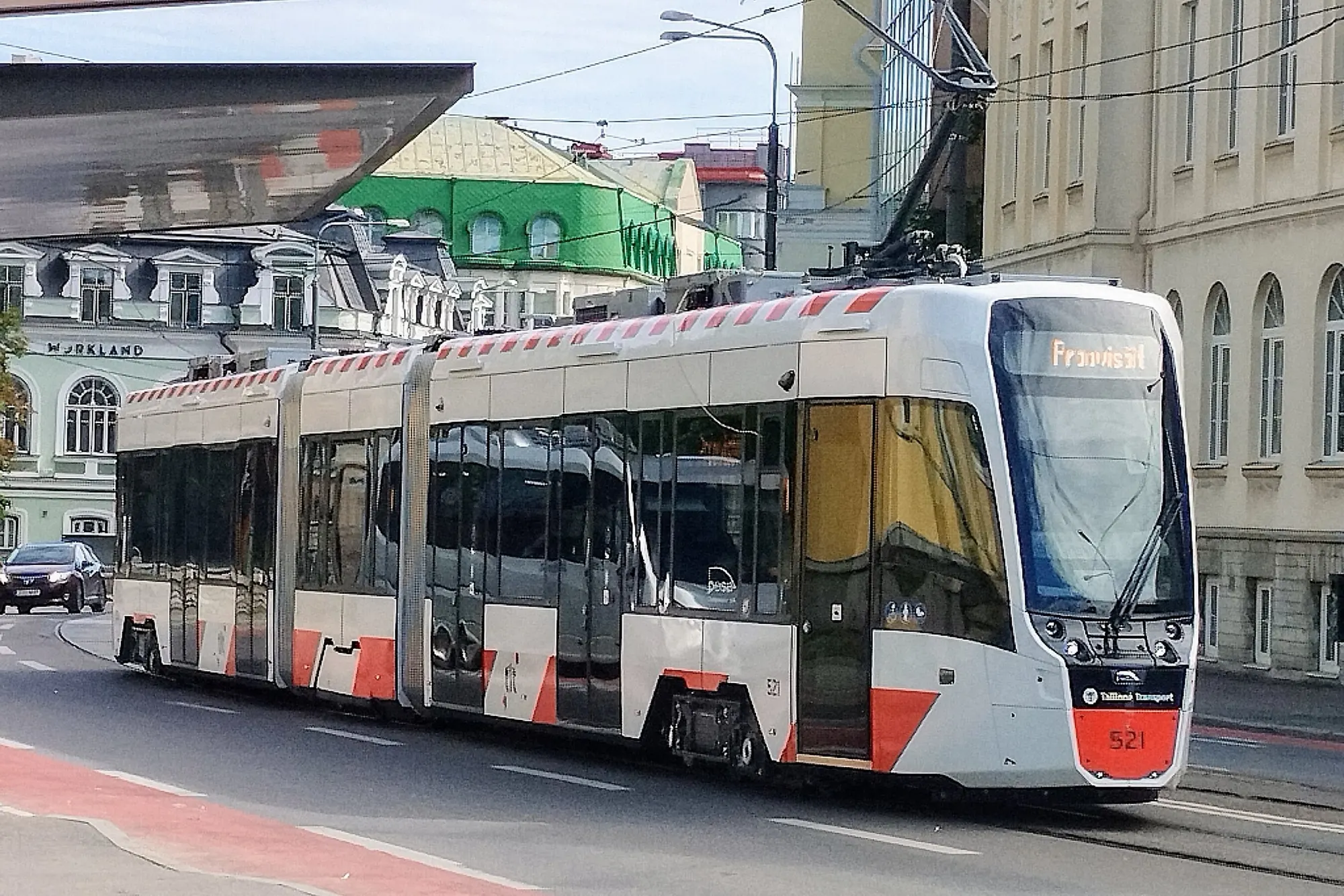
The rule has not changed since. The city’s 2025 budget sets aside about 126.5 million euros to run public transport and 157.8 million for trams, gas buses, electric trolleybuses and overhead line upgrades. Estonian pupils and people over 65 also ride free, and residents take Elron trains within the city limits at no cost. In January 2020 the city government refused to extend free travel to non-residents: it put the extra cost at 20 million euros a year and wanted to keep card validation, whose data is used to plan routes and timetables. Nationally, the experiment has retreated: in early 2024 the state brought back fares on county buses, which had been free in some counties, at a minimum of 1.50 euros for a 90-minute trip.
On board, free travel shows in a single gesture: every resident validates a personalised card each time they board, on the reader by the front door. A visiting group buys hourly tickets or 1, 3 or 5-day cards; once a day’s tickets pass 5.50 euros, the system turns them into a day ticket. A team can ride the network, from the trams delivered since 2024 to the trolleybuses of Mustamäe, and ask to meet the city’s mobility administration (Tallinna Transpordiamet), which runs the service; such a meeting still has to be requested. For a leadership team, Tallinn raises three questions: what a policy has to pay for itself, what to measure before launching it, and what its side effects cost. The city faces Helsinki across the Gulf of Finland.
Since 1 January 2013, Tallinn’s registered residents have ridden buses, trams and trolleybuses for free. A year on, public transport use had risen by 14% (Cats et al., Transportation, 2017) and the city counted 9,000 more registered residents. The 2025 budget allocates about 126.5 million euros to running the network.
Photos: Smiley.toerist, Wikimedia Commons (CC BY-SA 4.0: 1 2 5) ; AleWi, Wikimedia Commons (CC BY-SA 4.0: 3) ; Dmitry G, Wikimedia Commons (Domaine public: 4).
Would you like to meet these people with your team? in:Expeditions designs tailor-made learning expeditions around places like this one.
 Or design it yourself with Agent A\lex →What is a learning expedition? →Learning expedition: Helsinki, happiness the Finnish way →