For 10 people or more, accommodation and transport estimated; they are booked separately, in your name or through a registered travel operator.
This learning expedition is built for your group: length, places and pace.
Request a programmeOr prepare it yourself: online itineraryAgent A\lex
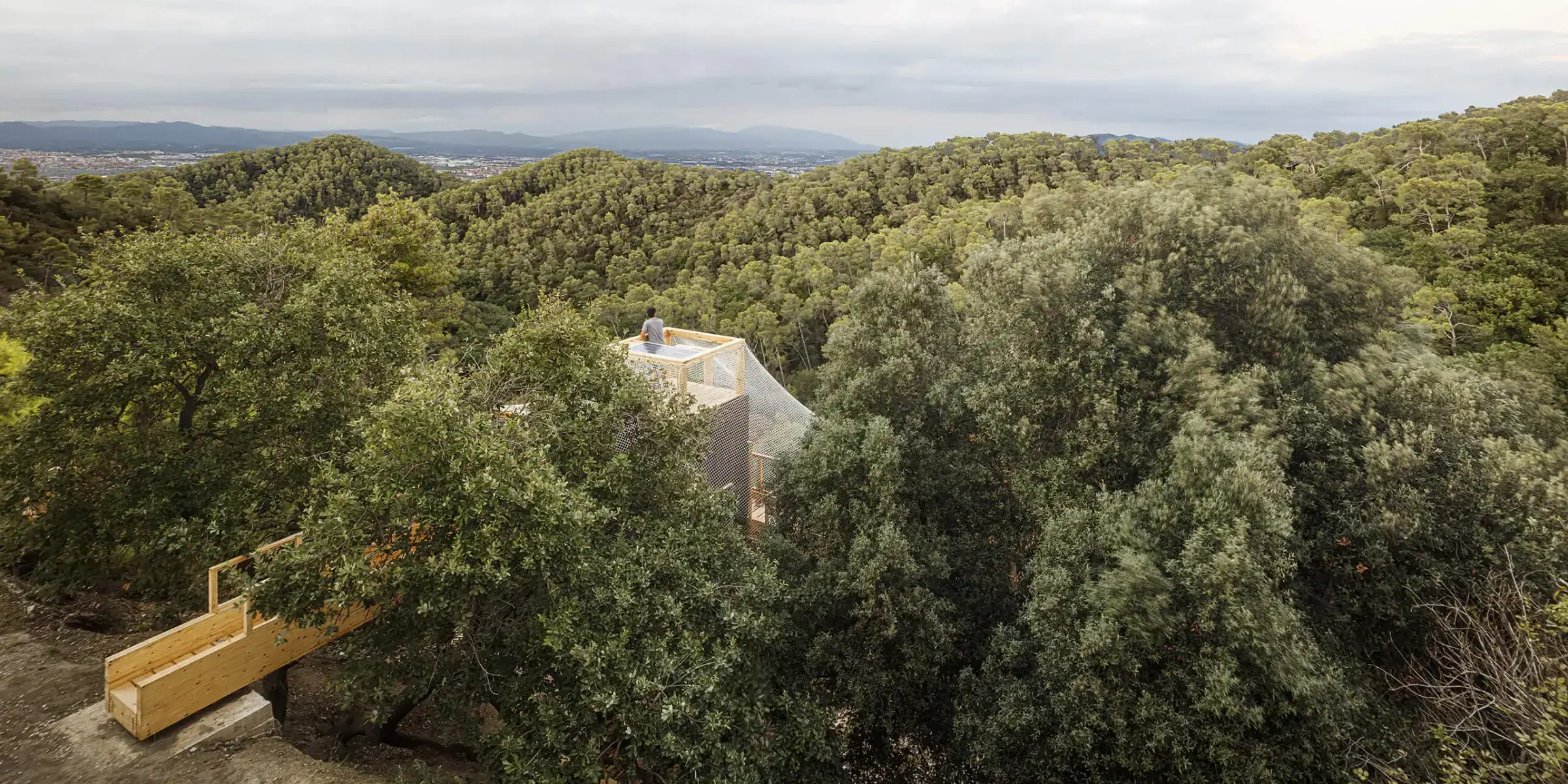
Barcelona’s superblocks have closed whole neighbourhoods to through traffic, in Poblenou since 2016 and in Sant Antoni since 2018. In the Collserola hills, a Barcelona architecture school runs a lab on an 1888 farm, where students and researchers work towards energy self-sufficiency and mill timber from the forest for their prototypes. In Barceloneta, a start-up house brings impact start-ups and investors under one roof. For a leadership team, the issue is what an organisation should make for itself and what it should share with its neighbourhood.
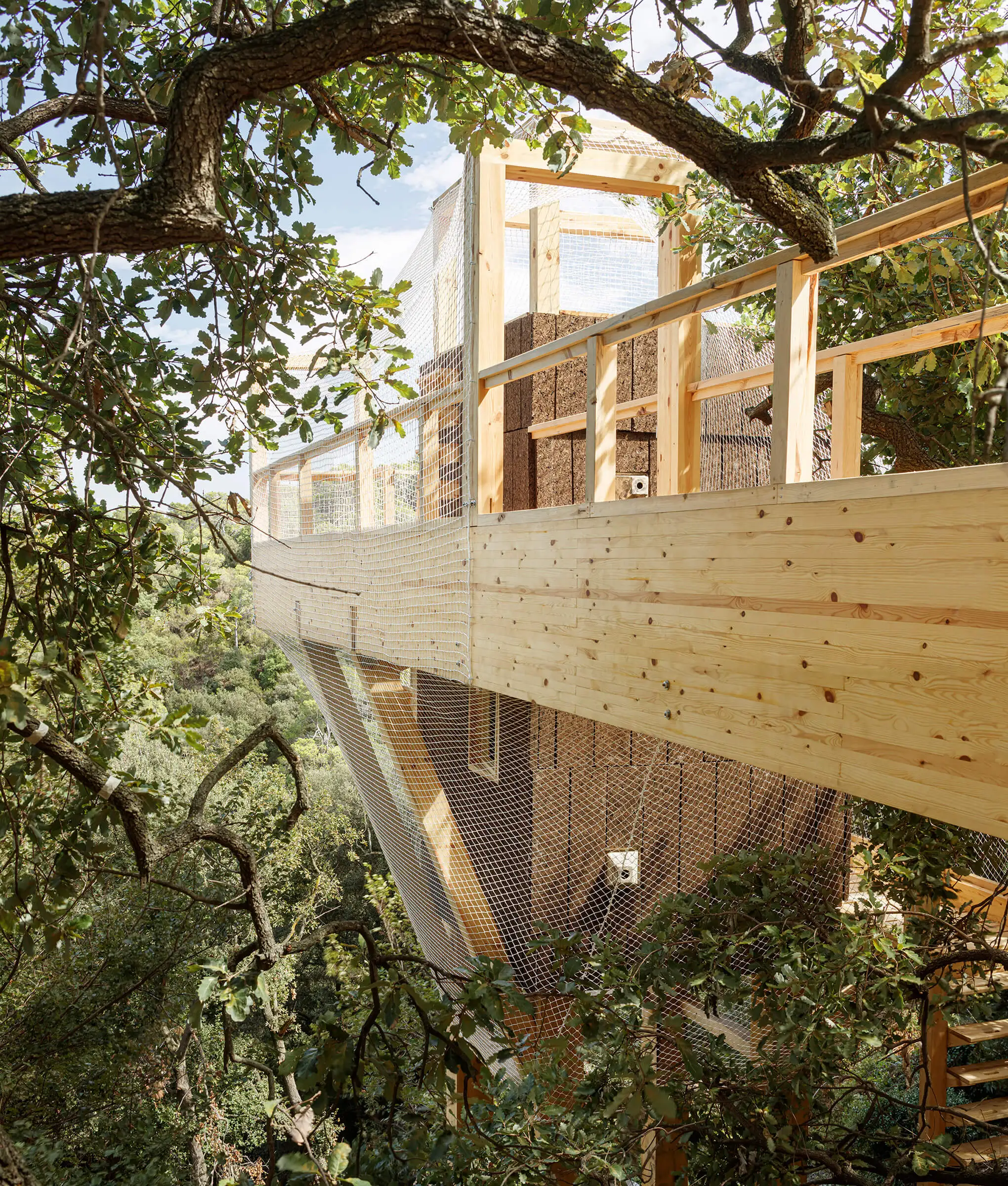
In Collserola Natural Park, above Barcelona, a Barcelona architecture school runs a lab on a 130-hectare estate of forest and fields first settled by Cistercian monks in 1150. Around a nineteenth-century farmhouse, its Green Fab Lab tests local production of energy, food and objects, and hosts an eleven-month master’s programme.
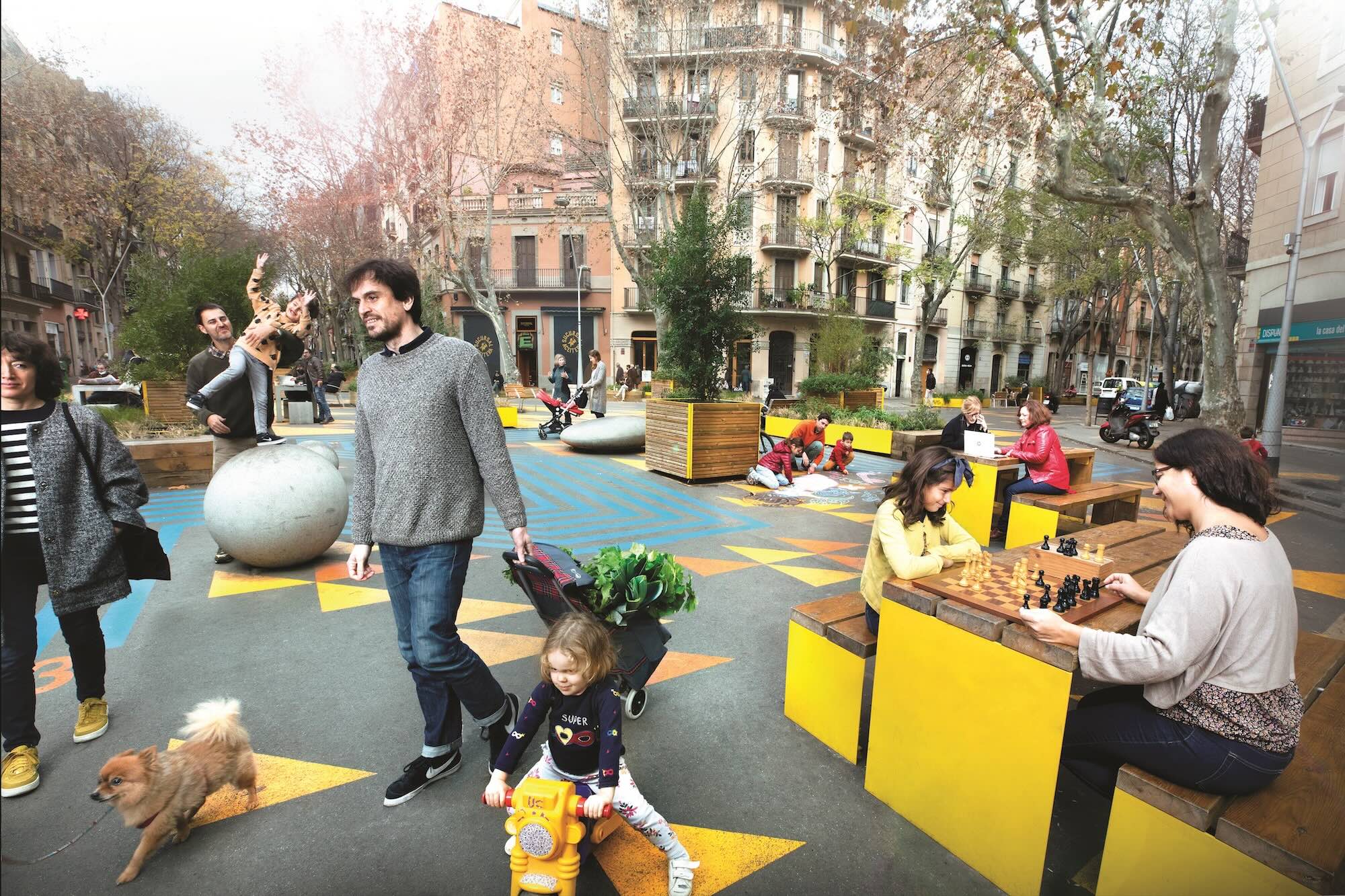
In September 2016, Poblenou opened Barcelona’s first superblock: between Badajoz, Pallars, Llacuna and Tànger streets, two crossroads became squares. In Sant Antoni, in May 2018, 5,000 m² around the market were given back to pedestrians, including an 1,800 m² square. In the Eixample, from 2022, four streets, Consell de Cent among them, became green streets around four new squares.
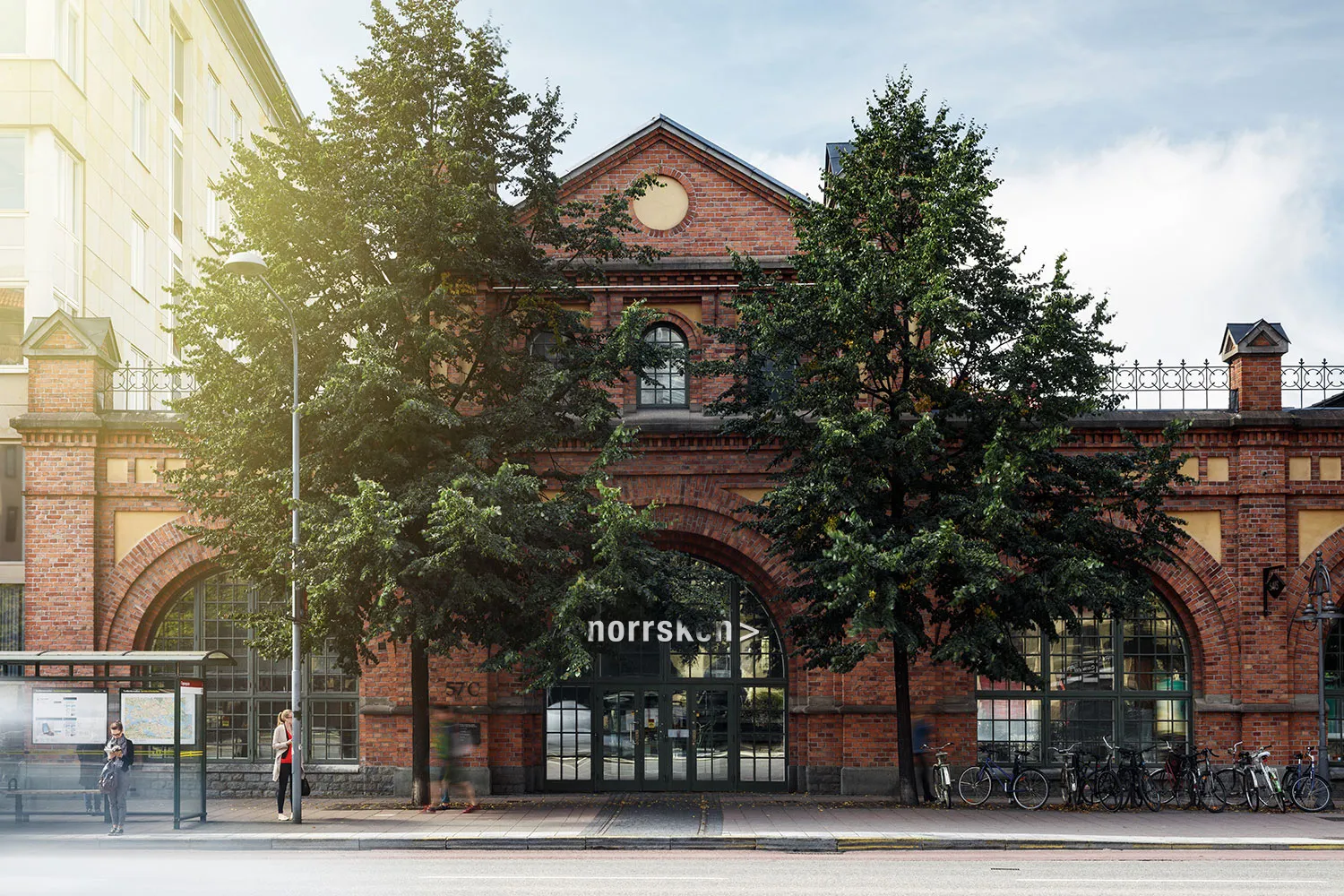
In Barceloneta, facing the sea, a house for impact start-ups has occupied a 7,600 m² building on Passeig del Mare Nostrum since 2023, four floors topped by a roof terrace. More than 1,300 members, entrepreneurs working in technology and social or environmental impact, share its offices. The house also rents out workshop rooms for 22 to 50 people and conference space for up to 120.


 Agent A\lex