ThemesCircular economy · Climate Tech · Adaptation/Mutation
in:Expeditions designs and leads the learning expedition. Accommodation and transport are booked separately, in your name or through a registered travel operator.
This learning expedition is tailor-made for your group: length, encounters and pace.
Request a programme
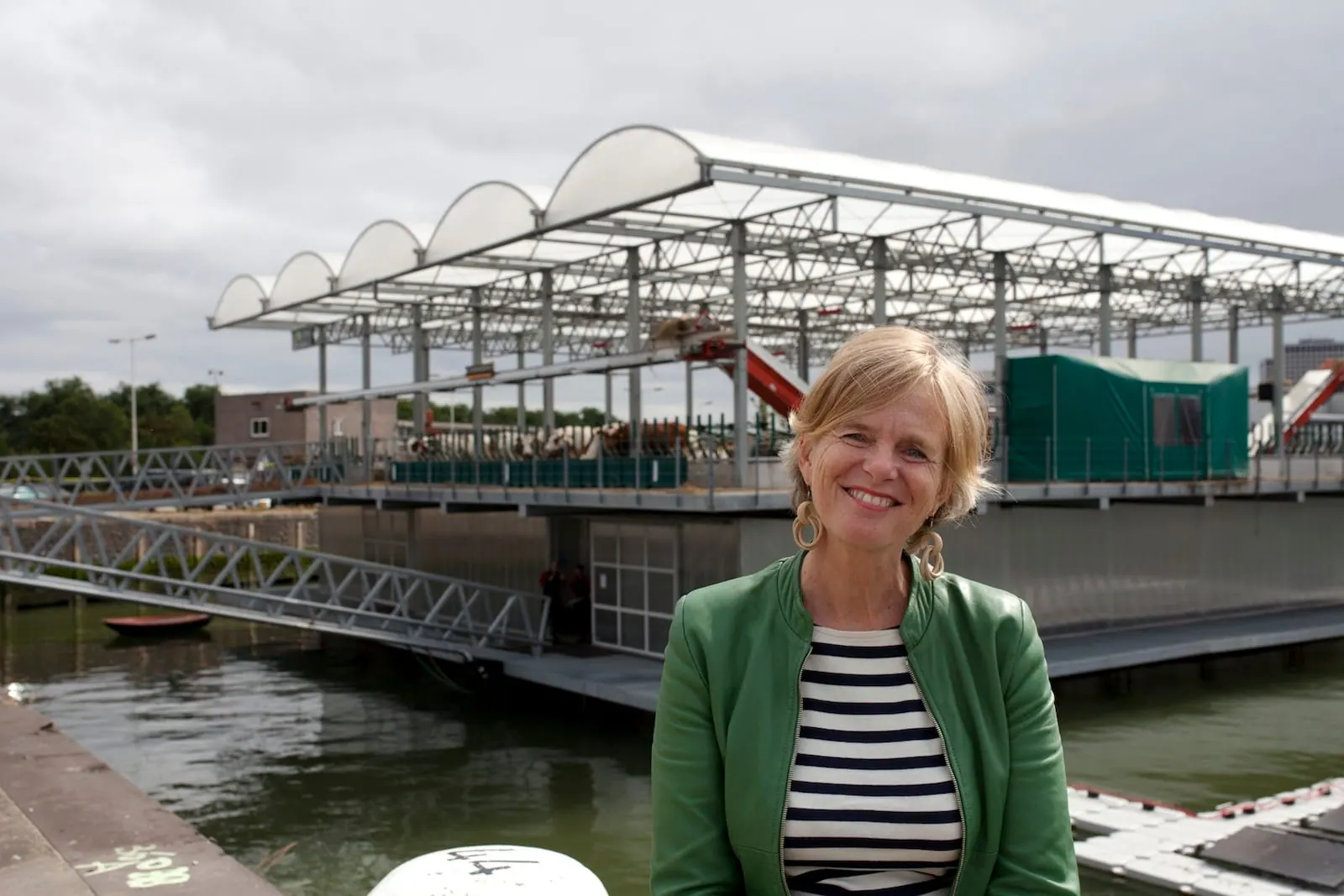
In April 2020, Amsterdam adopted Kate Raworth’s Doughnut Economics model as the framework for its circular city strategy. Fairphone designs its modular, repairable phones there. In Rotterdam, Europe’s largest port aims to be climate neutral by 2050. In 2019 Floating Farm moored a floating dairy barn in Merwehaven harbour to produce milk inside the city; its founders put it up for sale in 2026, and its permit expires in early 2028. Leadership teams use the visit to examine what a circular model changes in their products and their supply chains.
Since May 2019, Floating Farm has been moored in Merwehaven harbour in Rotterdam. In 2026 its founders sold the cows and put the floating barn up for sale; its mooring permit runs out in early 2028. The farm is still open, without a herd: its milk now comes from a nearby producer. Its one-hour guided tour takes groups of 20 to 80.
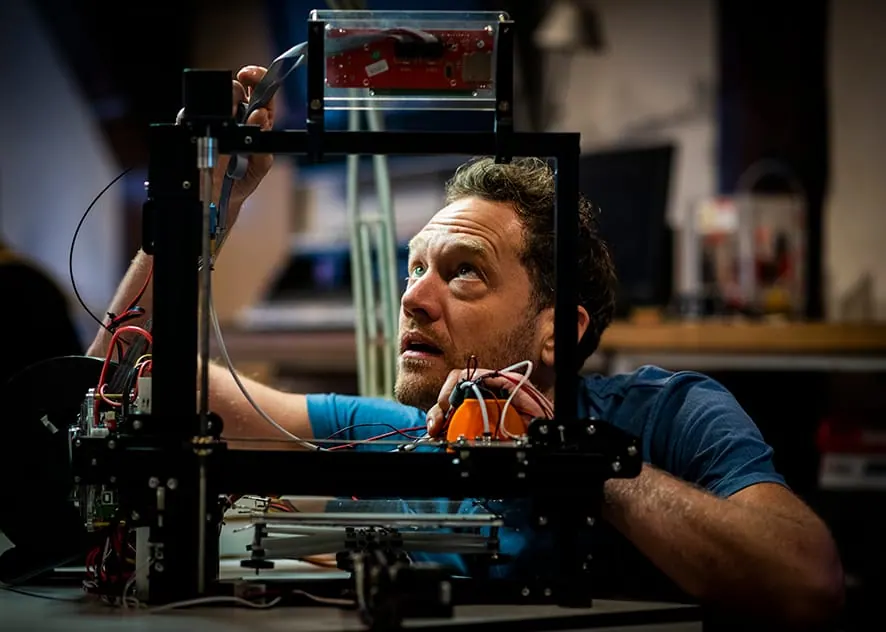
Founded in Amsterdam in January 2013, the social enterprise Fairphone designs phones that owners can repair themselves, and has them built by contract manufacturers. The Fairphone (Gen. 6), launched on 25 June 2025, has up to twelve parts that users can replace themselves, including the battery and the screen. A B Corp since 2015, the company sold 145,259 phones in 2025 with a staff of 129.
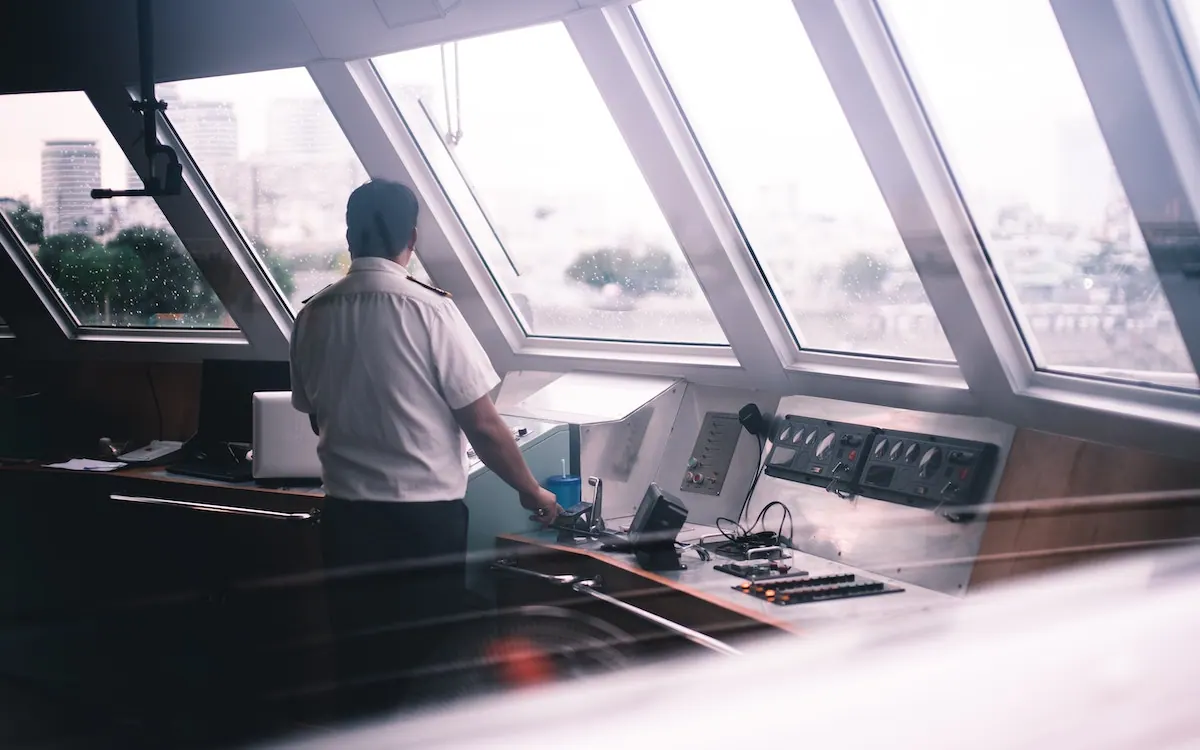
Opened on 22 March 2025 on Maasvlakte 2, facing the North Sea, Portlantis is the Port of Rotterdam’s discovery centre. It is open Tuesday to Sunday, from 10 am to 5 pm. For groups of 15 or more, its team puts together a tailor-made programme; the boat tour lasts 75 minutes, past seagoing ships and container terminals.


 Agent A\lex