Hammarby Sjöstad hands its eco-district to its residents
“
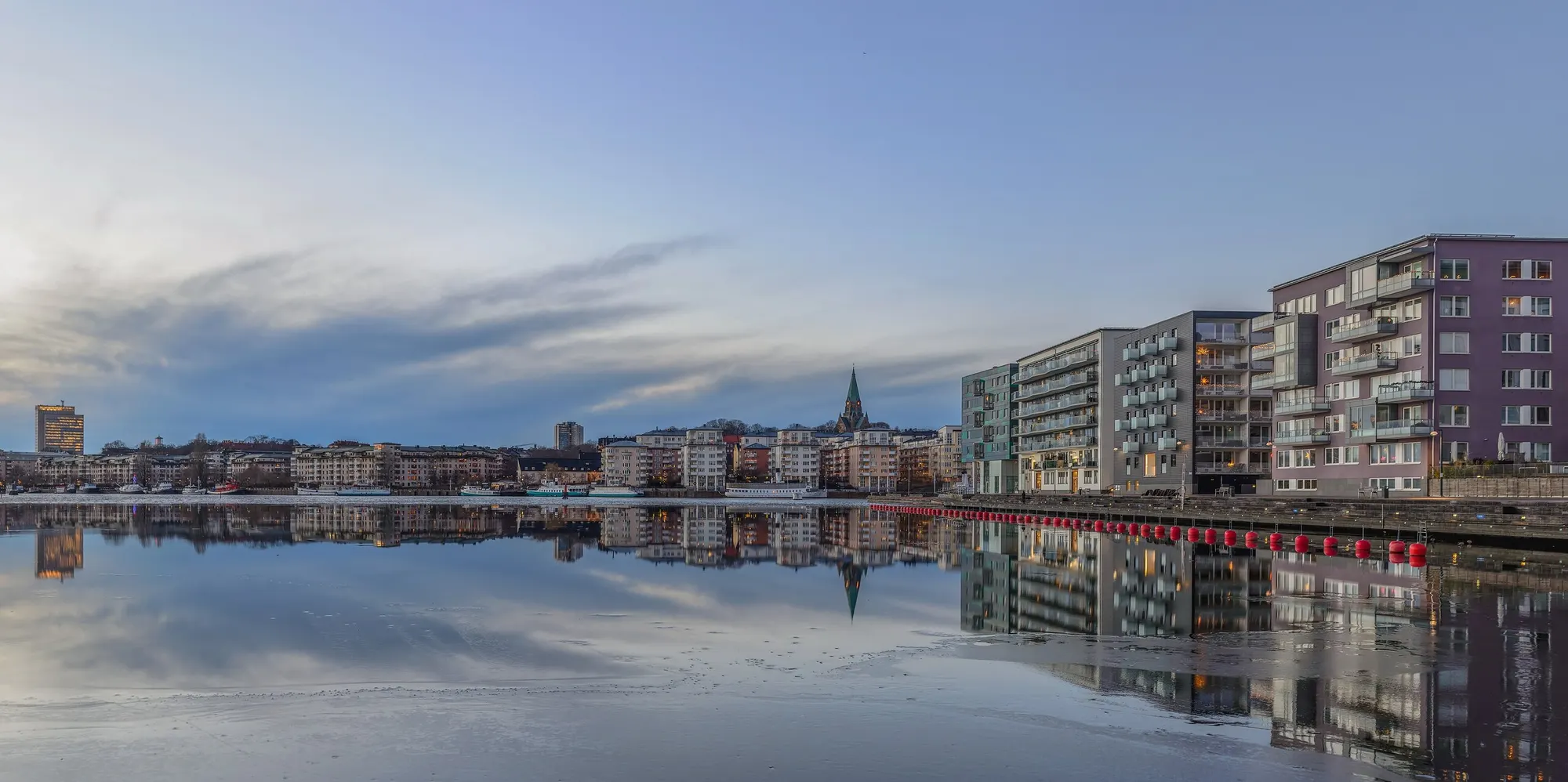
In 1996, Stockholm decided to build a district on former industrial land south of the centre that would be “twice as good” for the environment as those built in the early 1990s. Thirty years on, about 21,000 people live in Hammarby Sjöstad, and its residents are now the ones driving its transition.
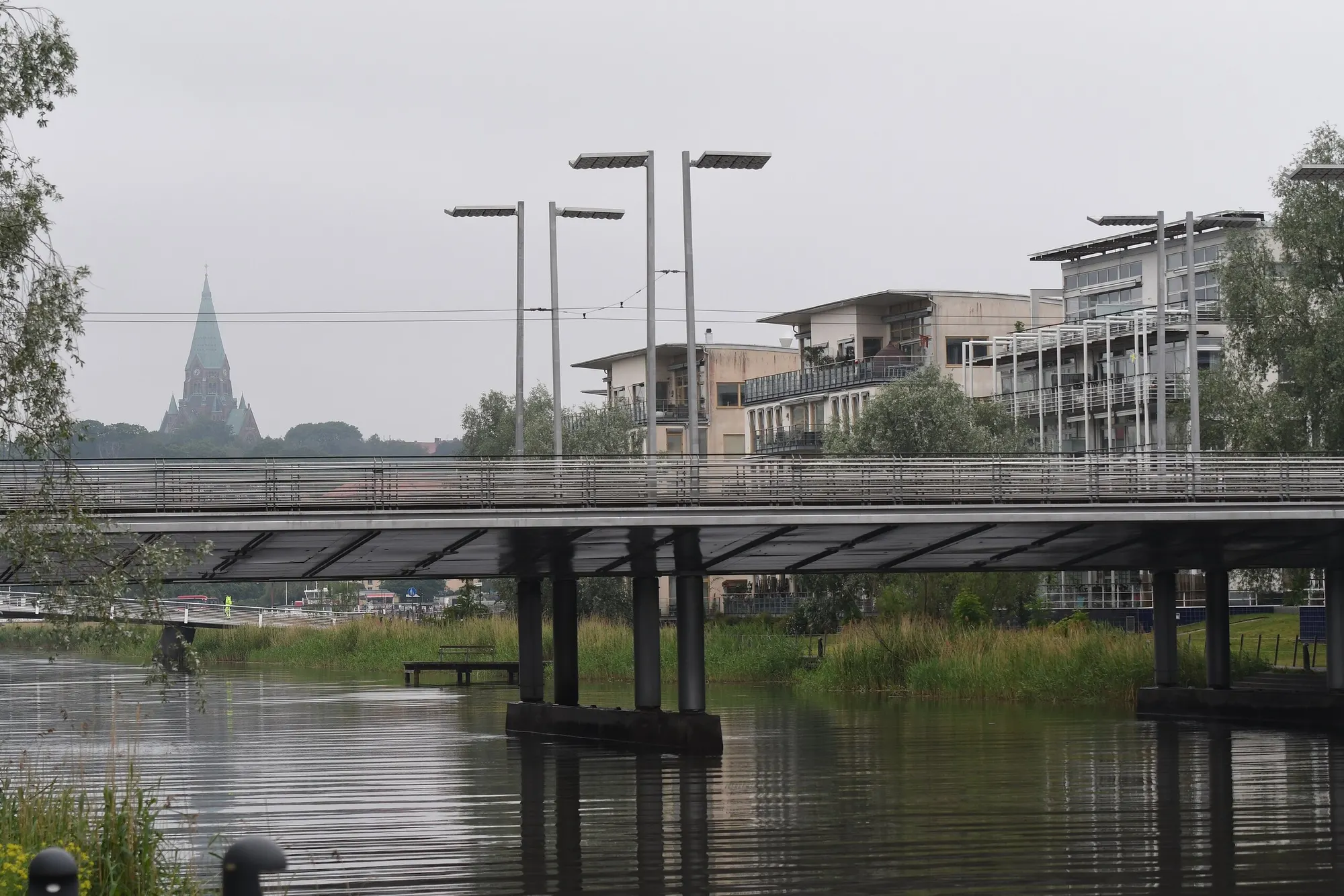
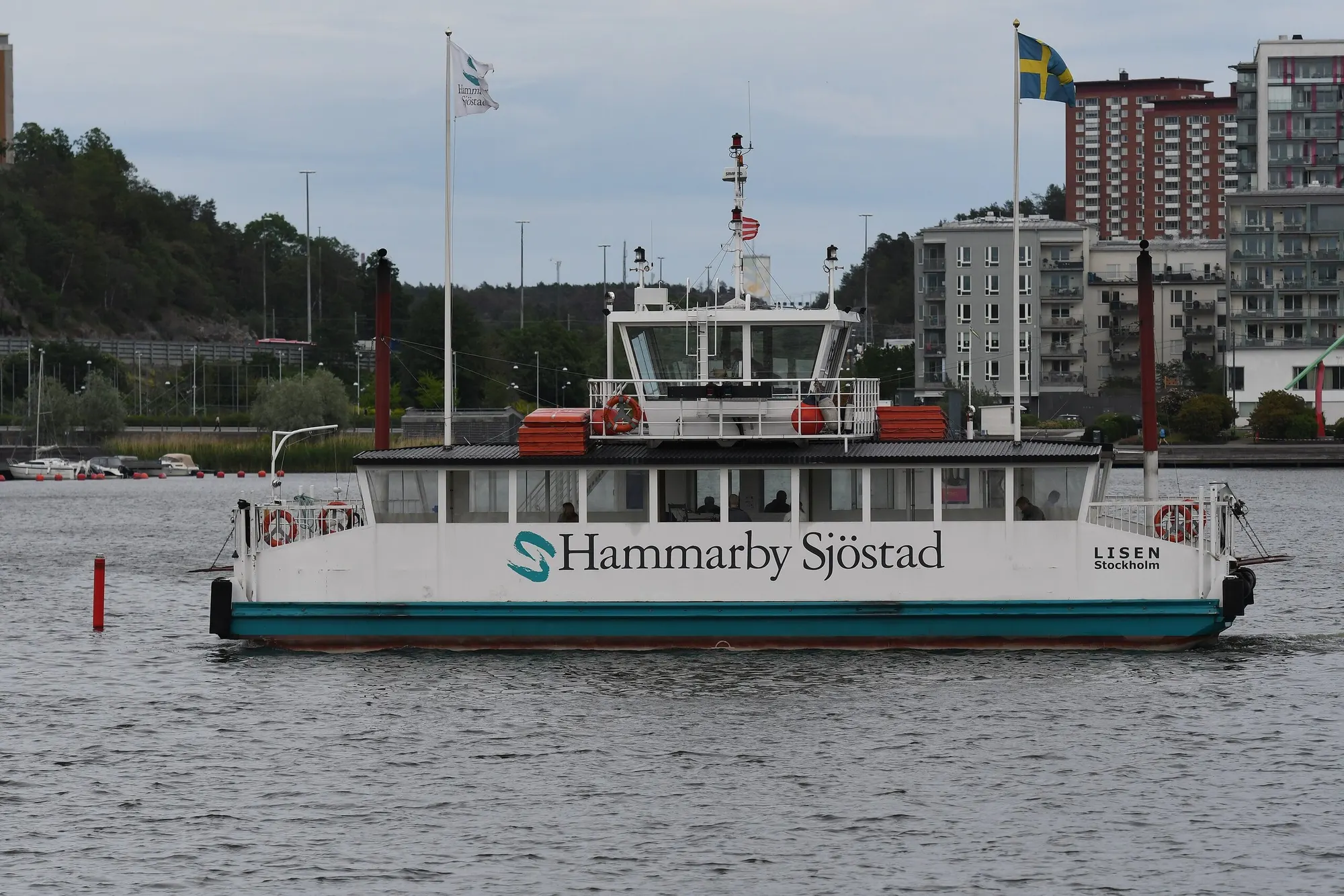
The district was first meant to house athletes. In 1996 Stockholm decided to bid for the 2004 Olympic Games and to place the Olympic village in Hammarby Sjöstad; the bid required an environmental programme. The city came fourth, the Games went to Athens, but the programme stayed. Its goal: to halve the district’s total environmental load compared with housing built in the early 1990s. The first construction had begun in 1994 on the north side of the old harbour; the city plans around 12,700 homes on 200 hectares, and about 2,000 remain to be built.
The heart of the programme has a name, the Hammarby Model: link the networks for waste, water treatment, heat and electricity, and draw energy from what is left over. The target of using 80% of the recoverable energy in waste and wastewater has been met, according to analyses published by the city. About half of the electricity and heat used comes from organic and combustible waste turned into district heating and electricity. Since 2003 the district has been connected to Stockholm Vatten’s experimental treatment plant on Henriksdal hill. The city plans 0.55 parking spaces per home, and the cross-city light rail has run through the district since August 2002.
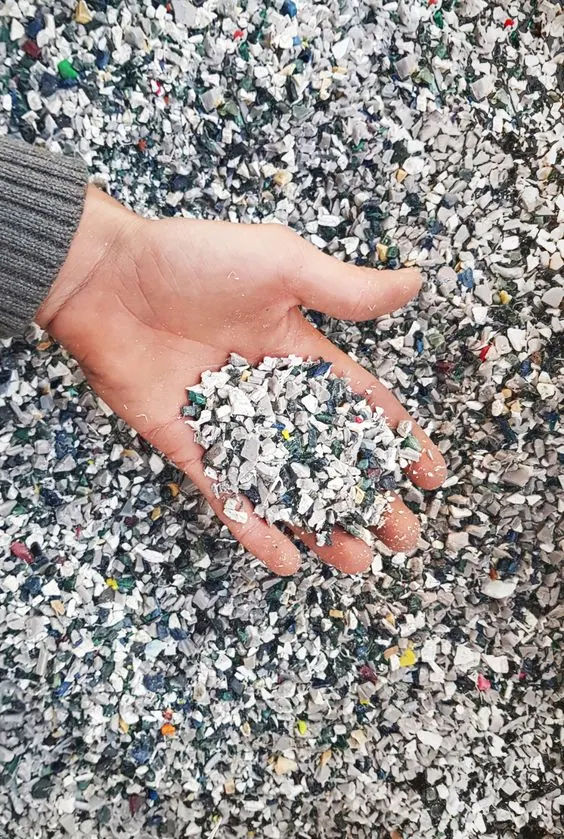
Part of the waste travels underground. Almost 3,000 homes are connected to a vacuum collection system operated by Envac: inlets separate food waste, residual waste and plastic packaging, then air pushes the bags at about 70 km/h through a network of pipes to a terminal, without a single bin lorry entering the streets. When ElectriCITY tested the Reflow app, linked to this network, with residents, plastic sorting rose by 44%.

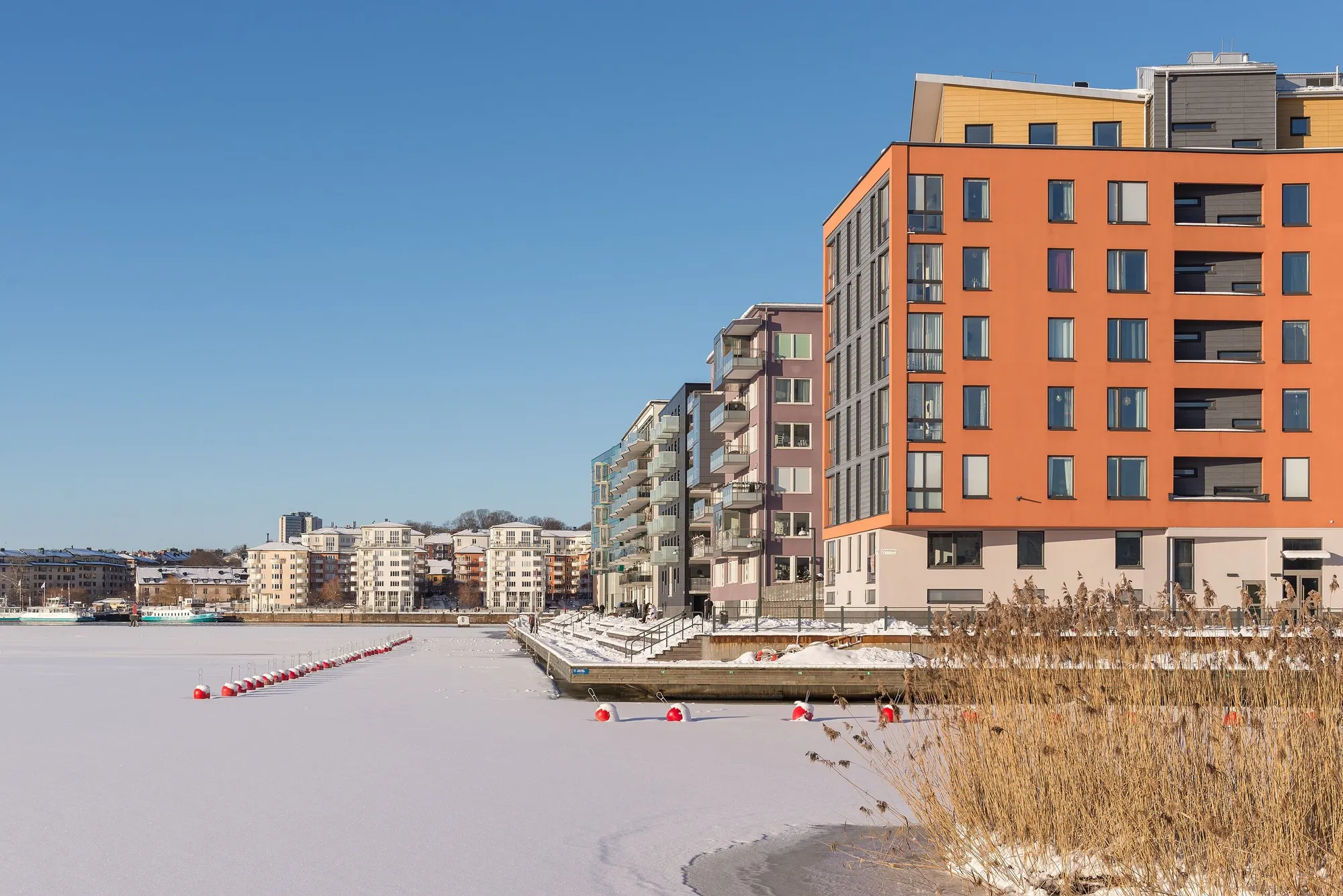
ElectriCITY Innovation was founded in the district in 2014 on Allan Larsson’s initiative. This non-profit association brings together some eighty members and partners, from KTH and RISE to the City of Stockholm, and aims for a climate-neutral district by 2030. It supports housing cooperatives with their energy work and launched Stockholm’s first energy community: ten of the district’s 72 housing cooperatives produce and share their solar power there, in a community chaired by Ulrika Jardfelt. On 29 October 2026, Allan Larsson replied to the historian Håkan Forsell, who had looked back in Dagens Nyheter at the district’s first twenty-five years: the ambitions took time, he writes, but residents have taken them over, with energy use of 60 to 70 kWh per square metre per year instead of 120 to 130.
The City of Stockholm runs study visits to Hammarby Sjöstad, aimed mainly at groups who study or work in urban development; they are booked through a form, choosing the project, date and time. In the city centre, the Stockholmsrummet on Sergels torg shows a model of Stockholm and its urban projects and is open every day. The quays and streets of the district are open to all.
Built since 1994 on former industrial land, Hammarby Sjöstad is home to about 21,000 people. Its 1996 programme aimed to halve its environmental load; the target of recovering 80% of the energy in waste and wastewater has been met, and about half of the district’s electricity and heat comes from waste. Since 2014 its residents have carried the work further with ElectriCITY.
Photos: Arild Vågen, Wikimedia Commons (CC BY-SA 4.0, CC BY-SA 3.0: 1 4 5) ; Johan Jönsson (Julle), Wikimedia Commons (CC BY-SA 4.0: 2 3).
Would you like to meet these people with your team? in:Expeditions designs tailor-made learning expeditions around places like this one.
 Or design it yourself with Agent A\lex →What is a learning expedition? →