ThemesSocial innovation · Hybridizations of spaces · Shared governance
in:Expeditions designs and leads the learning expedition. Accommodation and transport are booked separately, in your name or through a registered travel operator.
This learning expedition is tailor-made for your group: length, encounters and pace.
Request a programme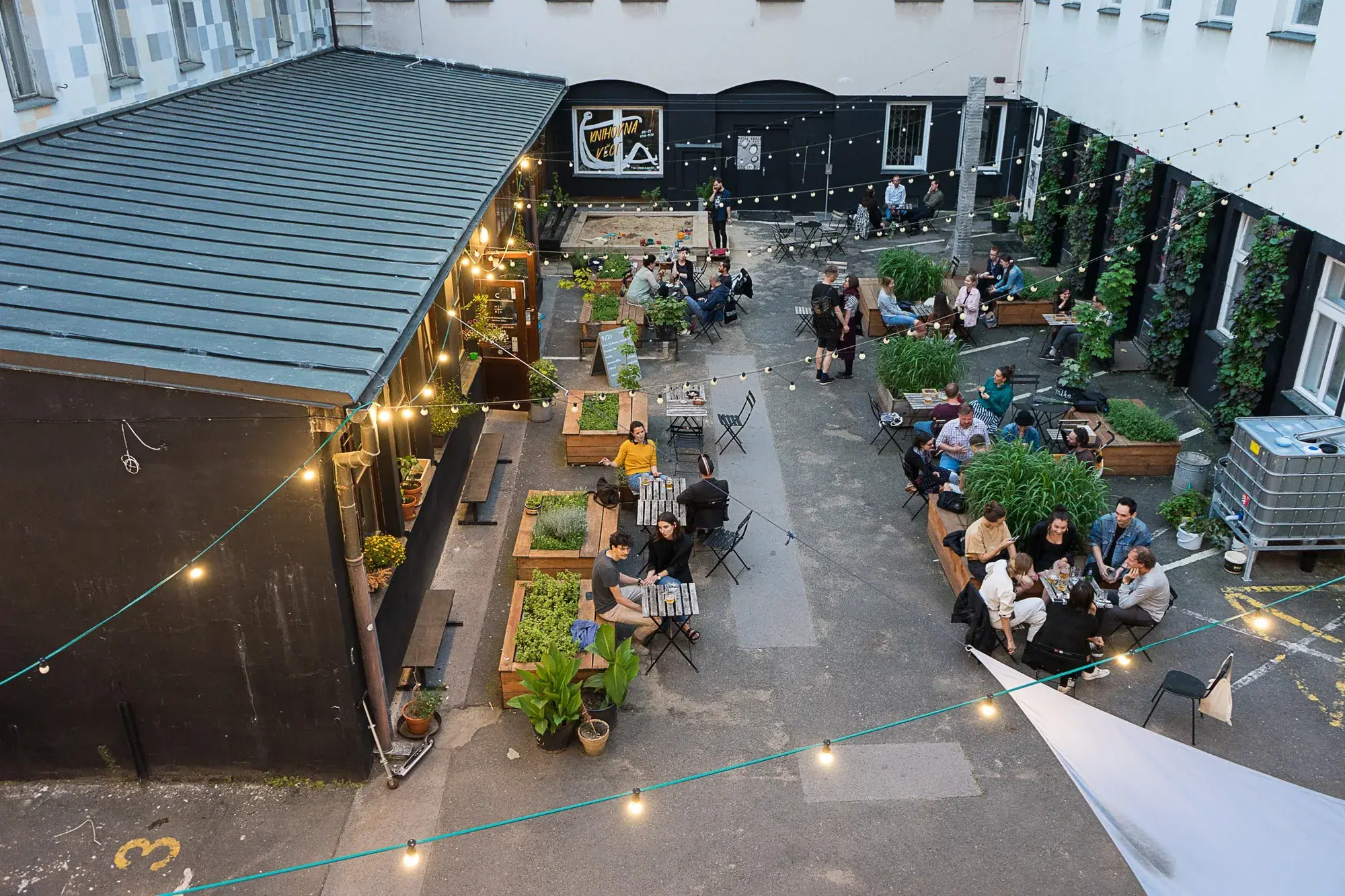
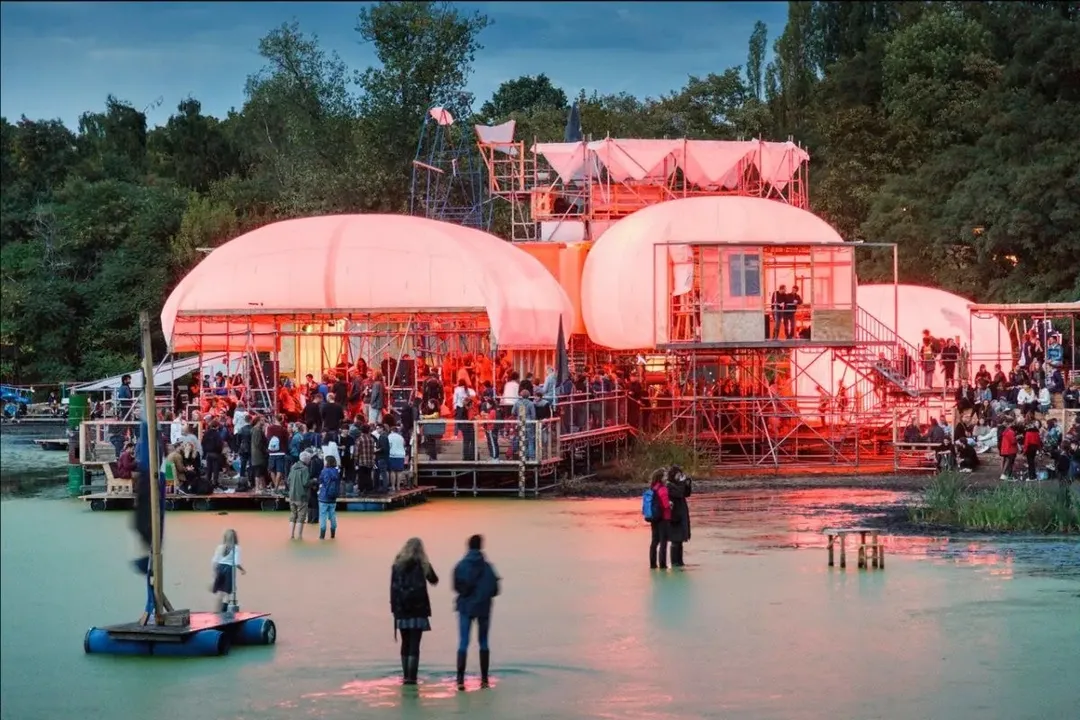
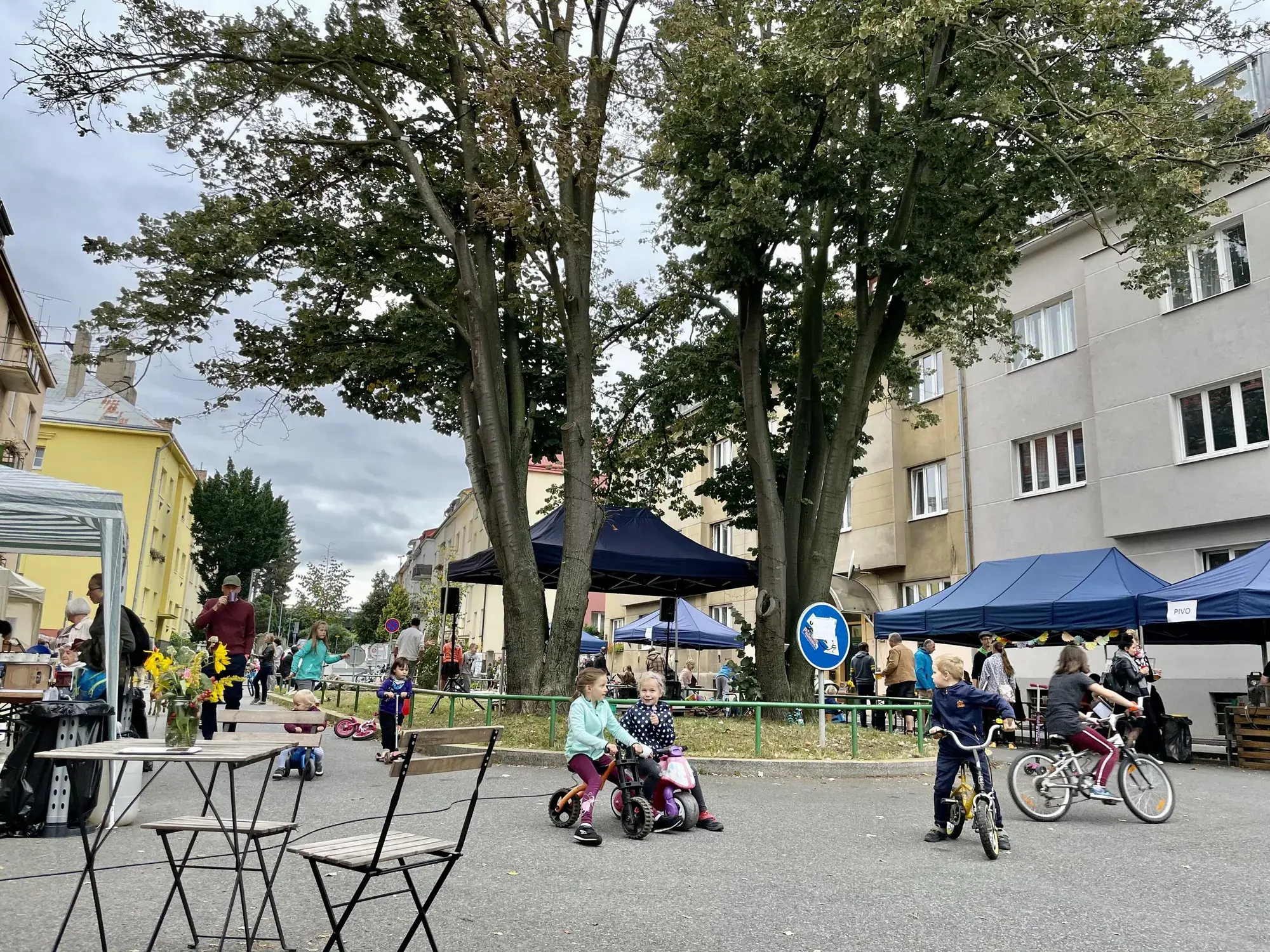
In Vienna, one resident in four lives in a flat owned by the city, a model born between the wars. In Prague, hundreds of volunteers close their street to cars for a day every September; a city-owned house left empty for more than ten years reopened in 2017 as a campus. In Berlin, the Floating University teaches ecology on a retention basin of the former Tempelhof airport. Nine days by train, from Berlin to Vienna. Visits are confirmed with each place when the quote is drawn up.
The Floating University occupies a rainwater retention basin of the former Tempelhof airport and teaches resource management there.
Every September, with the Auto*Mat association, hundreds of volunteers close their street for a day. Kampus Hybernská, a city-owned house empty for more than ten years, hosts a café, studios and a repair workshop. With Pragulic, formerly homeless people guide tours of their neighbourhood.
The Karl-Marx-Hof, more than a kilometre long, had 1,382 flats in 1930. In the north-east, aspern Seestadt is being built for some 25,000 residents. The magdas hotel, opened by Caritas, trains and employs refugees.
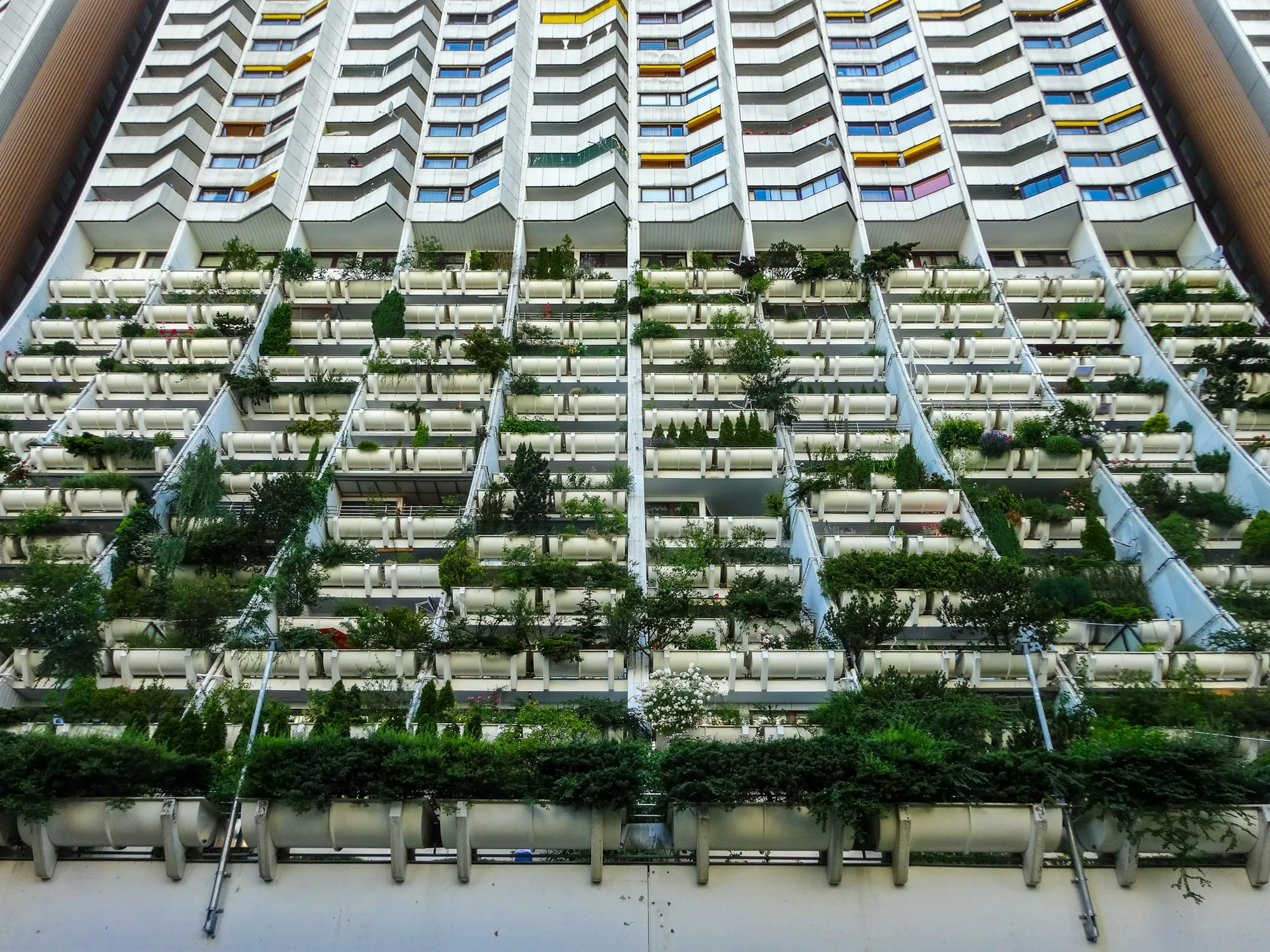
Photo credits : Natálie Dudová, Wikimedia Commons, CC BY-SA 4.0 ; Photothèque in:Expeditions, tous droits réservés ; Martin2035, Wikimedia Commons, CC BY 4.0 ; Nikolai Kolosov, Unsplash ; Jacek Dylag, Unsplash


 Agent A\lex