Sonnentor buys straight from its farmers
“
In the Waldviertel, a corner of Lower Austria that people keep leaving, Johannes Gutmann started an organic herb and spice business in 1988 with three farming families. Sonnentor now employs around 600 people, sells in some 60 countries and buys two thirds of its raw materials directly from growers, with no middlemen.
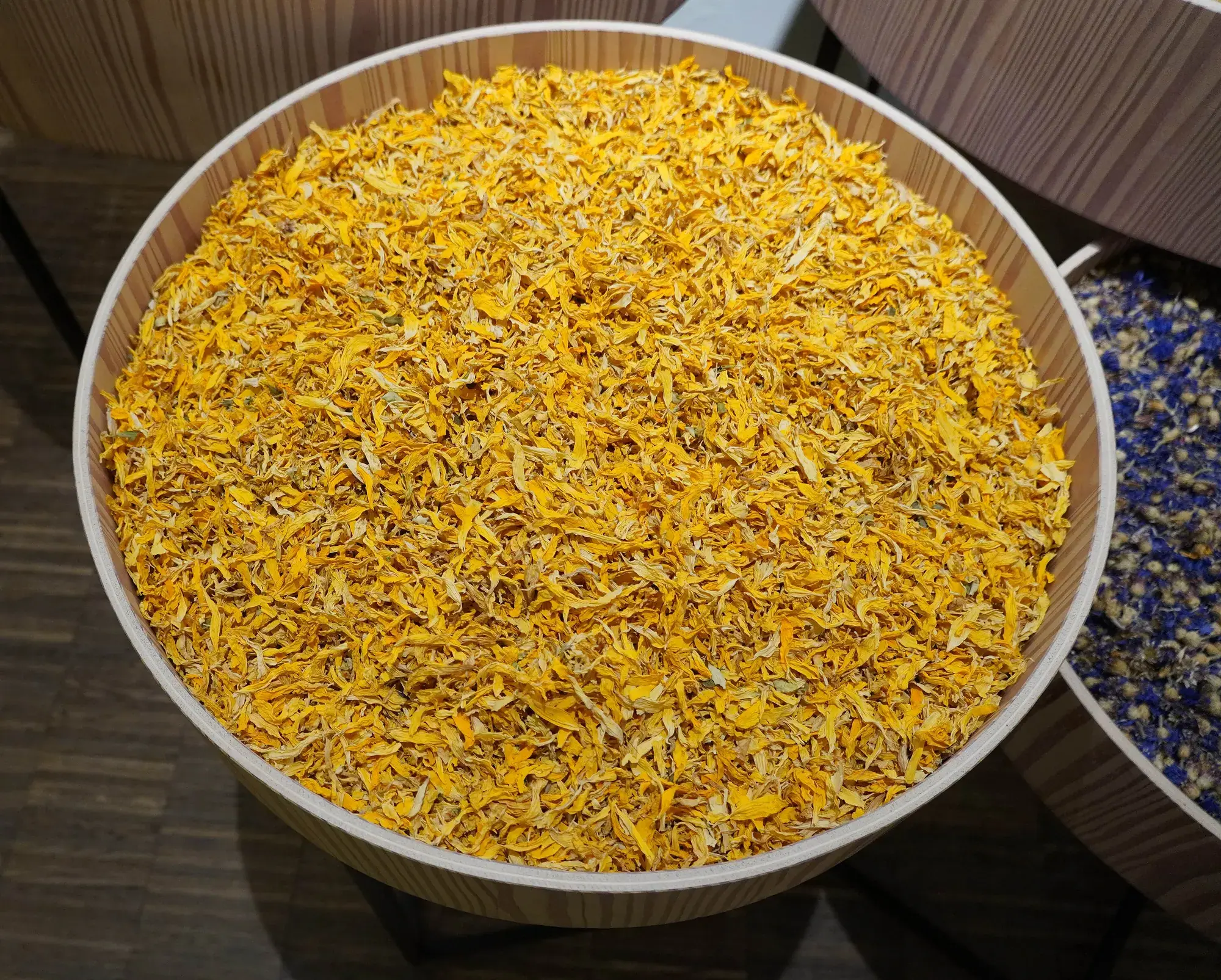
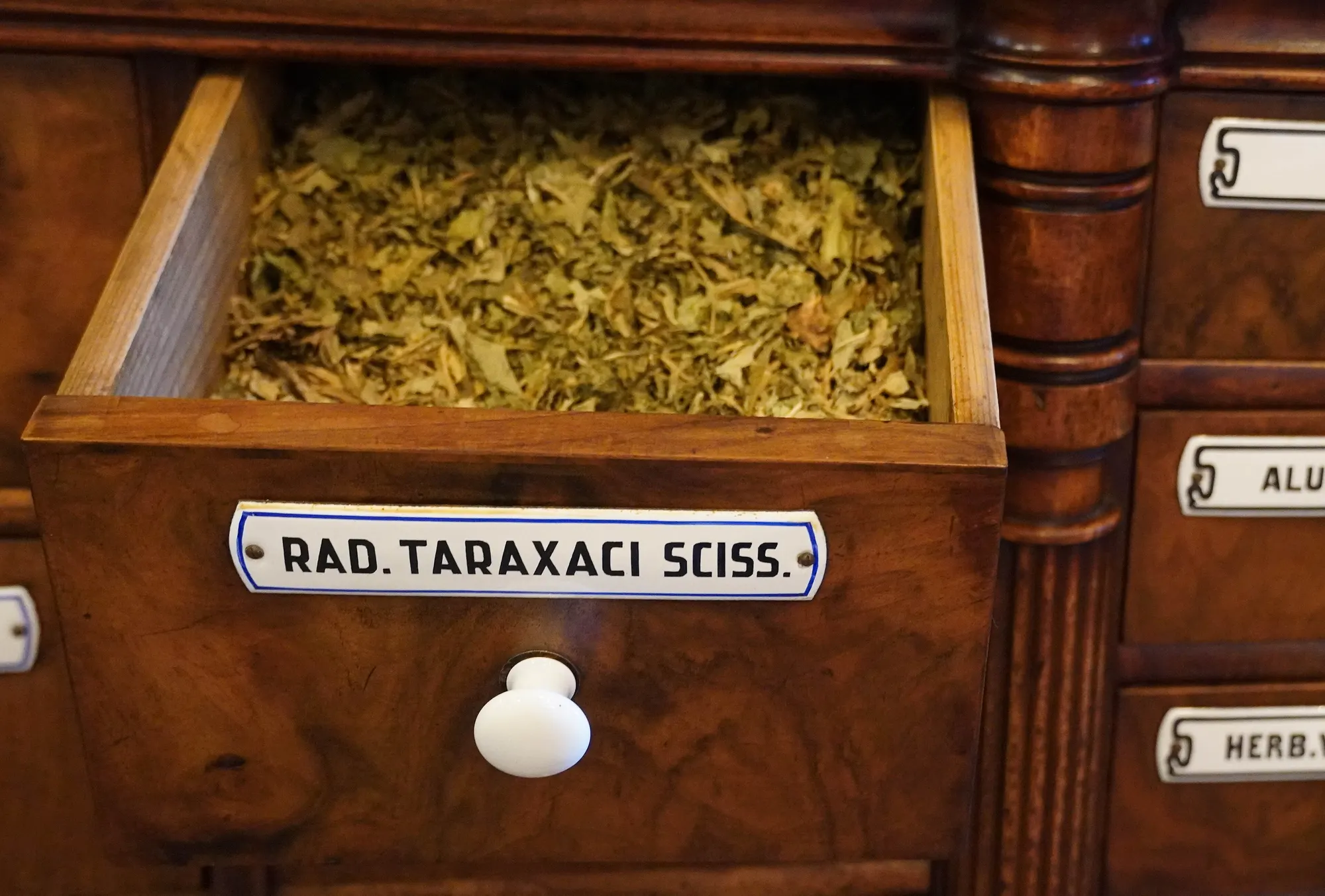
In 1988 Johannes Gutmann was in his early twenties, out of work, with a business plan that fitted on a single page. He wanted to sell the herbs grown on organic farms in the Waldviertel, in the north of Lower Austria, under his own brand. Three families, the Bauers, the Kainzes and the Zachs, agreed to grow for him. The company recalls that the Bauers were mocked in their village for going organic. In 1992 Gutmann bought the farm at number 10 in Sprögnitz, a hamlet of around a hundred souls, and it is still Sonnentor’s headquarters.
The model rests on one rule: buy from the people who grow. Some 70 Austrian and 10 German farmers grow under contract for Sonnentor on about 430 hectares, alongside 25 Czech farms and projects in Romania, Albania, Nicaragua and Tanzania. The company says around a thousand organic farmers earn their living, or part of it, through this work. Two thirds of its raw materials are bought direct, at prices negotiated without intermediaries. Sonnentor chose to do without the Fairtrade label so it can check on the ground that the money reaches the families.
The Waldviertel is losing people, farms and businesses; Sonnentor created most of its jobs there. Of roughly 600 employees, 310 work in Sprögnitz. Production staff work a four-day week, lunch is organic and free, and a company nursery takes children aged one to six. Johannes Gutmann owns 93% of the business and Edith Gutmann 7%, with no outside investors and an equity ratio of about 80%.

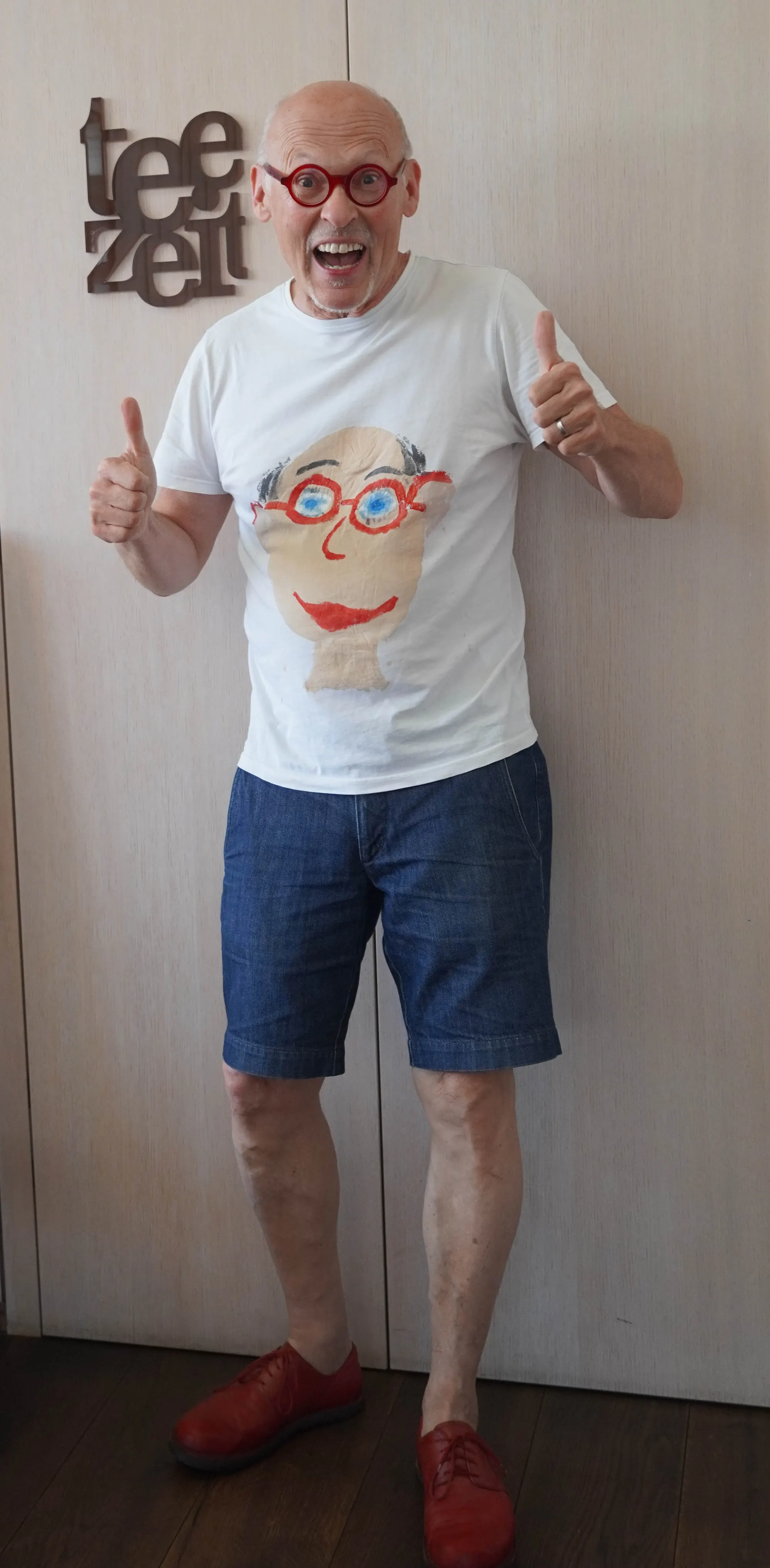
In 2011 Gutmann was looking for a way to account for the company’s commitments. Sustainability reports were everywhere, and a major oil company had just won an award for its own. “We no longer want to be measured by standards like these. The paper is worth more than the content,” he said. Sonnentor then published its first Economy for the Common Good report, a framework that reviews the whole company every two years. The latest covers the 2023-24 and 2024-25 financial years.
The same accounting applies to climate. Emissions at the Sprögnitz site have fallen by 43% since 2020-21, and a quarter of its electricity comes from the company’s own solar panels. The target is zero fossil emissions in Sprögnitz from 1 April 2028, and at every site by 2030. Ninety per cent of its packaging can go back into a recycling stream.
For a team, the visit starts in the halls where herbs are sorted, blended and packed. Sonnentor runs group tours all year round by appointment, about 70 minutes with a film and a tasting, serves group menus in its organic inn, the Leibspeis’, and offers seminars on alternative economics and sustainability. Zwettl, where the company rents out flats in a restored medieval house, is a quarter of an hour away.
Founded in 1988 with three farms, Sonnentor now works with around 1,000 organic farmers worldwide, about 80 of them in Austria and Germany on 430 hectares. It buys 66% of its raw materials direct, and a third comes from Austria. The company had revenue of around €67.5 million in the 2025-26 financial year, employs about 600 people, 310 of them in Sprögnitz, and sells some 900 products in around 60 countries. Emissions at its main site have fallen by 43% since 2020-21, and 90% of its packaging can be recycled.
Photos via Wikimedia Commons: Naturpuur (CC BY-SA 4.0, CC BY 4.0: 1 2 3 4 5).
Would you like to meet these people with your team? in:Expeditions designs tailor-made learning expeditions around places like this one.
 Or design it yourself with Agent A\lex →Learning expedition: Vienna, the city that houses everyone →