Coin Street houses its neighbours
“
On the south bank of the Thames, between Waterloo and Blackfriars bridges, residents defeated a plan, announced in 1977, for offices and Europe’s tallest hotel. In 1984 their social enterprise bought the site for £1 million. It has since built 220 cooperative homes, paid for by the rents from its shops and restaurants, including those at the Oxo Tower.
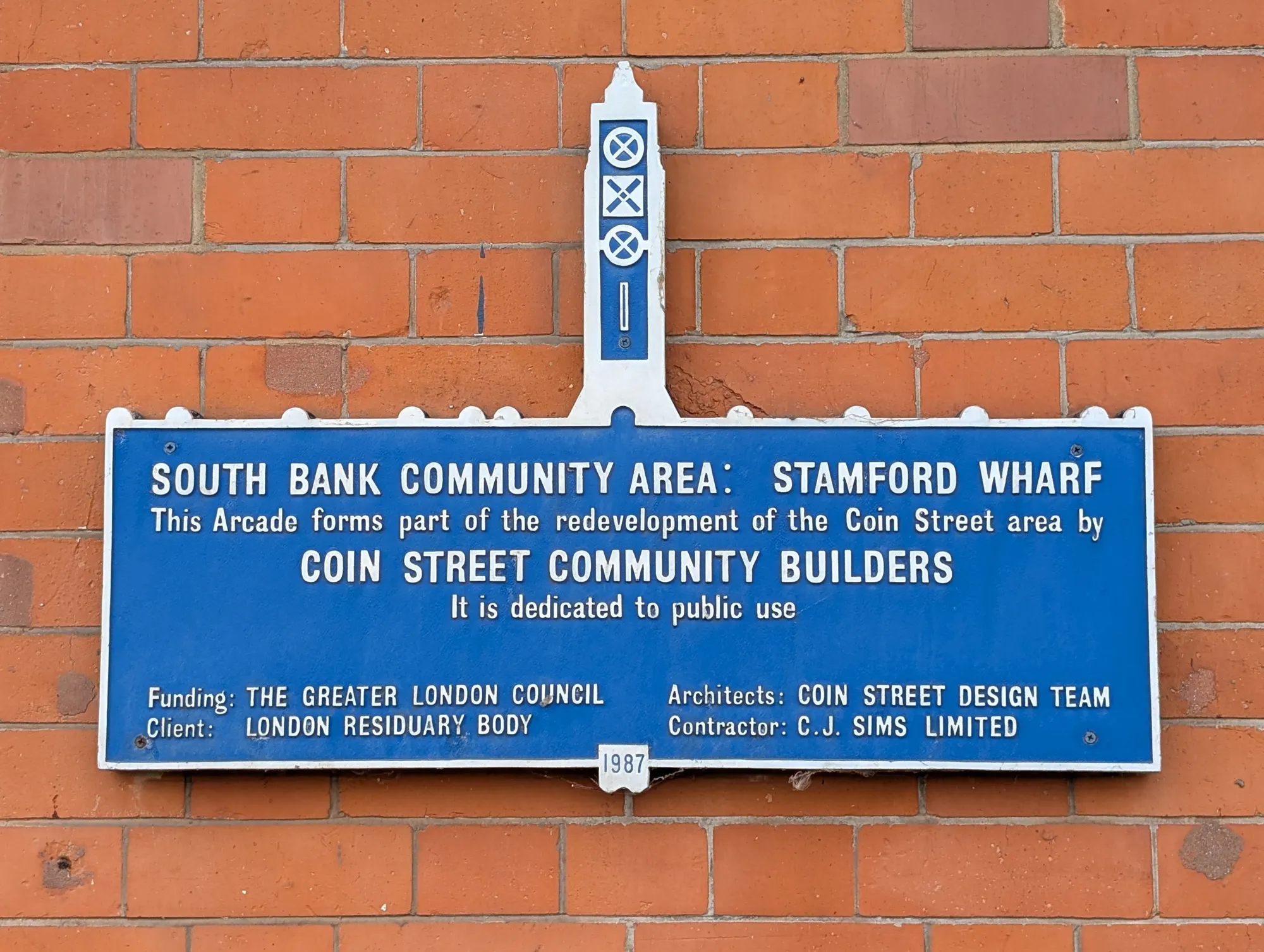
By the early 1970s Waterloo had emptied. Offices had replaced homes, the resident population had fallen from 50,000 to 4,500, and schools and shops had closed. In 1977 a scheme proposed Europe’s tallest hotel and more than a million square feet of offices on the riverside. Residents founded the Coin Street Action Group and drew up their own plan: homes, a park and a riverside walk.
Seven years of campaigning and two public inquiries followed. In 1981 the Greater London Council switched sides. In 1984 Coin Street Community Builders, a company with no shareholders whose members must live locally, bought the 13 acres from it for £1 million of borrowed money. By 1988 it had cleared the derelict buildings, opened the riverside walk and laid out Bernie Spain Gardens, named after a campaigner who died in 1984.
The homes came next, as cooperatives: Mulberry in 1988, Palm in 1994, Redwood in 1995 and Iroko in 2001. Each belongs to its tenants, with no right to buy; it is one member, one vote, and the co-op sets rents and allocates homes. Half the vacancies at Palm, Redwood and Iroko go to households nominated by Lambeth and Southwark councils.

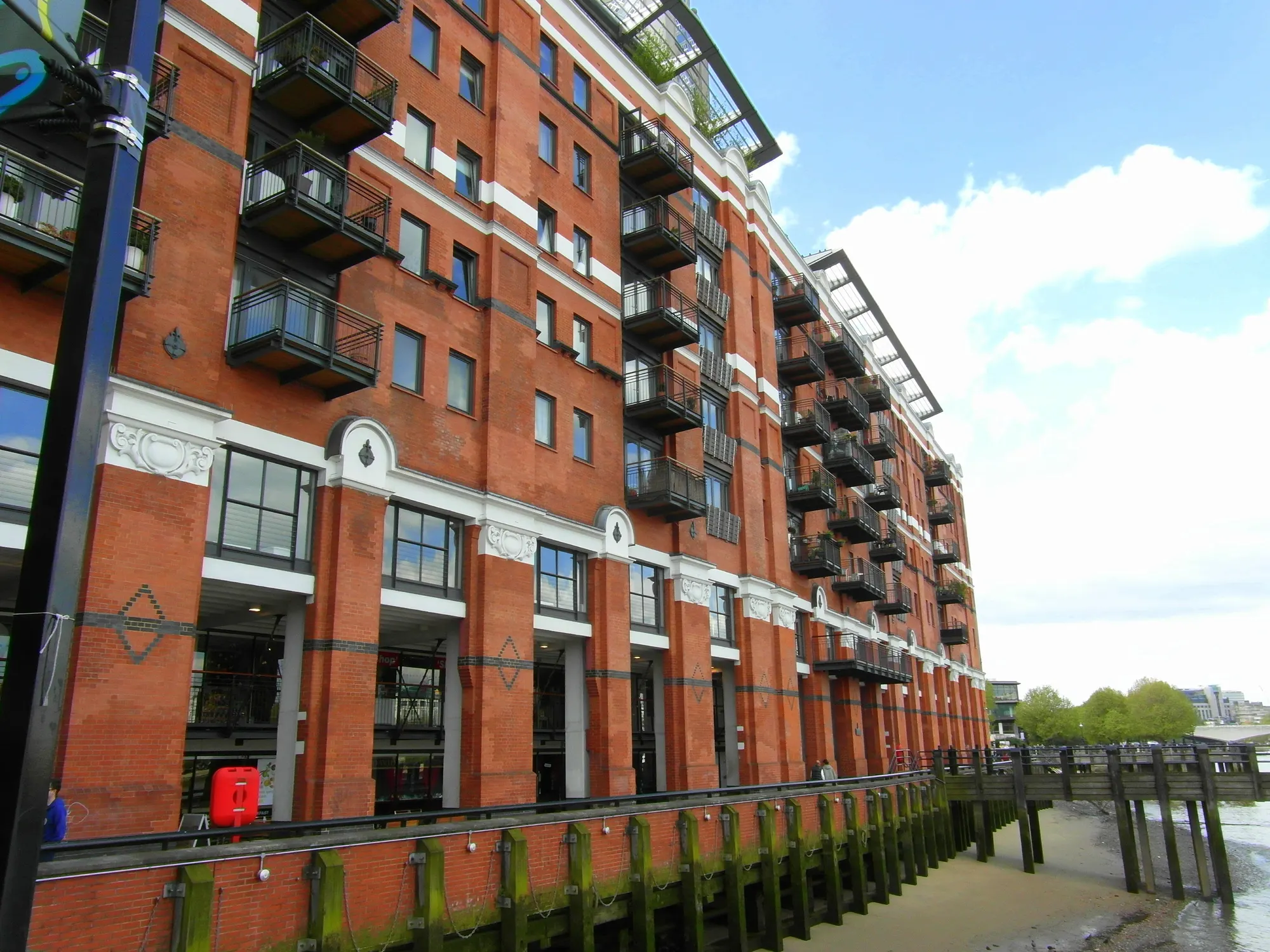
The model is easiest to see at the Oxo Tower, a former power station bought in the late 1920s by the maker of Oxo stock cubes, whose windows spell out the brand to get around a ban on skyline advertising. Refurbished for £20 million, it reopened in 1996 with designer-maker studios and a rooftop restaurant above Redwood’s 78 flats. More than three quarters of Coin Street’s income comes from these rents and from venue hire, which pay for the nursery, the family centre and the gardens.
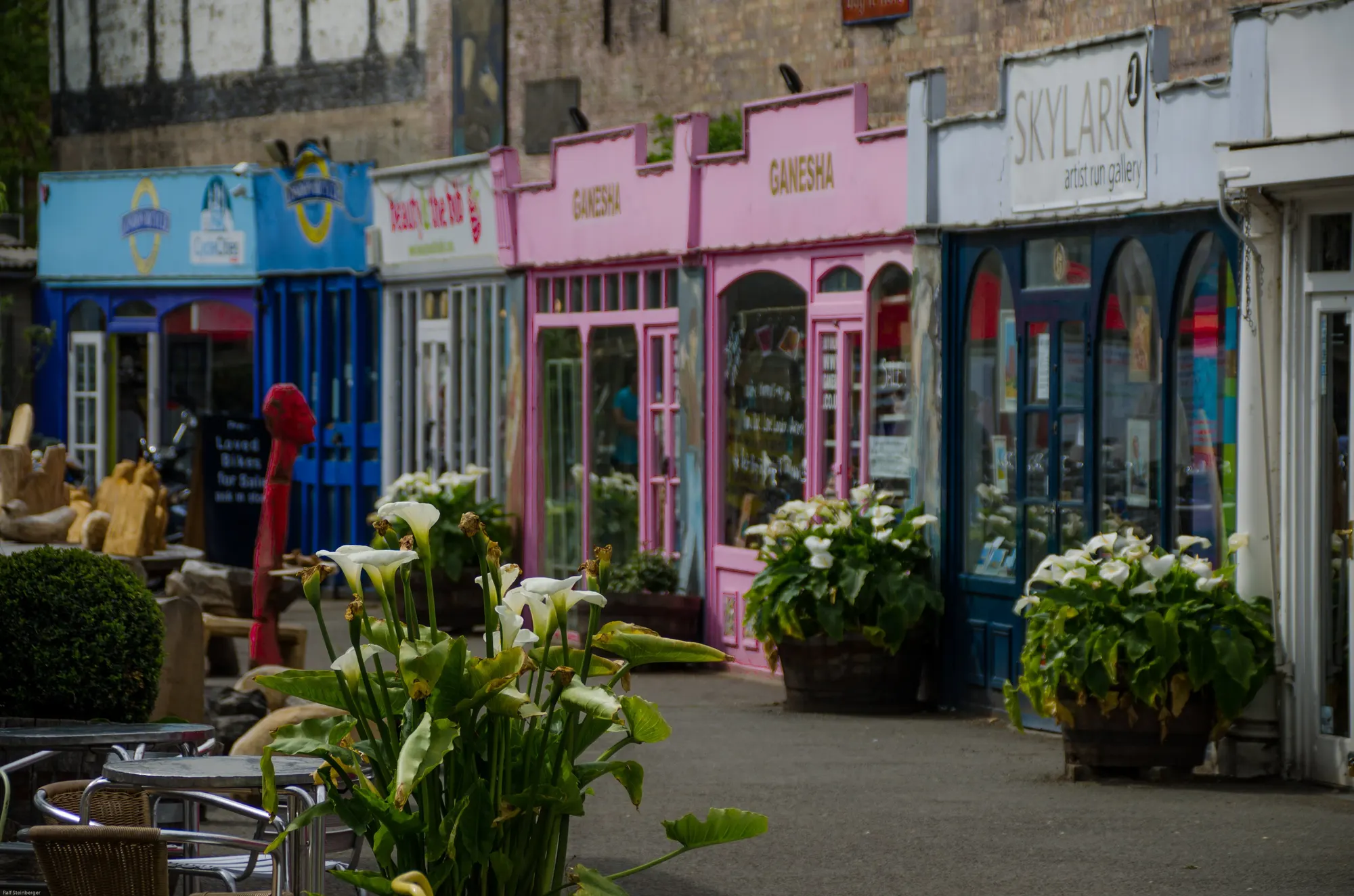
The model has its limits. Gabriel’s Wharf, a row of shops opened in 1988 in prefabricated garage units, closed on 27 September 2026 because the units had reached the end of their life. On Doon Street a tower of homes for sale is meant to pay for a public swimming pool; its 2008 planning consent was challenged all the way to the Supreme Court. Iain Tuckett, the organisation’s long-serving leader, steps down this autumn: “We have demonstrated what can be achieved when communities are empowered to shape the places where they live and work.”
Coin Street offers free guided tours of its neighbourhood, lasting about 75 minutes, for groups of 5 to 15 people, on request. It suggests a donation of £20 per person from businesses. The site is a five-minute walk from Waterloo station.
Coin Street Community Builders owns a 13-acre site (about 5.3 hectares), bought for £1 million in 1984 with loans that have since been repaid. Its four cooperatives have 220 homes at social rents, housing more than 1,000 people in 2019. In the year to March 2018 the organisation earned £11.06 million, more than three quarters of it from commercial activity; 41% of its spending goes on community services and public space and 17% on the cooperatives. Around 1,000 people work in more than 60 businesses on the site, including some 30 designer-maker studios at Oxo Tower Wharf.
Photos: Tom Page, Wikimedia Commons (CC BY-SA 4.0: 1) ; Ralf Steinberger, Wikimedia Commons (CC BY 2.0: 2) ; The wub, Wikimedia Commons (CC BY-SA 4.0: 3) ; Reading Tom, Wikimedia Commons (CC BY 2.0: 4) ; Rainer Halama, Wikimedia Commons (CC BY-SA 3.0: 5).
Would you like to meet these people with your team? in:Expeditions designs tailor-made learning expeditions around places like this one.
 Or design it yourself with Agent A\lex →What is a learning expedition? →