ThemesAdaptation/Mutation · Ecological transition · Hybridizations of spaces
This learning expedition is tailor-made for your group: length, encounters and pace.
Request a programme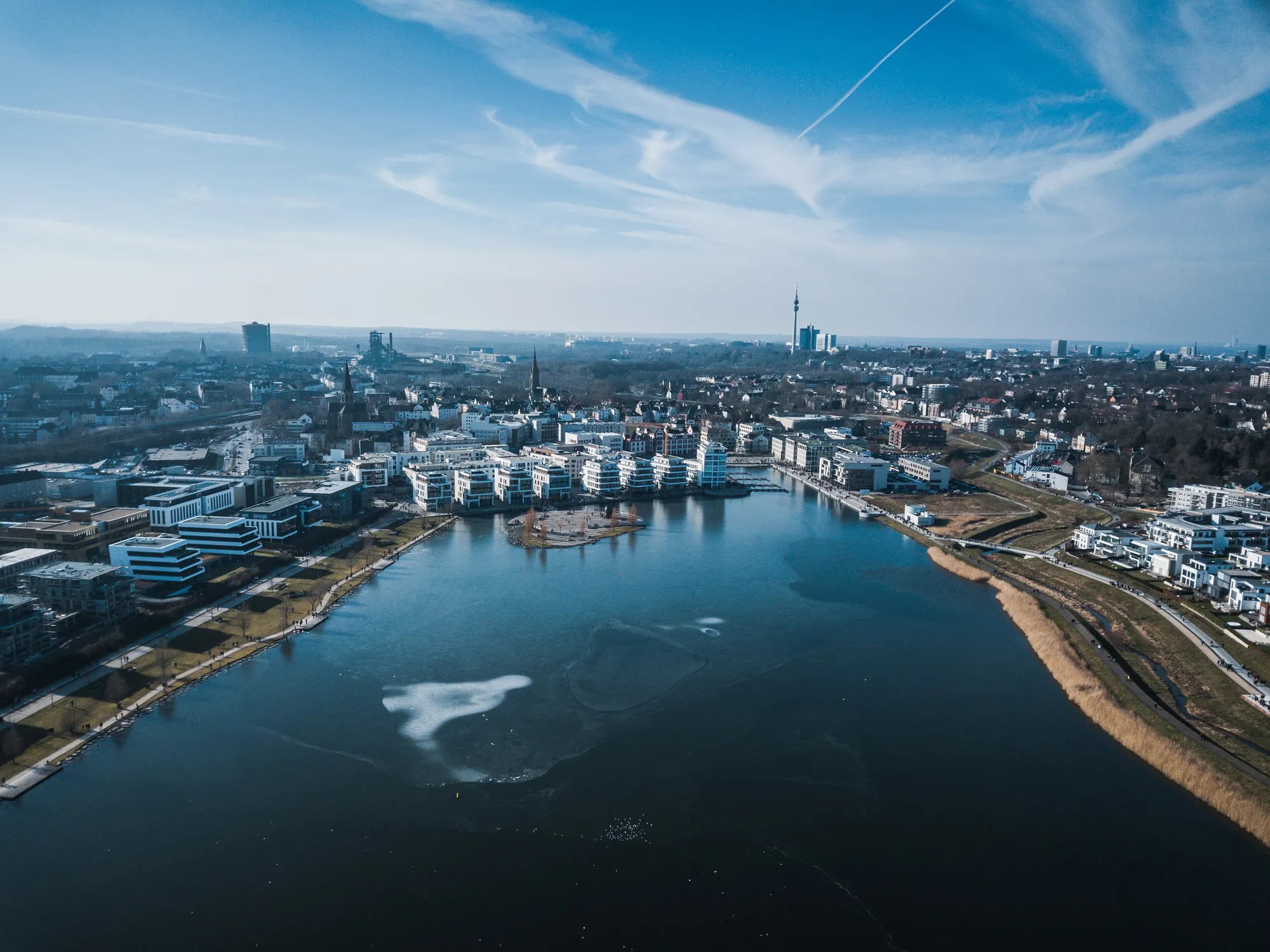
On 21 December 2018, in Bottrop, the miners of Prosper-Haniel handed the last lump of coal to Germany’s federal president: the country was closing its last hard coal mine, after two centuries of industrial mining. The Ruhr had started its conversion long before. Closed in 1986, the Zollverein colliery in Essen has been a UNESCO World Heritage Site since 2001. From 1989 to 1999, the IBA Emscher Park international building exhibition turned derelict sites into parks and public places. Over some thirty years, the Emschergenossenschaft invested about 5.5 billion euros to take the sewage out of the Emscher, an 85-kilometre river that had served as an open sewer for 170 years; the end of all discharges was announced in early 2022. For a leadership team, the Ruhr shows what a transformation carried through over a generation demands.
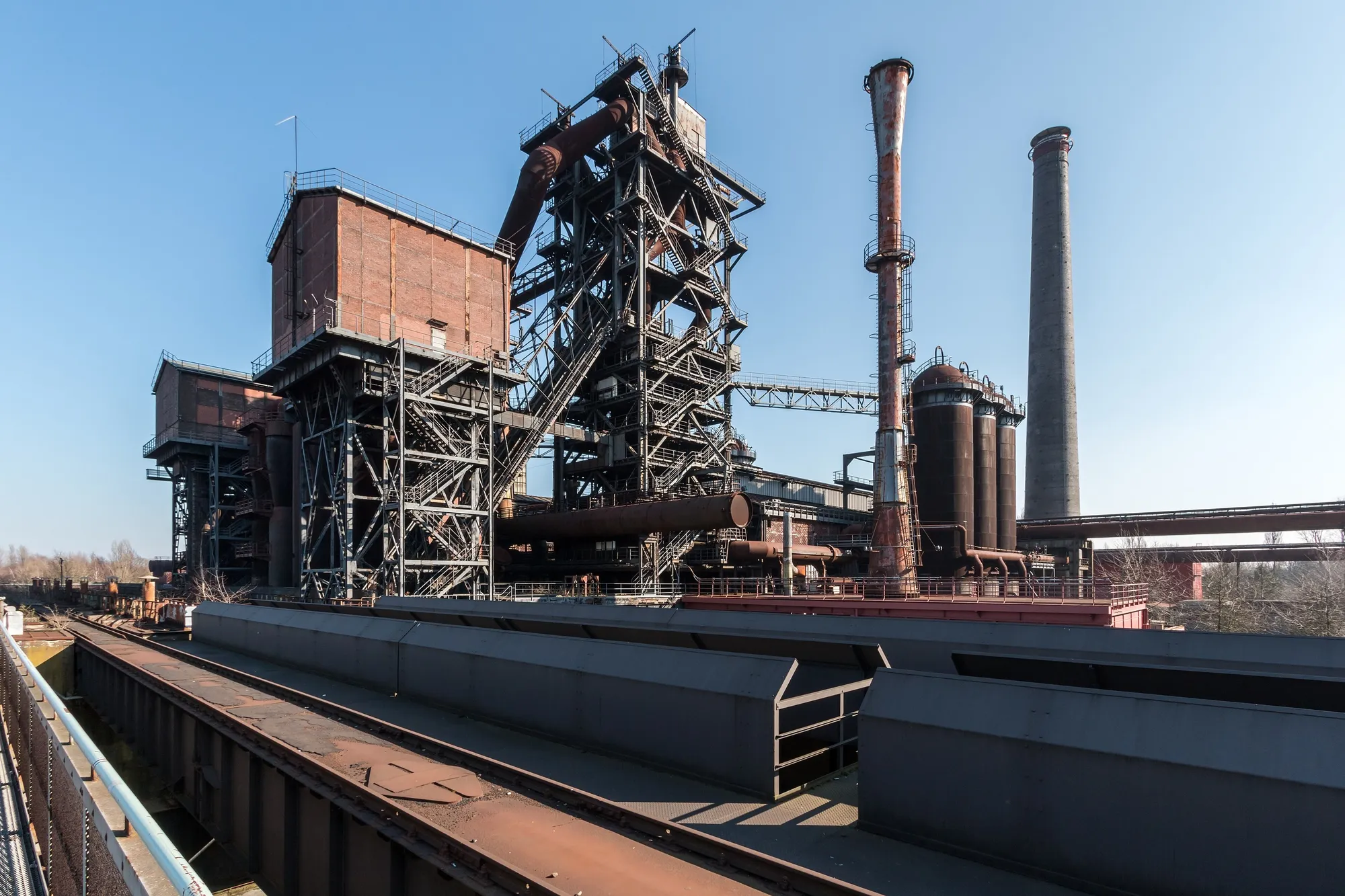
In Duisburg, the Meiderich works produced pig iron from 1901 to 1985. Saved from demolition by local residents, it became, through the IBA Emscher Park, a park of about 180 hectares designed by landscape architect Peter Latz, who kept most of the plant standing. Visitors climb the old ore bunkers, dive in the gasometer and go up to the top of blast furnace 5; around a million people come every year. The visitor centre runs guided tours of the works.
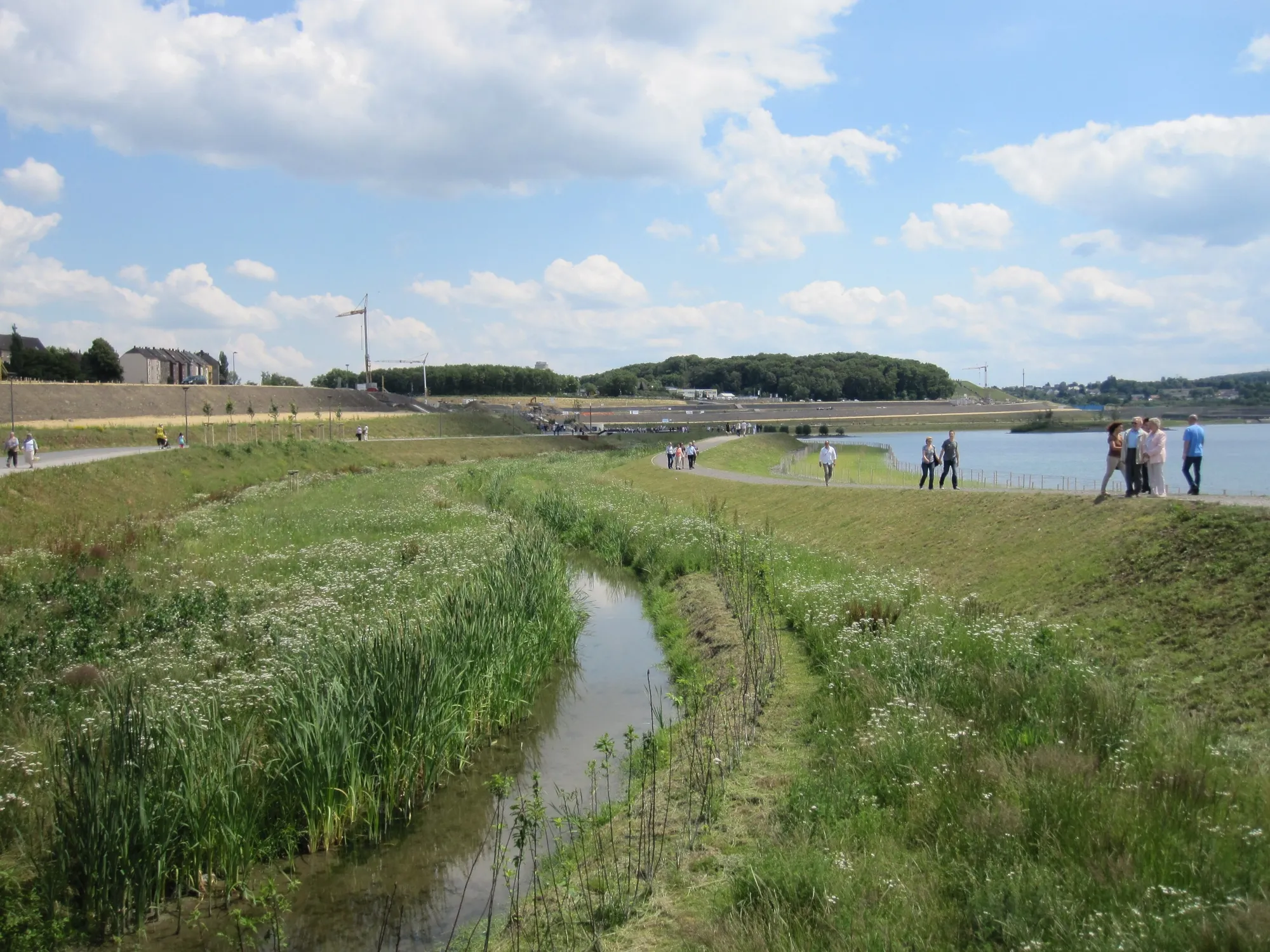
In Dortmund-Hörde, steel was made for almost 160 years, until 2001. On the site of the Phoenix-Ost steelworks, the city dug a 24-hectare lake, flooded from 1 October 2010 and opened to the public in May 2011. The Emscher valley, filled in during industrialisation, has largely been uncovered, and the river flows in the open again along the northern shore. Around the lake there are about 1,500 homes and nearly 5,000 jobs; the project won the German Urban Planning Award in 2018, and experts from other industrial regions regularly come to study it.
In 2010, Bottrop, a mining town of 117,000 people, beat sixteen other cities to win the InnovationCity competition, launched by the Initiativkreis Ruhr, an alliance of the region’s large companies. In the pilot area, home to 70,000 people, CO2 emissions fell by 50.09% between 2010 and 2020: 36.6% of homes there were renovated, at a rate of 3.3% a year, and nearly 4,000 free energy consultations were given. The company that ran the project, Innovation City Management, has hosted delegations of local officials and groups of students; since October 2025 it has belonged to GREENZERO.
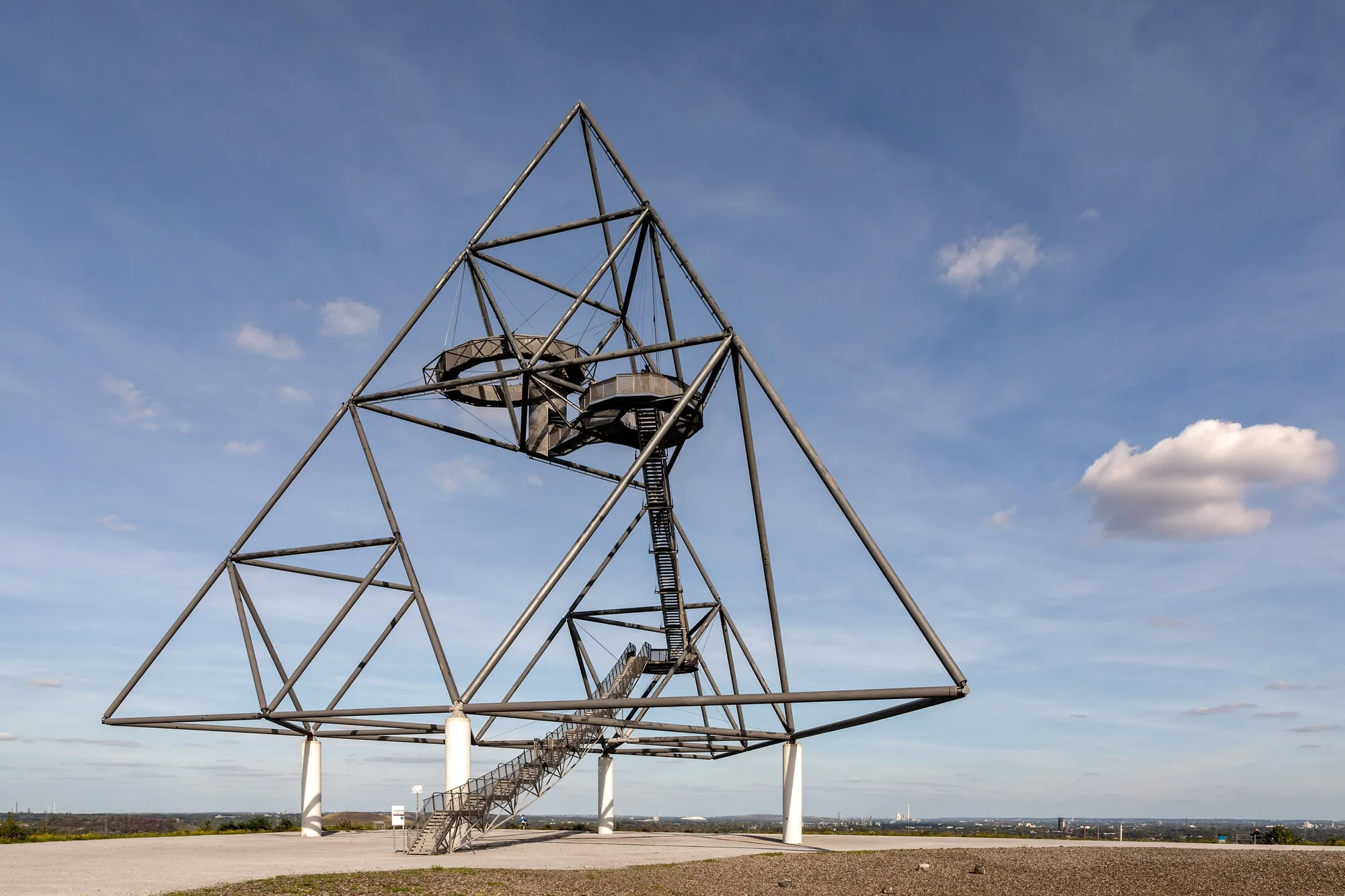
Photo credits : Lucas Jantz, Dietmar Rabich, Helfmann, Anil Öztas (Wikimedia)


 Agent A\lex