Source: the venue’s website, checked on 01/11/2026.
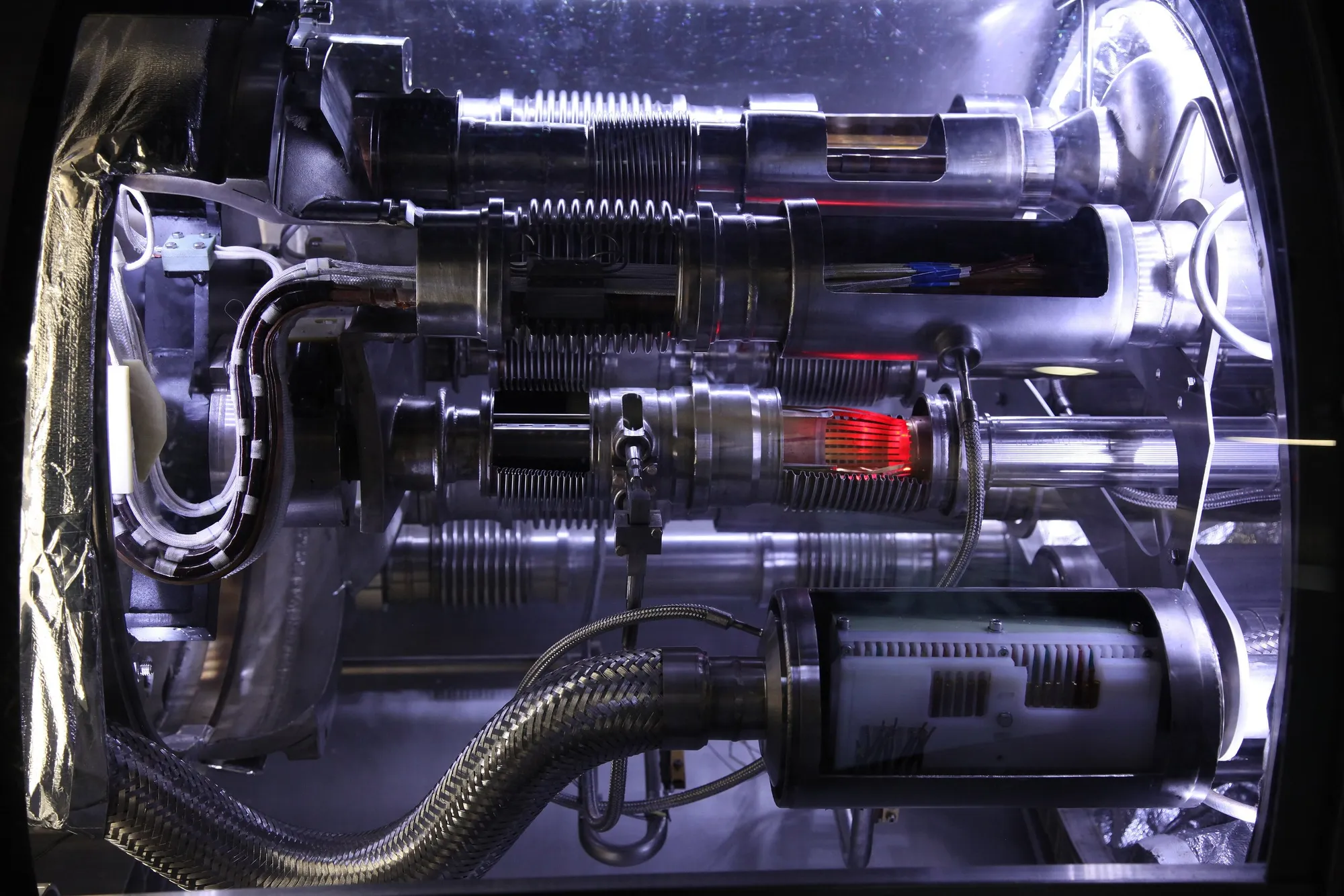
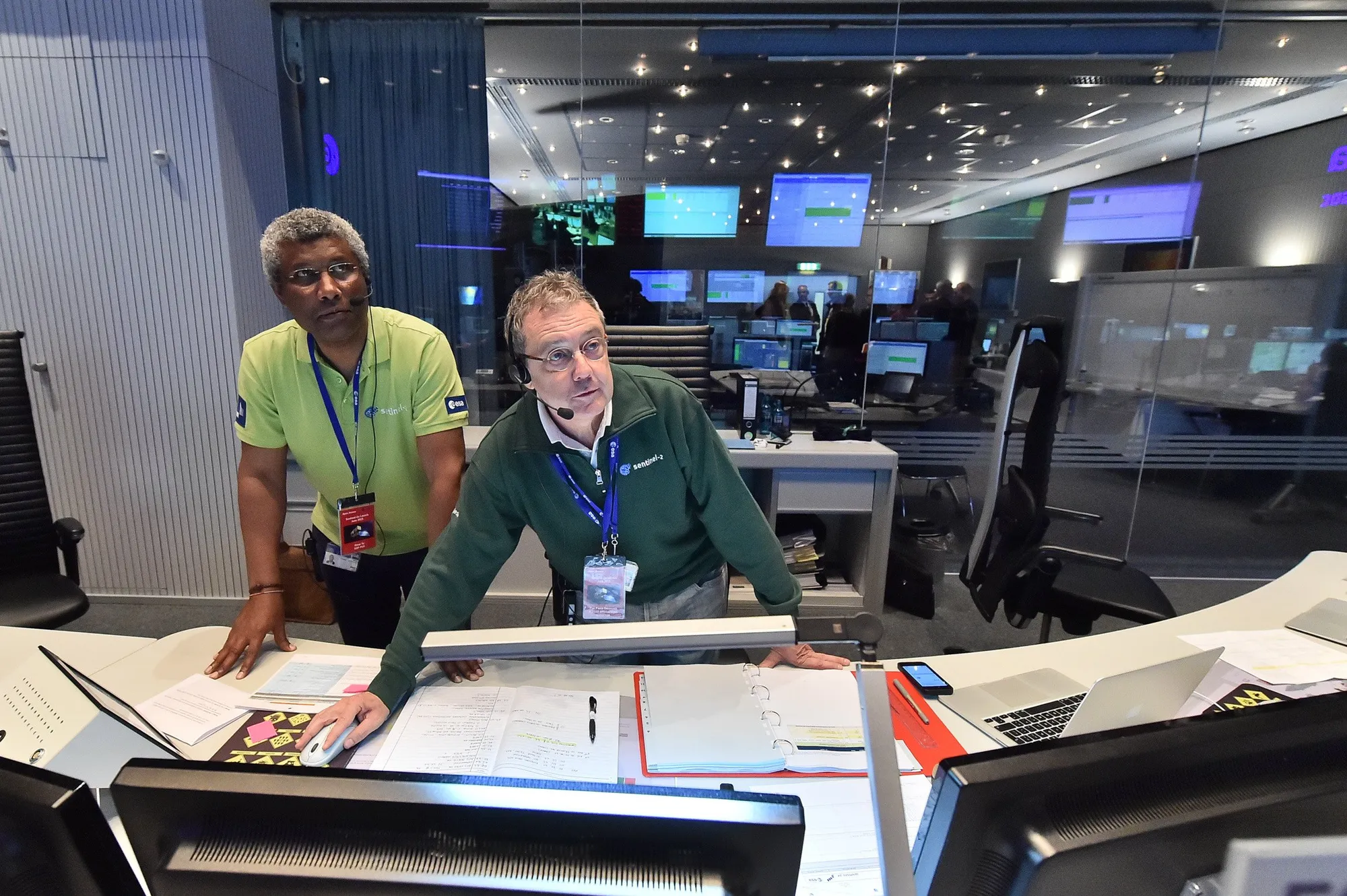
On the edge of Geneva, CERN was founded in 1954, one of Europe’s first joint ventures. Today it brings together 24 member states and a community of more than 100 nationalities around the world’s largest scientific instruments, to understand what matter is made of.
“
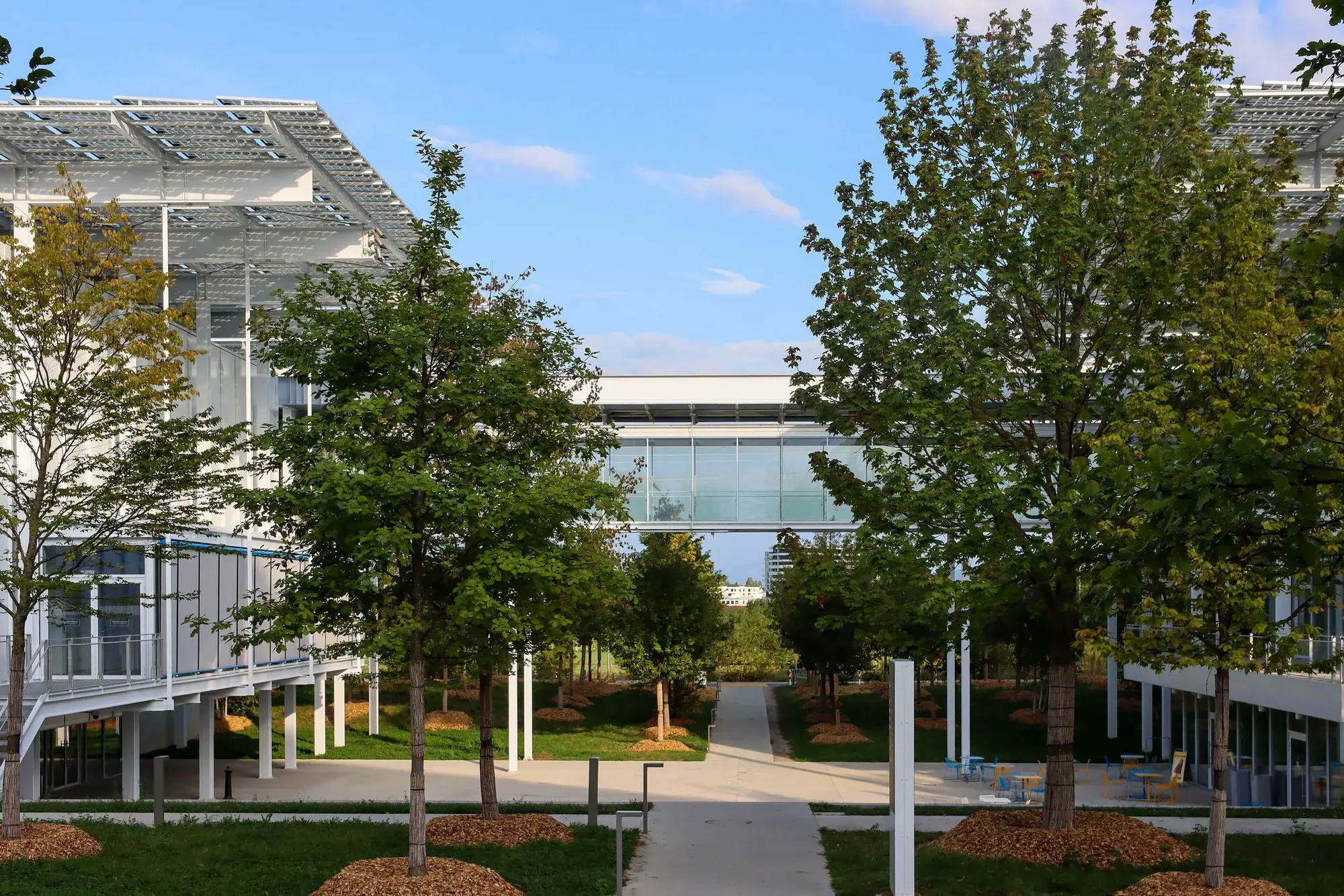
This is where Tim Berners-Lee proposed, in March 1989, the information system that became the Web. On 30 April 1993 CERN relinquished all rights to the code and let anyone use, copy and modify it. The Science Gateway exhibitions and guided tours are free. A team sees how researchers of more than a hundred nationalities run the same machines together, and what the decision to give the Web to everyone changed.
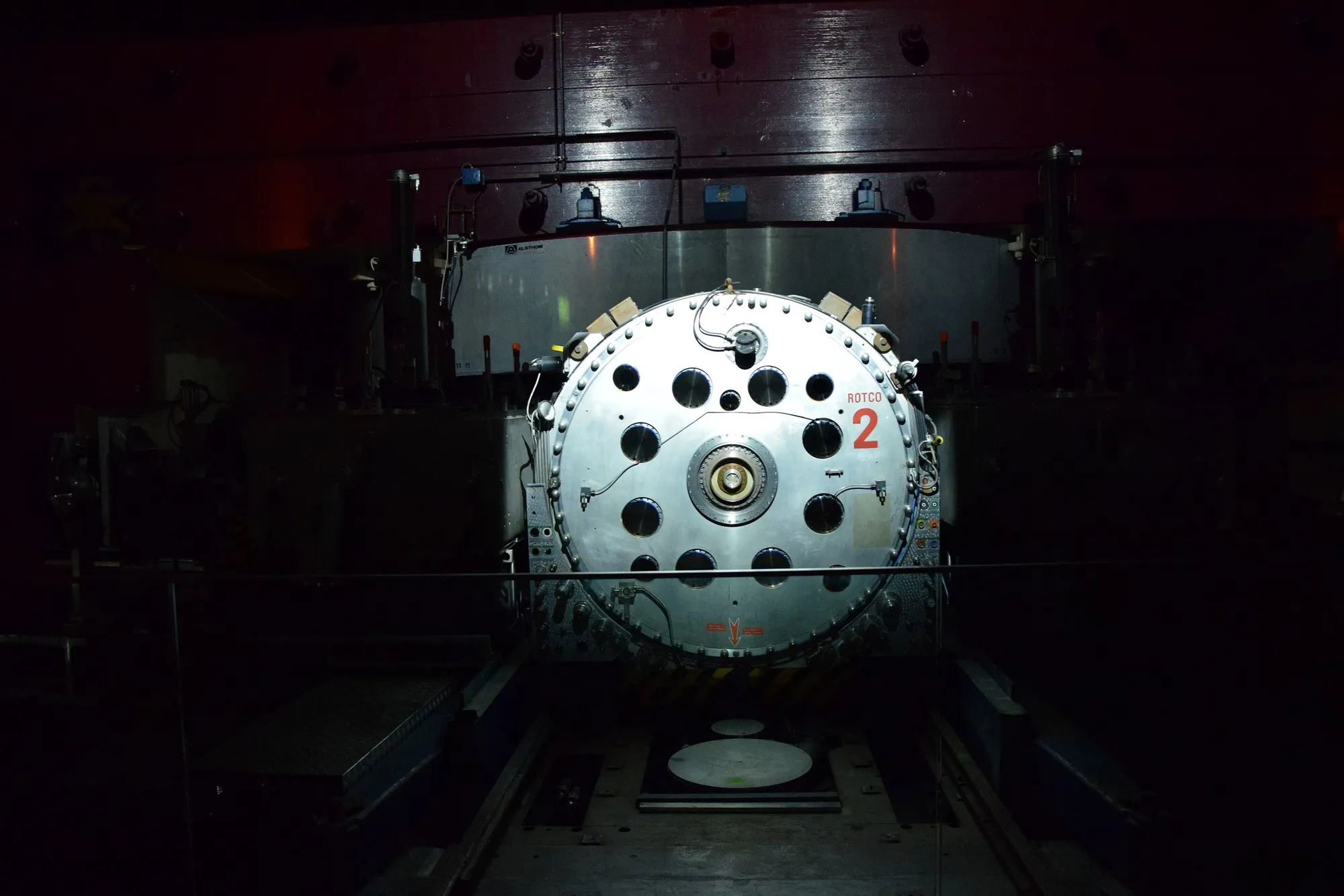
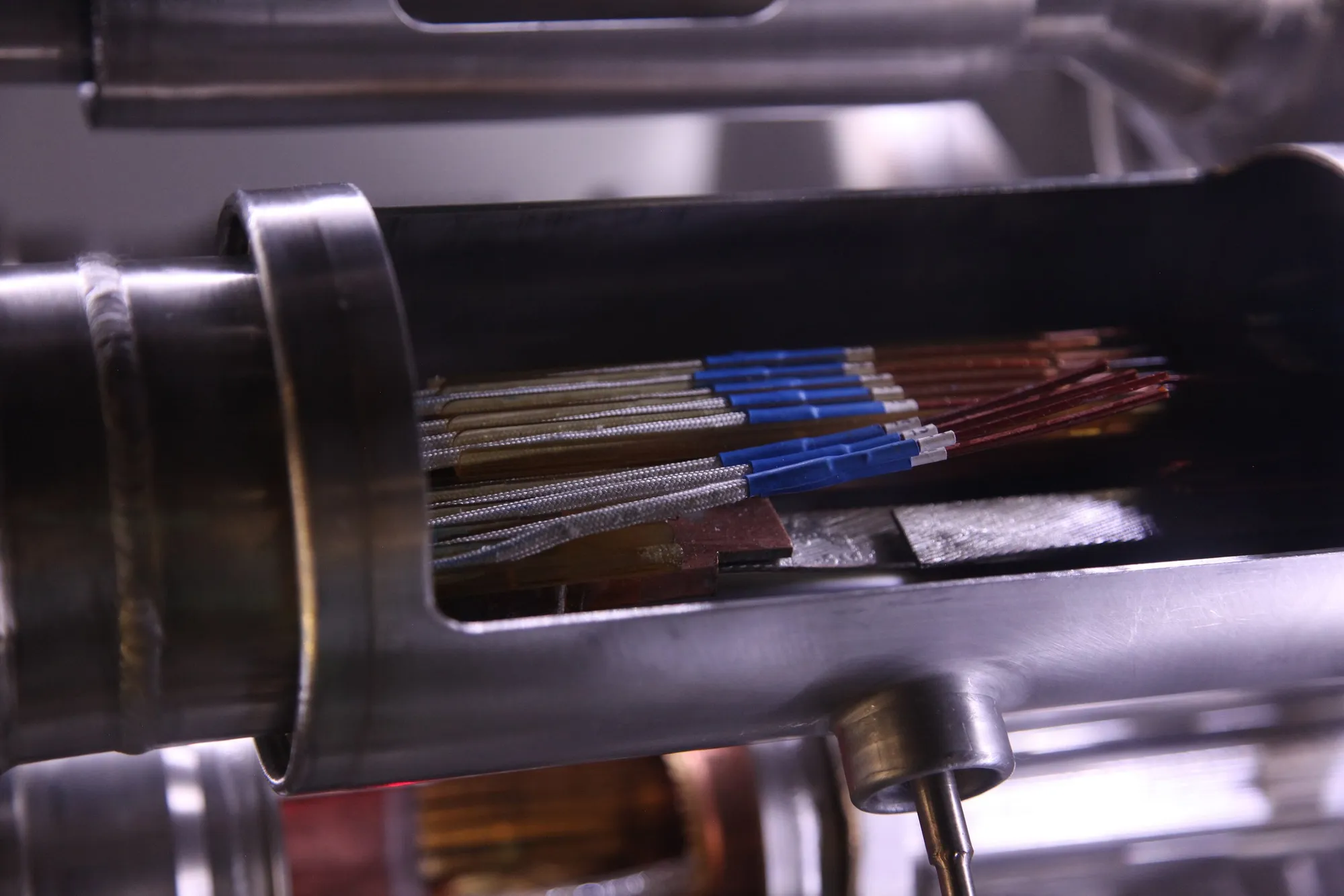
Groups of 12 to 48 book online, well in advance: interactive exhibitions from age 8, guided tours from age 13, lasting two to three hours. The identity of every guided-tour visitor is required 21 days ahead. Everything is free. Tram 18 runs from Cornavin station to CERN in about 25 minutes; a coach park is reserved for groups.
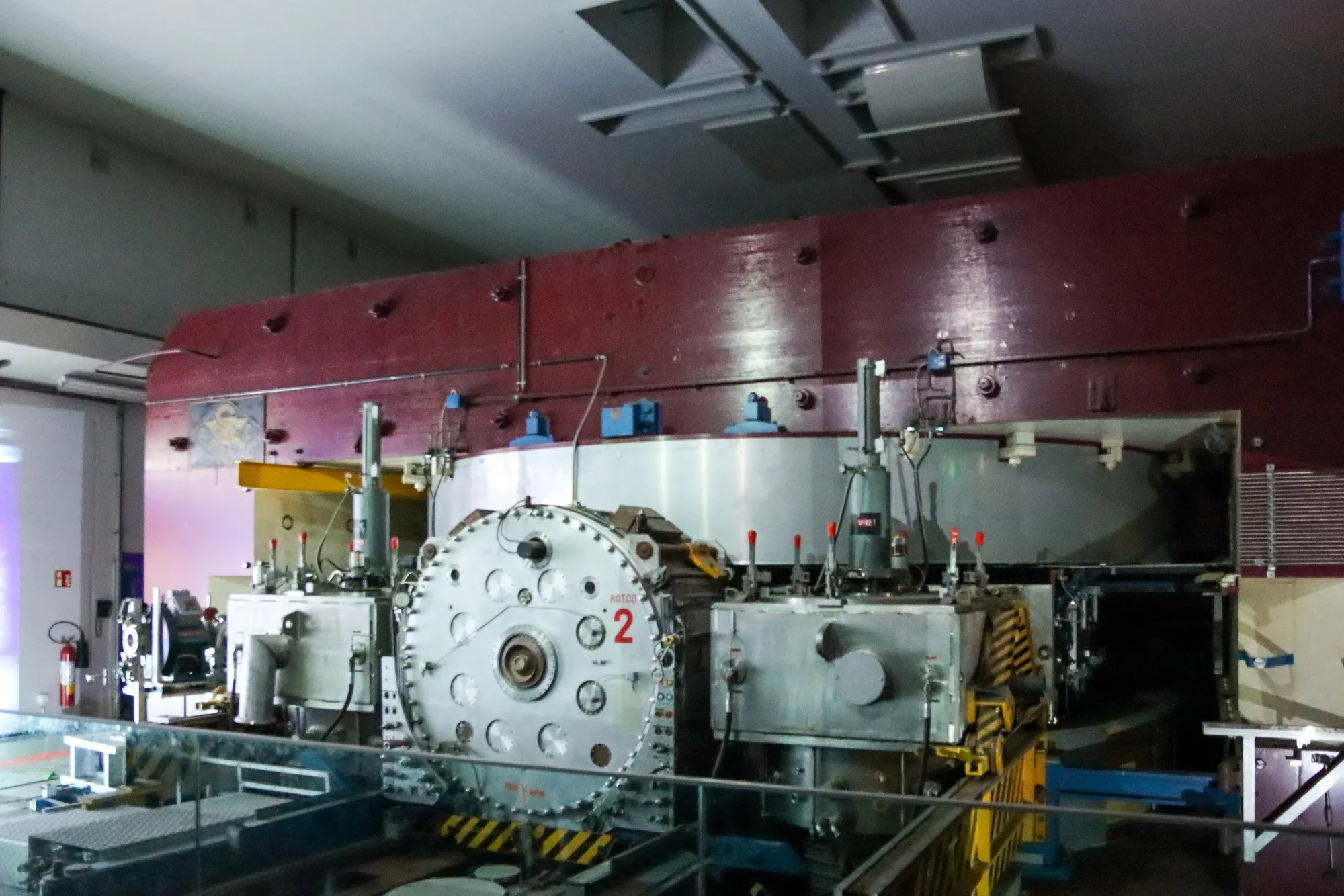
We design and lead a learning expedition that goes through this place. You can also design it yourself with Agent A\lex.
Photos: Mike Peel (Wikimedia Commons, CC BY-SA 4.0) ; Rama (Wikimedia Commons, CC BY-SA 3.0 FR) ; Ank Kumar (Wikimedia Commons, CC BY-SA 4.0)


 Agent A\lex