This learning expedition is tailor-made for your group: length, encounters and pace.
 Or design it yourself with Agent A\lex →
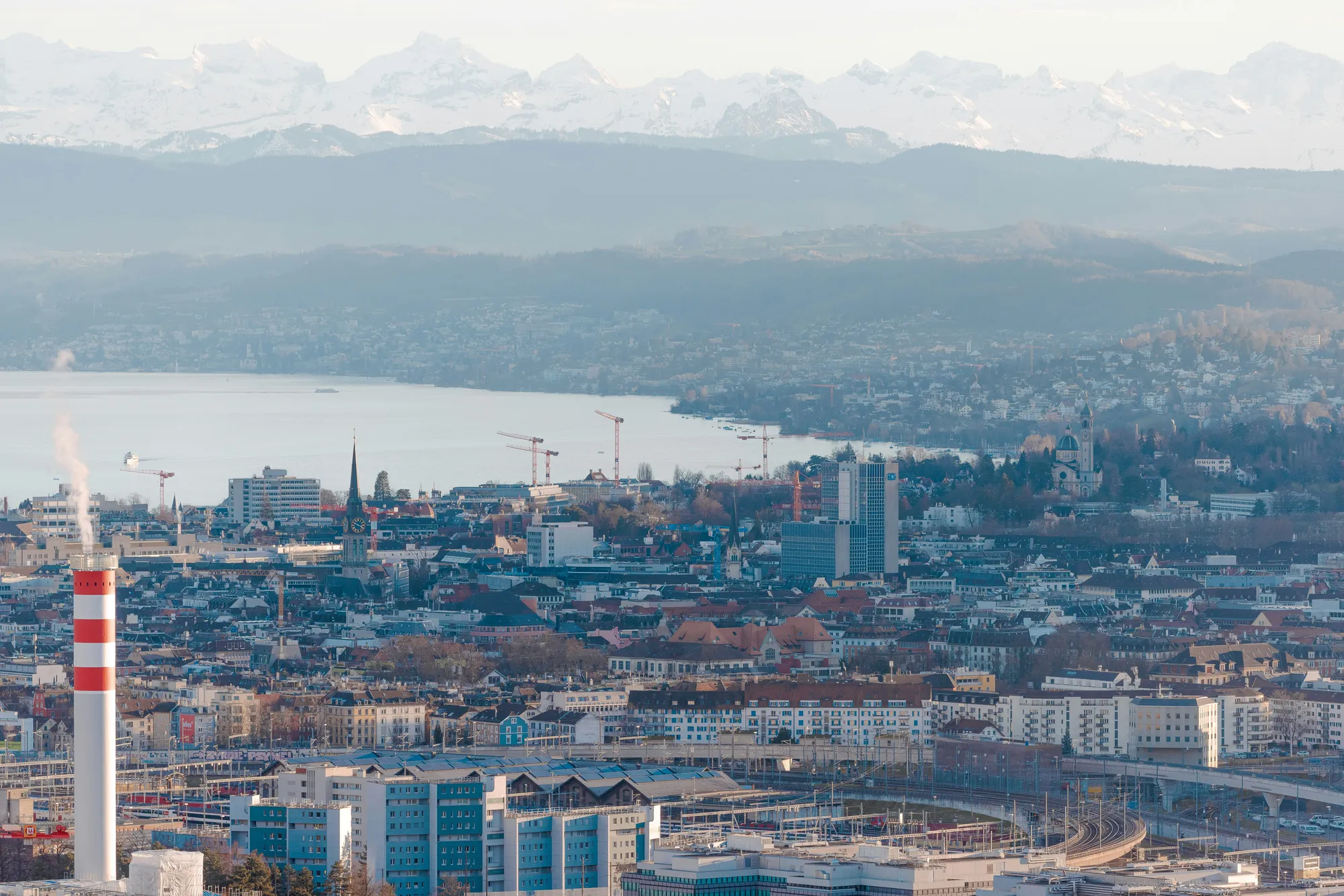
In 1993, two brothers in Zurich stitched a bag from a used truck tarpaulin; Freitag now employs about 220 people. In 2022, 75% of voters backed net zero by 2040 within the city limits, and the city is also targeting its indirect emissions, including those from building materials made elsewhere. In Winterthur, an industrial hall was extended upwards with reused components; in Hinwil, Climeworks switched on its first commercial CO2 capture plant in 2017. For a company that makes, buys or builds, Zurich shows how to keep materials in circulation.
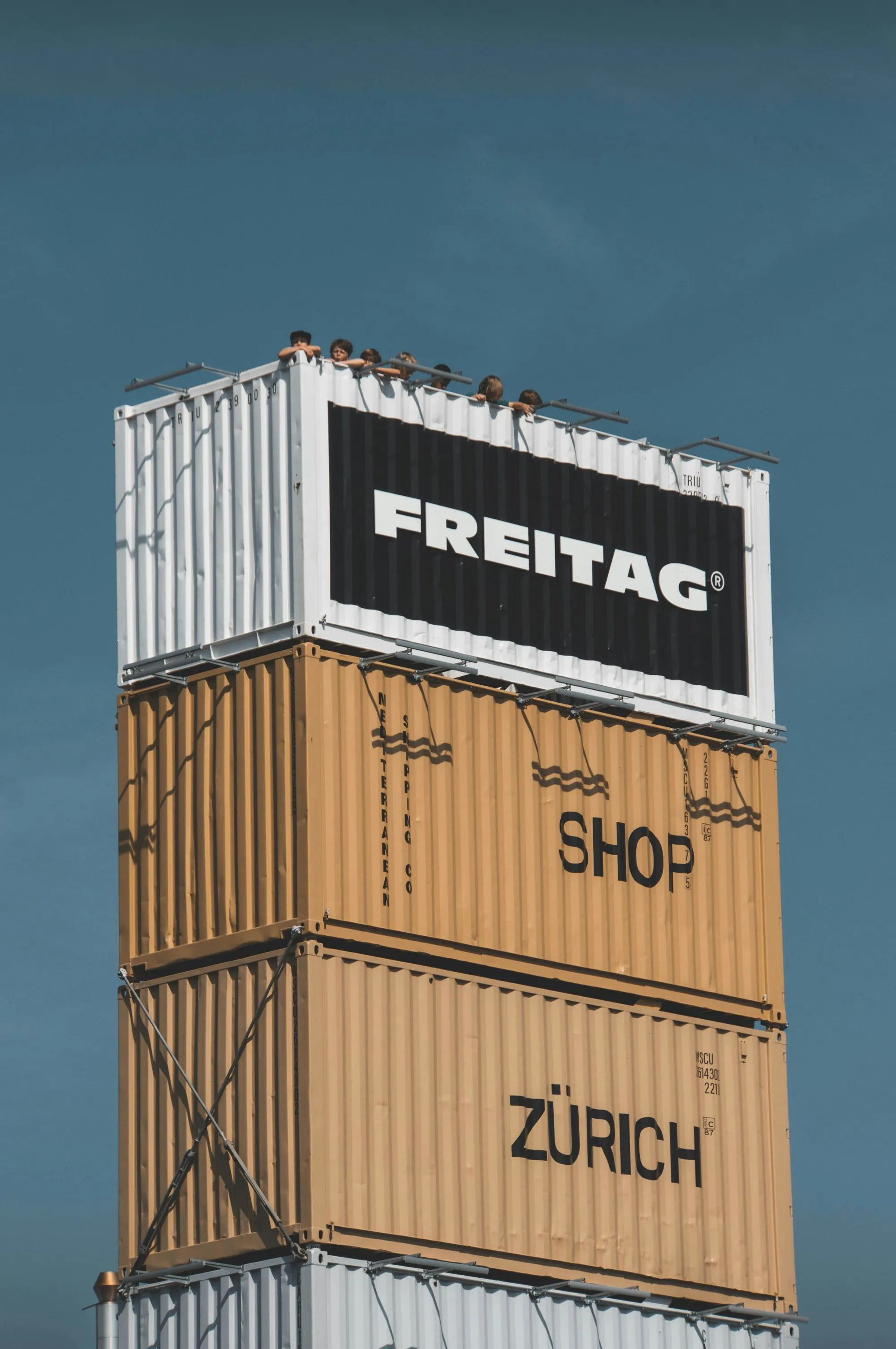
Since 1993, Freitag has made its bags from used truck tarpaulins. At Nœrd, its headquarters in Oerlikon, they are washed, partly with rainwater from the roof, then cut, and the company hosts groups of 10 to 25 people in four languages. Its flagship store, a tower of 19 containers, has stood by the Hardbrücke since 2006.
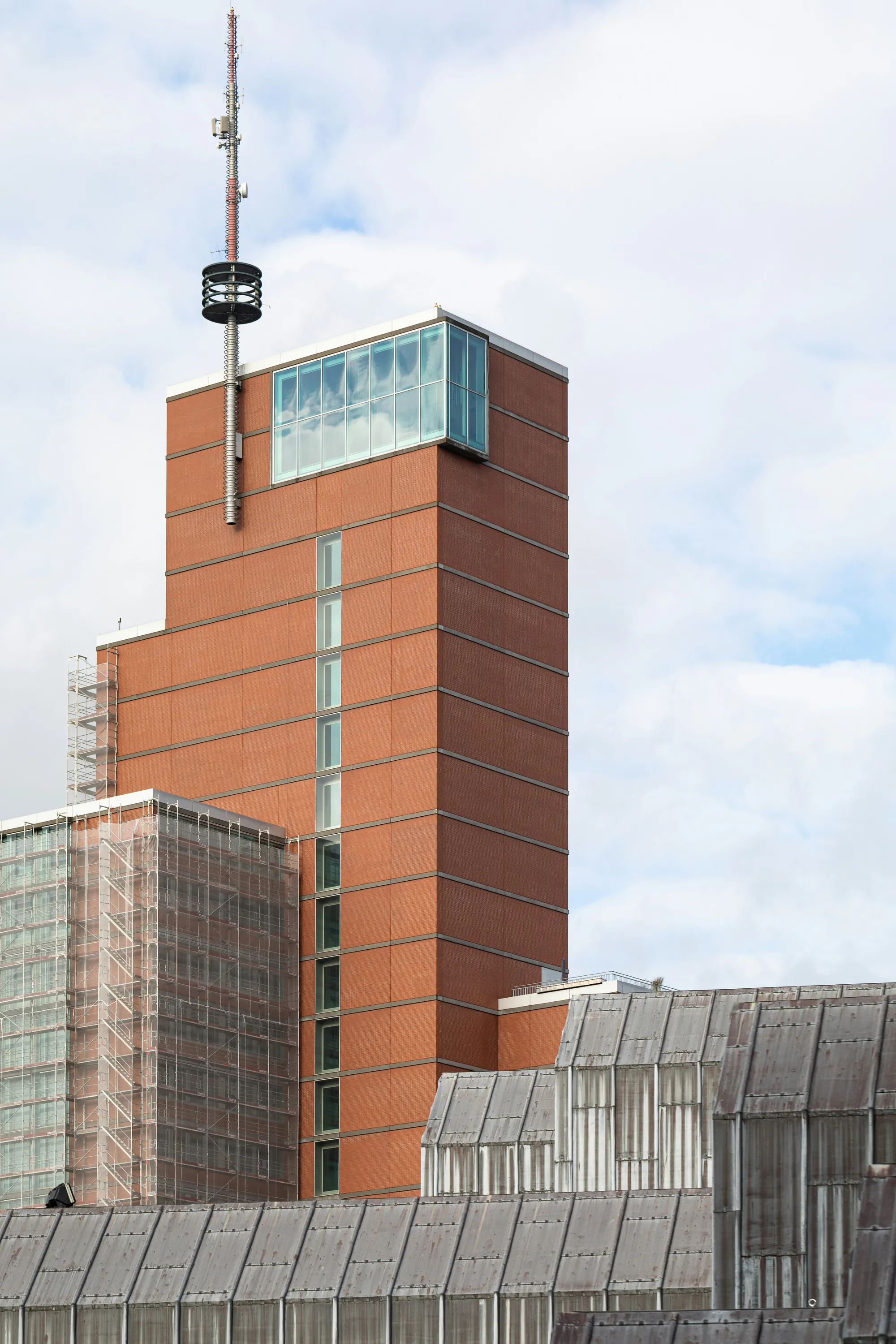
On the former Sulzer site in Winterthur, baubüro in situ added three storeys to Hall 118 in 2021 using reused components: the steel frame of a building dismantled in Basel, and the staircase, windows and granite of a Zurich office block. Compared with new components, about 60% of the greenhouse gas emissions were avoided.
Founded in 2009 by Jan Wurzbacher and Christoph Gebald, Climeworks captured its first milligrams of CO2 in an ETH Zurich laboratory. In late 2025, it opened an innovation centre in Zurich where more than 50 engineers, chemists and specialists work on cutting the cost of capture, together with an exhibition designed for visitors.
Photo credits : Henrique Ferreira, Sophie Cardinale, Pascal Meier, Thimo Pedersen (Unsplash)