This learning expedition is tailor-made for your group: length, encounters and pace.
 Or design it yourself with Agent A\lex →
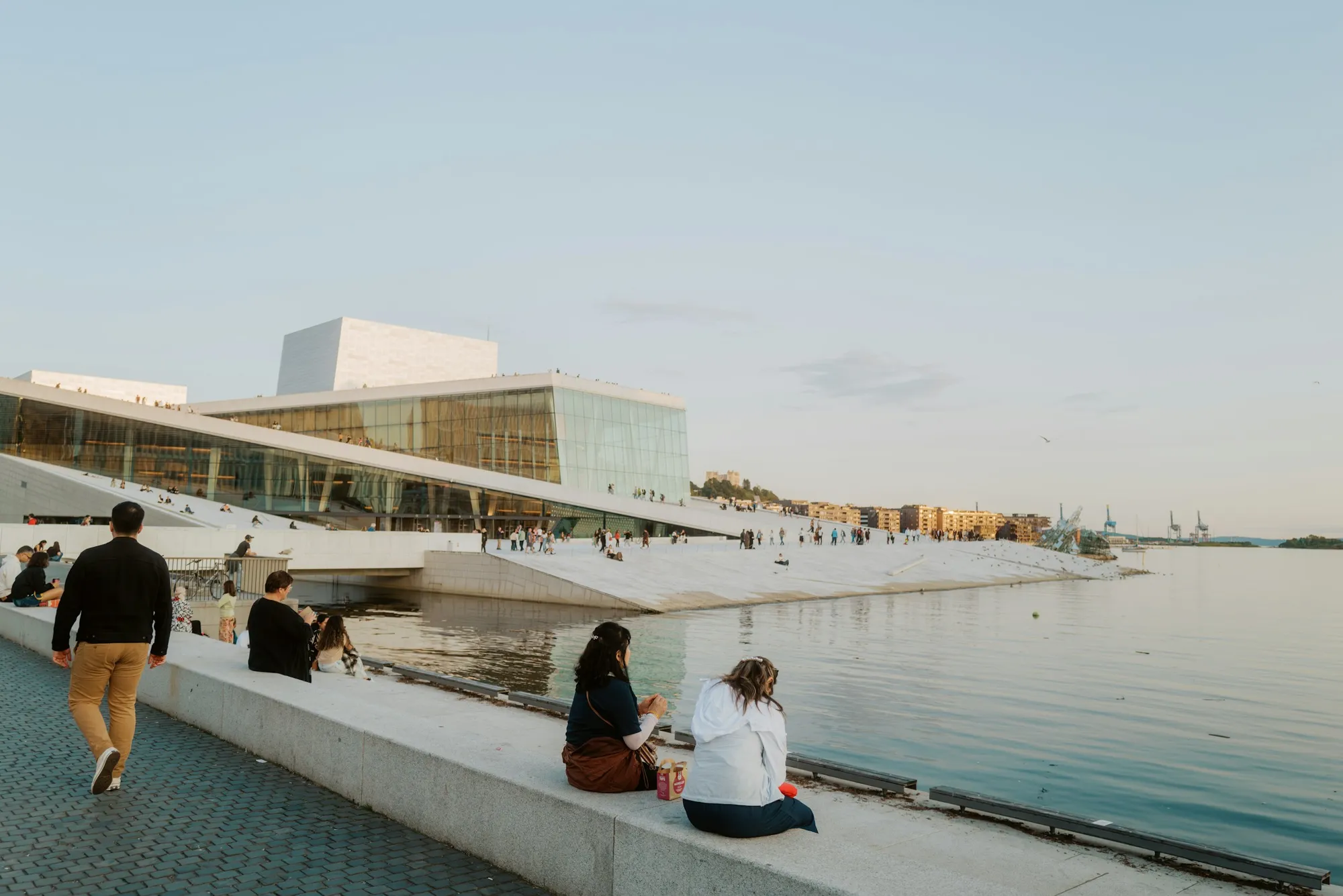
Since 2017, Oslo has drawn up a climate budget every year as part of its financial budget: each measure is assigned to a city department, which reports on it. The goal is to cut direct emissions by 95% by 2030 compared with 2009; by 2023 they were down 30%. The rest shows in the streets: 95.9% of new cars sold in Norway in 2025 were electric, the city has run around 180 zero-emission building sites since 2019 and removed some 760 parking spaces from the centre. For a leadership team, Oslo shows what a climate target becomes when it is steered with the tools of finance.
Oslo was the first municipality in Norway to draw up a climate budget, for 2017. Built into the financial budget, it assigns each measure to a department, which reports on it. In the 2026 edition, the city’s Climate Agency puts the cut achievable by 2030 with adopted measures at about 70%, and names the gap still to close. Study visits are arranged through the city’s International Office.
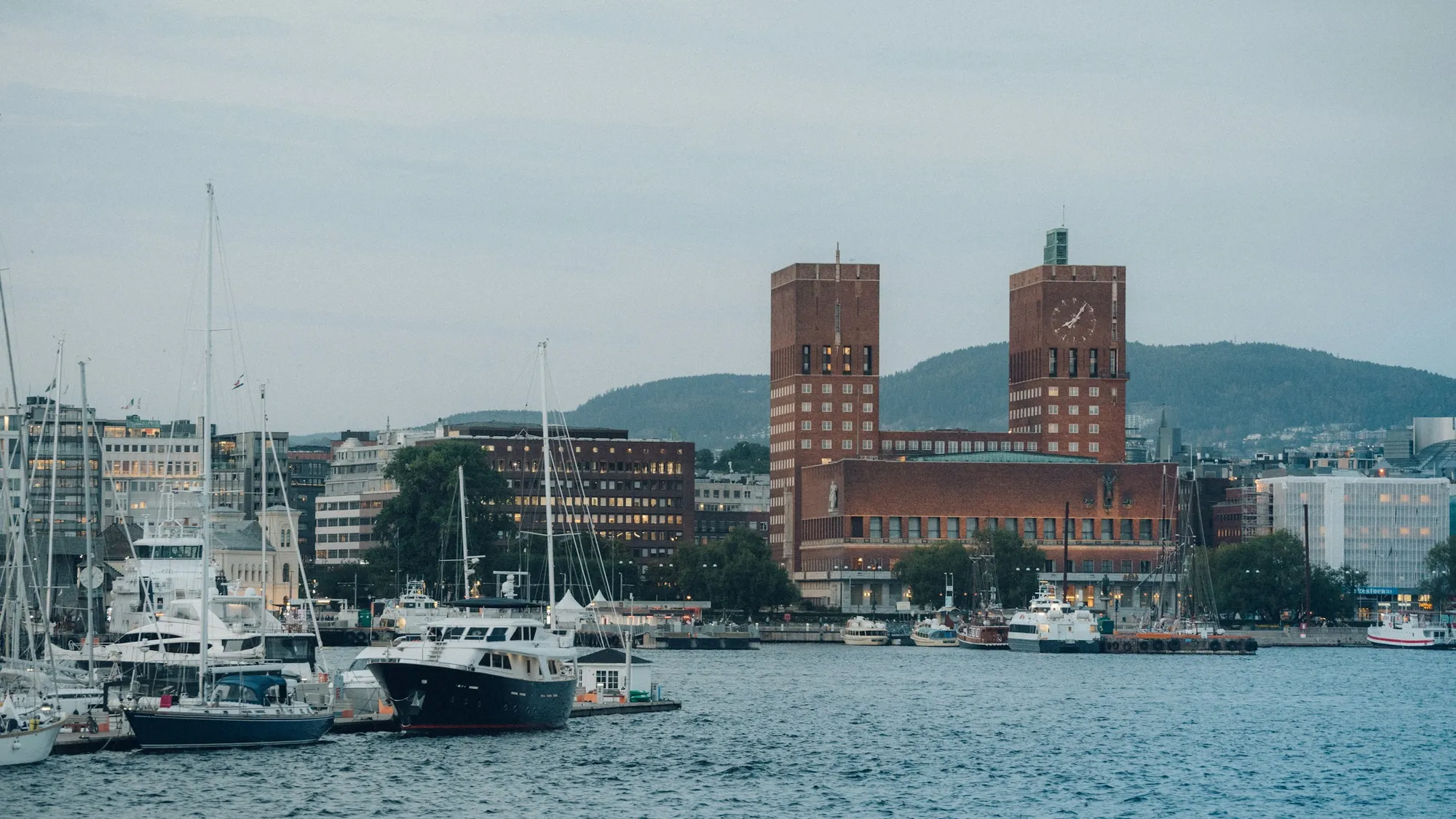
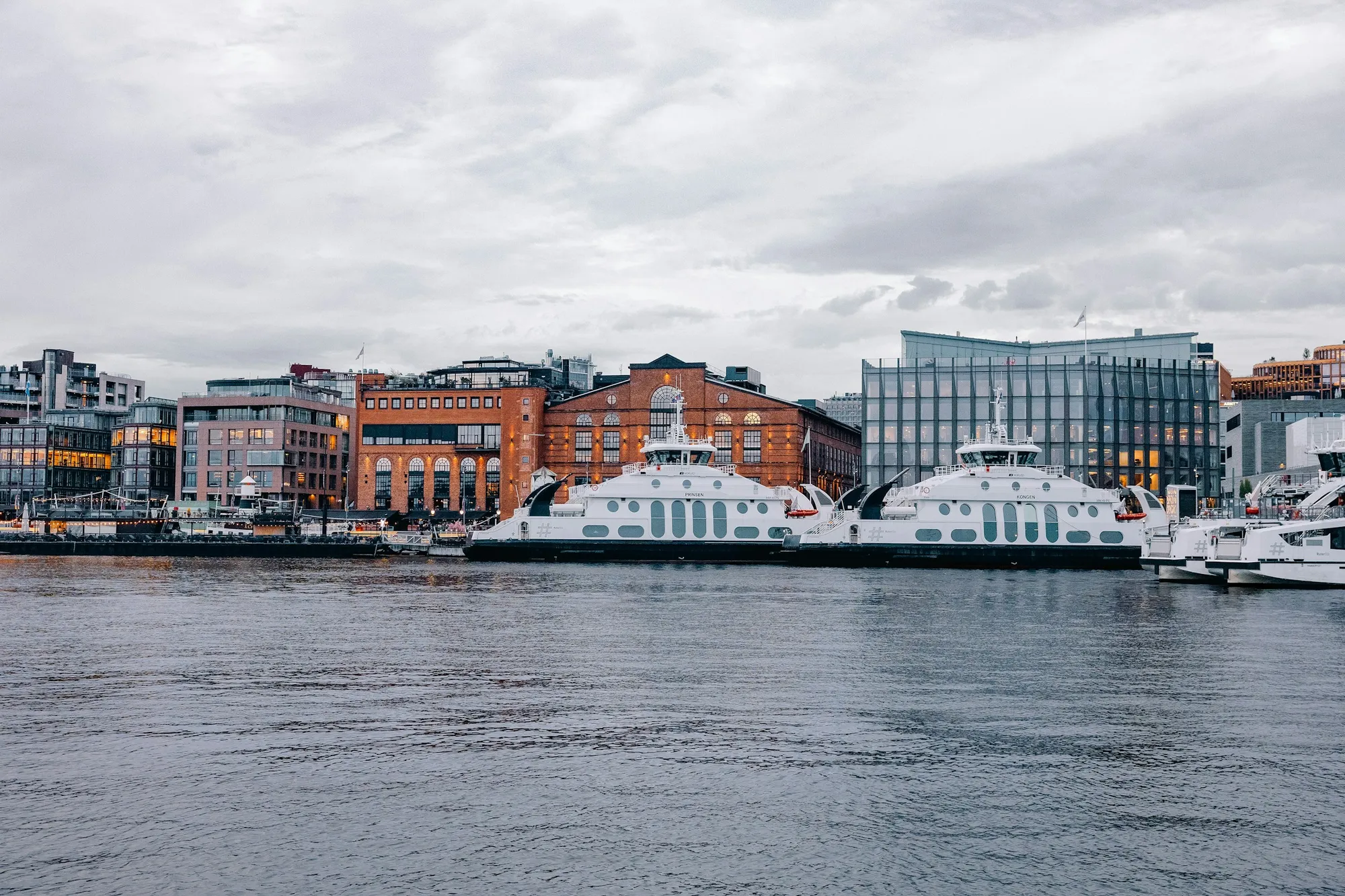
Between Aker Brygge and Nesoddtangen, Norway’s largest car-free ferry route carried 2.8 million journeys in 2019. Its three boats, Kongen, Dronningen and Prinsen, were converted to electric power in 2019 and 2020 by their operator Norled, on behalf of Ruter. At the quay, they recharge their batteries in under ten minutes.
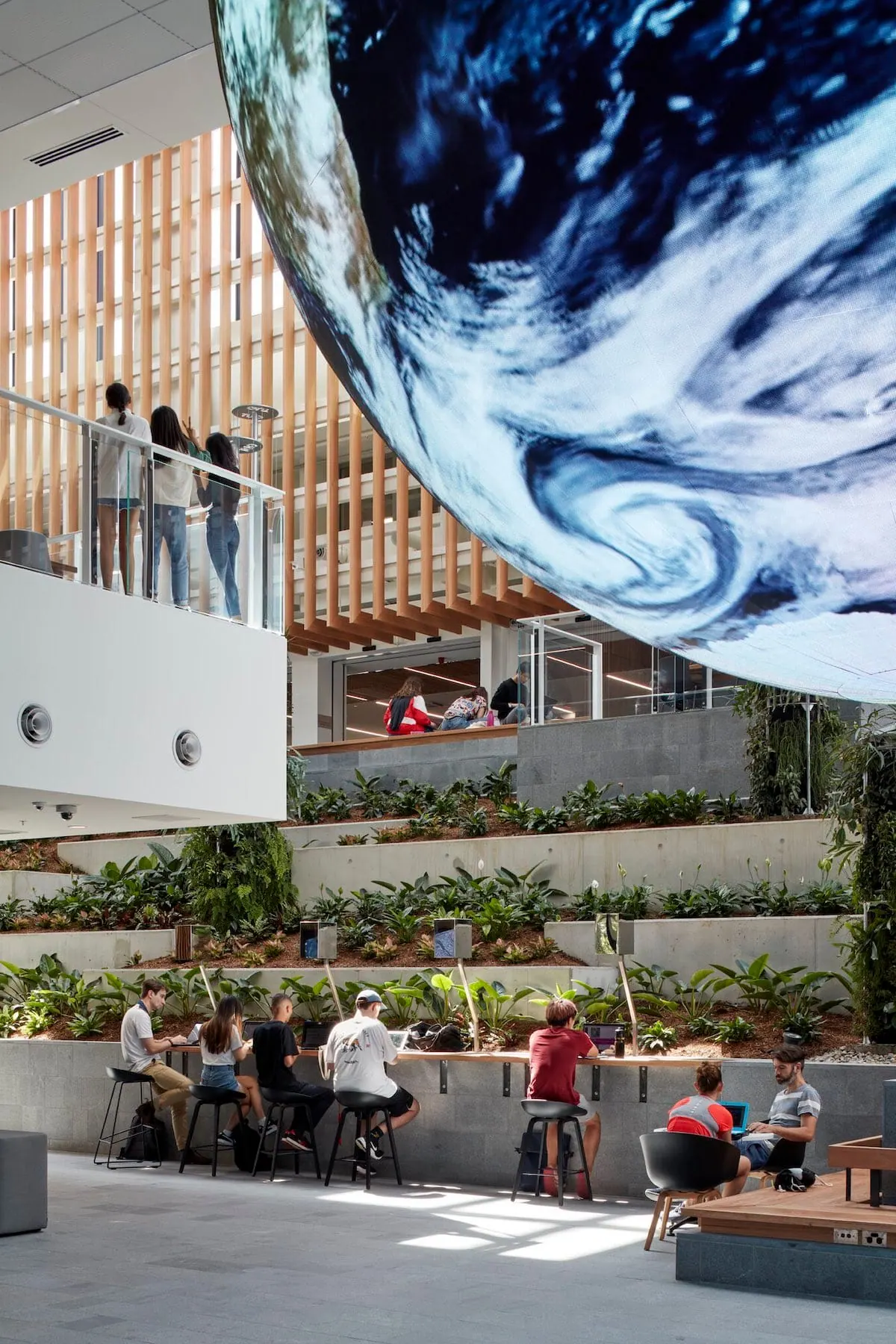
Opened on 18 June 2020 between the central station and the Opera House, Deichman Bjørvika was named IFLA Public Library of the Year in 2021. Its six floors hold 450,000 items, and visitors can also borrow tools and instruments. Its workshop, Folkeverkstedet, offers 3D printers, a laser cutter and sewing machines to anyone. The library rents out its rooms, which host around a hundred conferences and events a year.
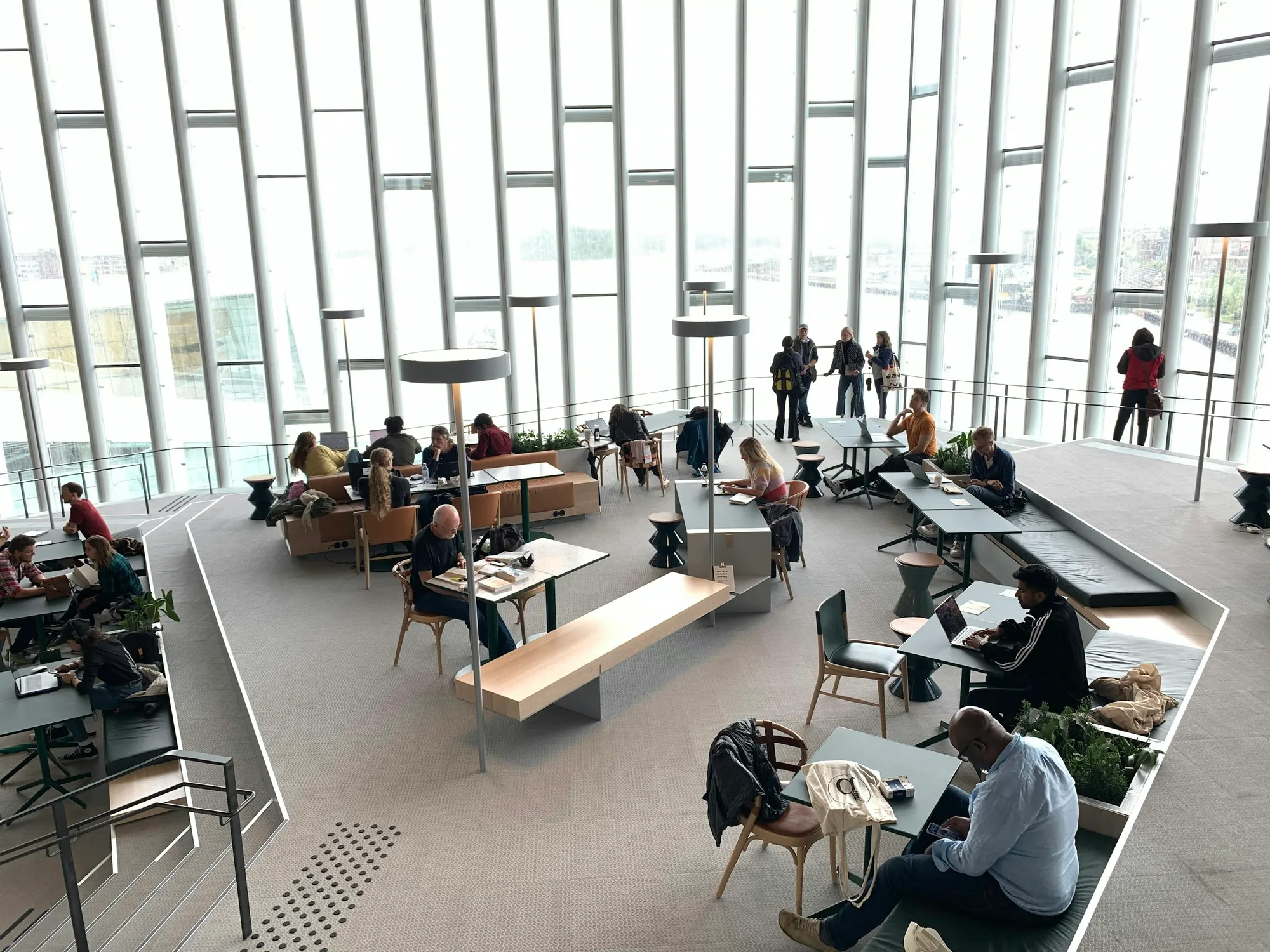
Photo credits : Eirik Skarstein, Atefe Pirzade, Karl Martin Sætren (Unsplash)