This learning expedition is tailor-made for your group: length, encounters and pace.
 Or design it yourself with Agent A\lex →
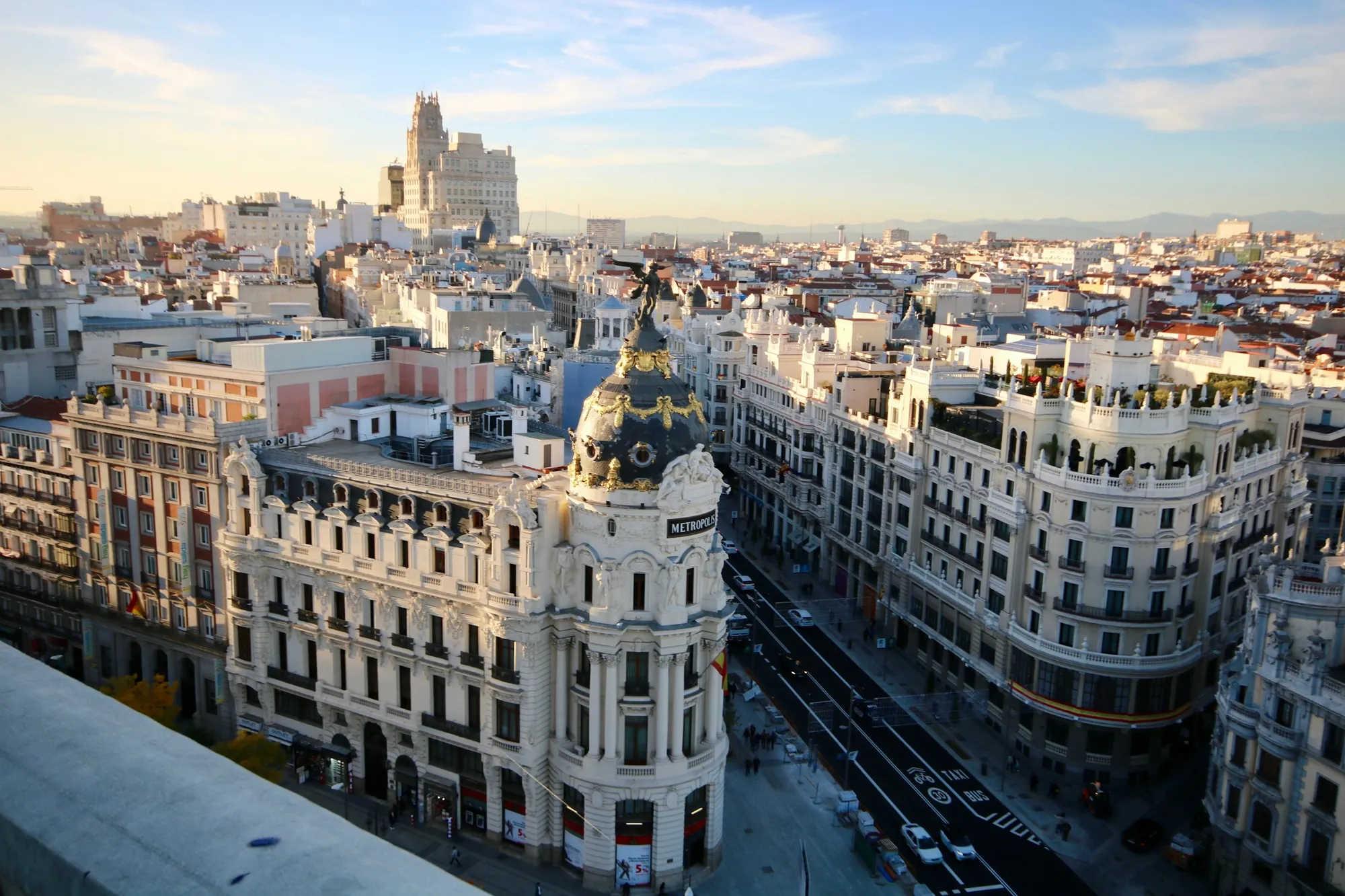
From the 1970s, the M-30 ran along the Manzanares and cut Madrid in two. Between 2003 and 2007 the city buried the motorway, then laid out a 120-hectare park in its place, planted with more than 33,600 trees. In 2016 it opened the river’s weir gates; two years later, more than 50 bird species had been recorded. The old slaughterhouse nearby became an arts centre, restored under one rule: every intervention must be reversible. For a company that has to repurpose a site or rethink its workplaces, Madrid shows what you gain by handing space back to the people who use it.
Designed by architect Ginés Garrido’s team after a competition launched in 2005, Madrid Río runs for 10 kilometres where the M-30 used to be, with 33 pedestrian crossings. Delivered in 2011, the park got its final piece in December 2024, on the site of the old Vicente Calderón stadium. A walk along a river the birds have come back to.
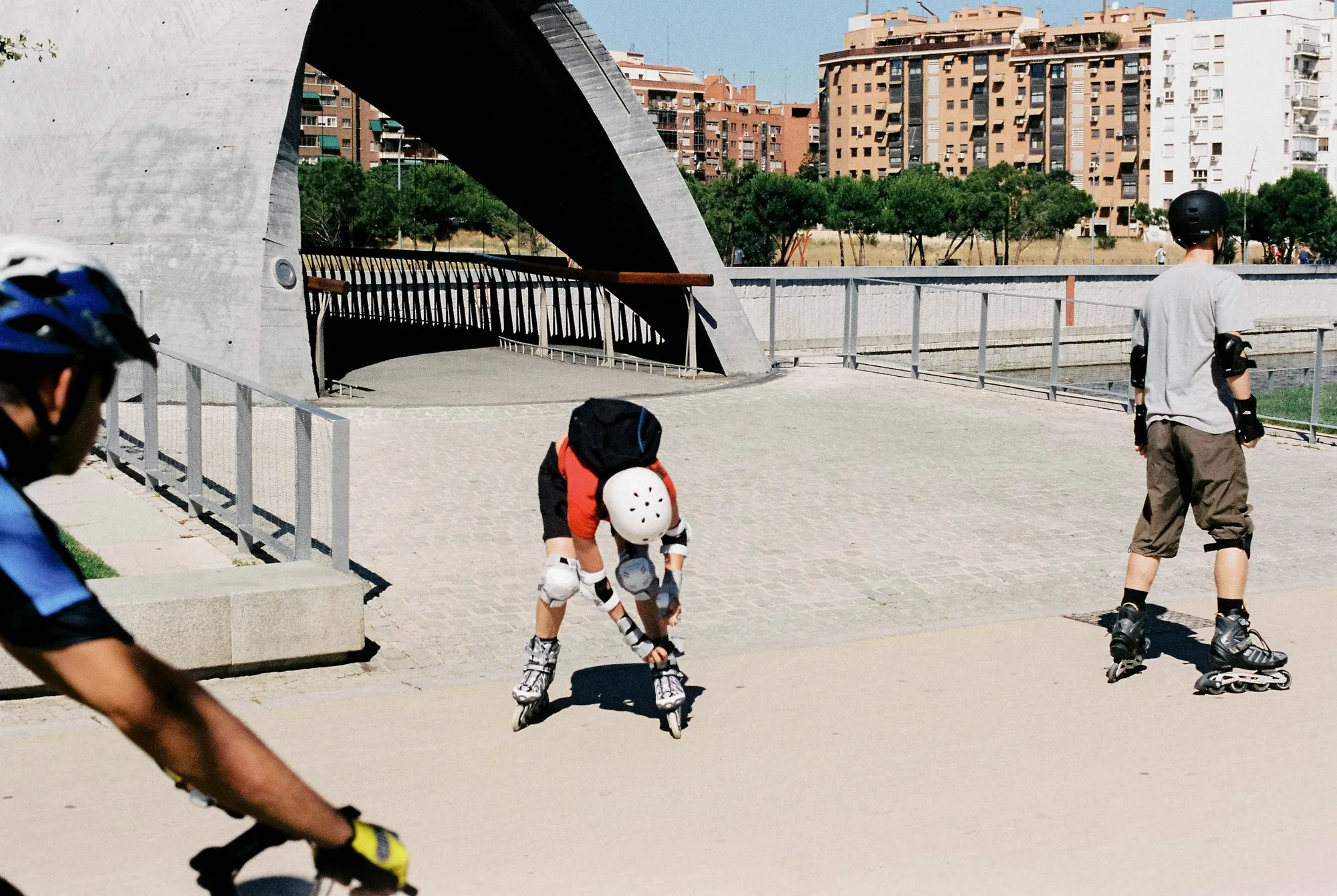
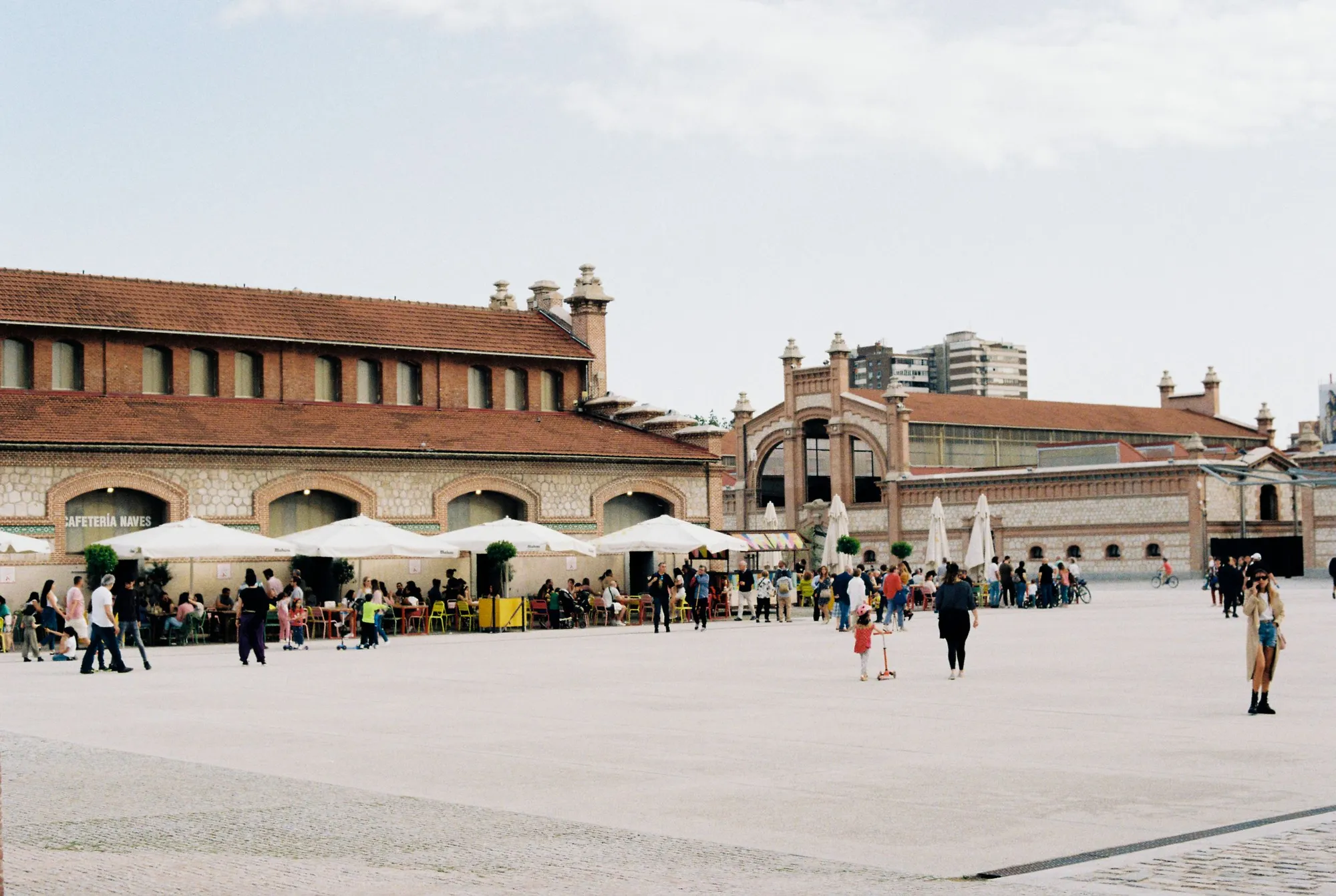
Designed by Luis Bellido, the 48 buildings of the slaughterhouse and livestock market worked until 1995. Since 2006, Matadero Madrid has occupied part of them, with theatre, film, design and artist residencies behind the original façades. Its Medialab brings residents together with artists and scientists. The centre runs guided visits.
Opened in 1944 in Lavapiés, the San Fernando market saw several supermarket projects fail. In 2010 its traders published the real cost of the stall concessions and opened the stalls to local projects: by early 2013, every stall was taken. Today they run the market as equals, through their association.
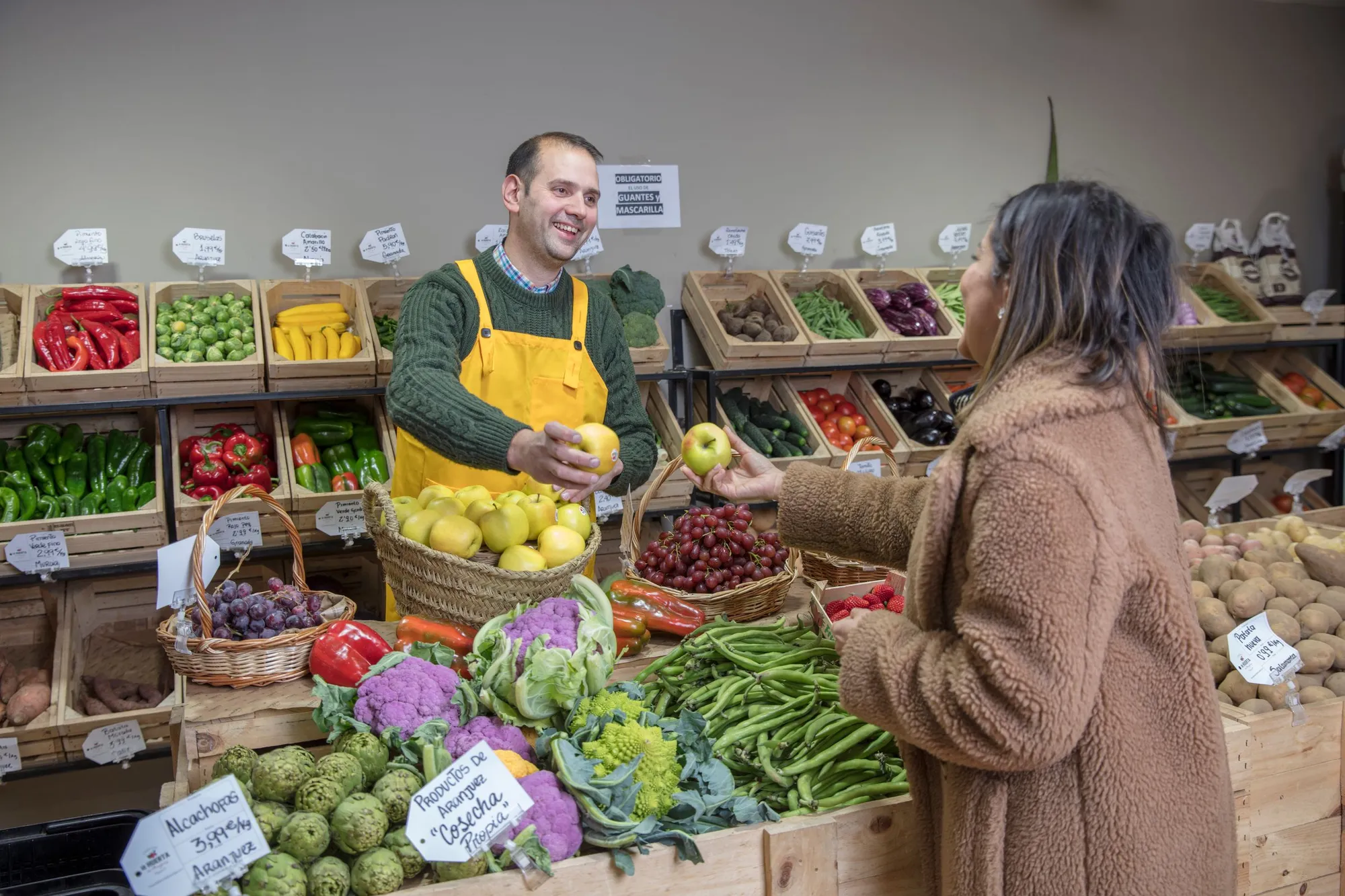
Photo credits : Jorge Fernández Salas, Pelayo Arbués, Alina Skazka, Rossella Fasoli, Maria Vlasenko (Pexels, Unsplash)